Thinking about what happens after we pass on isn’t easy, but it’s important to consider options that respect both loved ones and the planet. Green burial is an approach that skips harsh chemicals and heavy materials, letting nature take care of the remains in a gentle way. If you’ve wondered how this works or if it’s available in Texas, this guide will walk you through everything—from what green burial really means to finding peaceful spots near San Antonio and understanding the laws that make it possible.

Green burial is an eco-friendly alternative to traditional burial that avoids toxic chemicals, metal caskets, and concrete vaults, allowing the body to naturally decompose and return to the earth. In Texas, Countryside Memorial Park near San Antonio offers a serene natural burial setting with biodegradable shrouds and caskets, licensed funeral directors specializing in green burial, and affordable plot options that support environmental sustainability.


What is a Green Burial?

A green burial is more than just an eco-friendly alternative; it’s a return to the fundamental cycle of life and death. Unlike traditional burials that often involve embalming chemicals like formaldehyde and vaults made from concrete or metal—which can hinder natural decomposition—green burials avoid all synthetic materials and processes. The body is placed directly into the earth using biodegradable materials such as cotton shrouds, untreated pine caskets, or woven wicker containers. This allows nature to gently reclaim the remains in the purest way possible, enhancing soil health and fostering new plant life.

At Countryside Memorial Park near San Antonio, Texas, this approach is deeply rooted in respect for the environment and the sacredness of life’s continuous cycle. Our natural green burial plots are carefully maintained to preserve native plants and wildlife habitats, providing an ecological sanctuary where families can find peace amid nature’s embrace. Every detail, from our artisan stone markers crafted without industrial toxins to our licensed green funeral directors guiding families through the process, supports a ceremony that honors both the deceased and the earth.

Choosing a green burial also means embracing sustainability beyond just materials—it reduces carbon emissions by eliminating heavy machinery for vault installations and avoids using non-renewable resources consumed in traditional cemetery upkeep. This method helps combat deforestation, soil contamination, and water pollution commonly associated with conventional burial practices. For those concerned about their environmental footprint even after passing, green burial offers a dignified solution that aligns with those values.

Importantly, green burials uphold affordability without sacrificing dignity or personalization. By skipping costly embalming procedures, metal caskets, and elaborate vaults, families can focus on meaningful tributes—a hand-engraved stone created by local artist Sunny Markham or personalized musical performances during memorial services create heartfelt moments that celebrate life naturally.

“A green burial isn’t just a final resting place; it’s a gesture of stewardship toward future generations.” —Countryside Memorial Park Steward Chrysta Bell Zucht

As interest grows—now with around 70% of Americans considering green burial options—the availability of natural cemeteries like ours provides accessible alternatives for Texans seeking this way to honor their loved ones responsibly and sustainably.

Having grasped what green burial entails and its profound benefits, it makes sense to consider where these peaceful, environmentally conscious resting places can be found throughout Texas. This knowledge will empower you to plan thoughtfully for yourself or your loved ones’ futures.

Green Burial Locations in Texas

Texas offers a handful of notable green burial sites that reflect the state’s vast natural beauty and growing commitment to sustainable end-of-life options. Among these, Countryside Memorial Park stands out near San Antonio in La Vernia. This park exemplifies a green burial haven where native trees and grasses flourish naturally around simple, biodegradable grave markers. Walking through its peaceful grounds, you sense a seamless blend of respect for the departed and care for the earth.

What sets places like Countryside Memorial Park apart is their dedication to preserving the land as a living ecosystem rather than transforming it into a manicured cemetery. Their approach encourages natural decomposition without embalming fluids or concrete vaults, allowing bodies to return fully to the soil and nourish local flora and fauna. This cyclical nourishment honors life’s sacred rhythm: life, death, decay, and rebirth.

Another excellent example is Eloise Woods Community Natural Burial Park near Austin. This cemetery avoids traditional upright monuments entirely, opting instead for discreet markers or sometimes natural features like trees to signify resting places. The result is a serene landscape that feels less like a conventional cemetery and more like a protected piece of wilderness where families can visit and connect with nature while remembering their loved ones.

When choosing among these sites in Texas, consider how each park’s philosophy aligns with your values. Some prioritize strict conservation efforts within their grounds, ensuring every burial supports biodiversity and habitat preservation, while others offer space for families who want intimate ceremonies amidst tranquil natural surroundings.

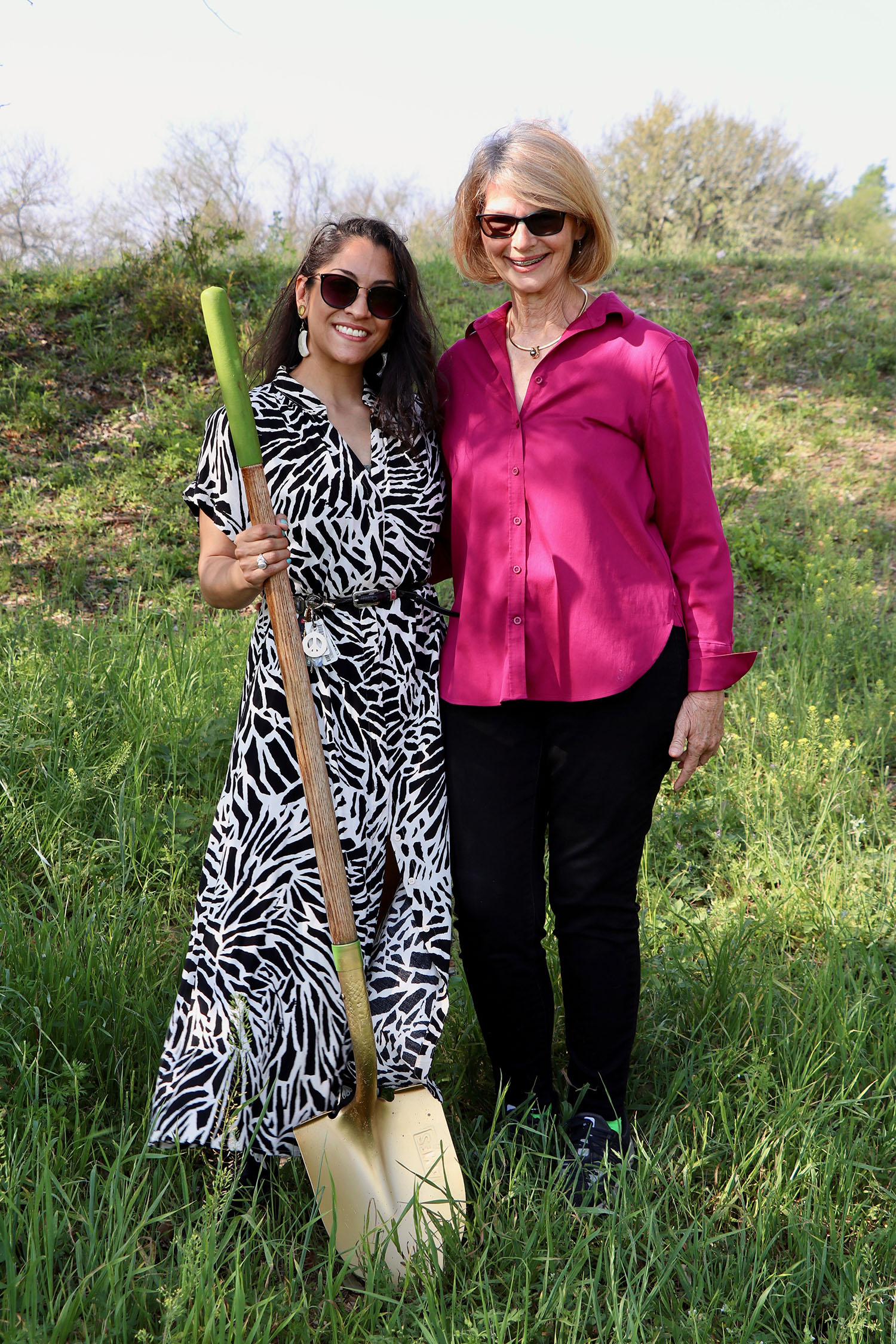
“The moment I stepped into Countryside Memorial Park, I felt an overwhelming sense of peace knowing I’d be contributing to conserving nature,” reflects Chrysta Bell Zucht, steward of the park. Her personal experience highlights how meaningful green burial locations can be—not only as places of rest but as active contributors to environmental sustainability.

These cemeteries typically work closely with licensed, independent funeral directors specializing in natural burials. This collaboration means families can arrange dignified and affordable services without the need for elaborate embalming or vaults. You’ll often find options for biodegradable shrouds or caskets made of woven wicker or untreated pinewood—materials chosen not just for their simplicity but because they promote healthy soil regeneration.

As you explore these peaceful sites in Texas, understanding the legal landscape surrounding eco-friendly burials becomes crucial to ensure everything proceeds smoothly within state guidelines.

Laws and Regulations in Texas

In Texas, the practice of green burial is fully legal, but it doesn’t mean you can just dig a grave anywhere. The state requires that burials happen within approved cemeteries, which includes natural and green burial grounds like Countryside Memorial Park. This restriction ensures burials are carried out safely, respecting public health and land use regulations.

Interestingly, Texas law does not mandate the use of concrete vaults or metal caskets — prohibitions that typically apply to traditional cemeteries aiming to prevent ground subsidence. This lack of requirement aligns perfectly with green burial principles, allowing biodegradable containers or simple shrouds.

However, the body must be interred within 24 hours after death unless refrigeration is used, an important practical consideration for families planning natural burials.

The paperwork often includes signing a natural burial waiver at certified green cemeteries. This document emphasizes adherence to environmental standards such as avoiding embalming fluids, non-biodegradable materials, and heavy metals.

It’s not just bureaucracy; it reflects a commitment to protecting soil health and local ecosystems — foundational ideals in places like Countryside Memorial Park.

These legal frameworks are in place not only to safeguard public health but also to honor the environment by preventing contamination and encouraging sustainable land use.

For families considering a green burial in Texas, understanding these rules can ease concerns and clarify expectations. Compliance helps maintain the integrity of eco-friendly cemetery operations while offering peace of mind about honoring loved ones responsibly.

Consulting with experienced funeral directors familiar with Texas laws and green burial requirements ensures your wishes align with state regulations while preserving the dignity and earth-friendly intent behind natural burial practices.

Knowing how legal structures shape the practice of natural burials sets the stage for appreciating their broader impact on the environment and communities committed to sustainability. Exploring these benefits reveals why many choose this respectful path to rest.

Environmental Benefits of Green Burials


When we consider our final resting place, the impact on the environment often goes unnoticed. Traditional burials involve embalming fluids loaded with formaldehyde and other chemicals—approximately 4.3 million gallons are introduced into U.S. soil every year. These substances, along with hardwood caskets, steel liners, and concrete vaults—which together consume around 20 million board feet of wood and 1.6 million tons of concrete annually—create lasting disruptions in the earth’s natural balance.

Green burials, thankfully, reject these disruptive elements. By forgoing embalming fluids and synthetic barriers, they allow bodies to return directly to the soil, nourishing the earth instead of burdening it.

What makes green burial so transformative is its commitment to letting nature take its course. Instead of sealing the departed within impervious containers, biodegradable materials like pinewood, wicker, or simple burial shrouds embrace decomposition as part of an ecological renewal process.

This natural breakdown replenishes soil nutrients and encourages native plant growth, supporting local ecosystems rather than suffocating them. The absence of concrete vaults also means water flow through the ground remains uninterrupted, helping maintain healthy groundwater systems.

Moreover, green burial practices actively promote biodiversity. The preserved natural landscapes of parks like Countryside Memorial Park in Texas serve as safe habitats for native plants and wildlife.

This creates living memorials that foster environmental stewardship and connect families to ongoing cycles of life and rebirth. Unlike manicured cemeteries lined with non-native grass and ornamental stonework, green burial grounds function more like nature preserves—spaces where human memory intertwines with lush greenery and thriving ecosystems.

  • No toxic embalming fluids: Stops chemical leaching.
  • Biodegradable containers: Support soil enrichment.
  • Preservation of native flora: Encourages local biodiversity.
  • Avoidance of concrete vaults: Maintains natural water permeability.
  • Reduced carbon footprint: Lower resource consumption during burial.

Studies have shown that traditional cemeteries can release hundreds of pounds of CO₂ equivalent per burial due to material production and maintenance activities such as lawn mowing and irrigation.

In contrast, green burial sites minimize fossil fuel use by eliminating synthetic casket manufacturing and heavy landscaping.

Understanding these clear environmental advantages helps guide families toward choices that align ethically and practically with their values. As awareness grows, the next vital step is learning how to select the right eco-friendly service that honors both personal wishes and the planet’s well-being.

How to Choose a Green Burial

Selecting a green burial option involves evaluating several key aspects that will shape not only the final resting place but also how meaningful and sustainable the experience is for your family and the environment. The first step is to research available options thoughtfully. Resources like the Green Burial Council provide listings of certified natural burial grounds, giving you a reliable starting point for identifying cemeteries that meet ecological and ethical standards. However, numbers and certifications alone don’t tell the whole story.

Once you have a list of potential sites, visiting them in person is invaluable. Walking through the land, observing how nature is preserved, and sensing the overall atmosphere can reveal much about the cemetery’s commitment to green principles. Some natural burial parks maintain native vegetation, wildflowers, or trees that reflect local ecosystems, enhancing both environmental health and the beauty of the site. Taking time during these visits helps clarify what setting aligns best with your values.

Next comes direct communication with those who know the ins and outs of green burial services: cemetery staff and funeral directors specialized in these practices. Prepare to ask pointed questions about regulations they follow, types of biodegradable containers permitted, choices available for grave markers (such as handcrafted natural stone markers), and how they support families through personalized ceremonies, including music or other tributes. Their expertise ensures transparency about the process and helps tailor arrangements to fit your wishes while maintaining ecological integrity.

Understanding costs should never be an afterthought. Transparency in pricing prevents surprises and allows you to budget appropriately. Green burial generally offers cost savings compared to traditional burials because it eliminates embalming chemicals, vaults, and costly caskets. Yet plot fees at eco-friendly cemeteries can vary widely depending on location and amenities like seating areas or conservation funds.

At places like Countryside Memorial Park near San Antonio, Texas, plot prices range from affordable rural rates up to +$1,400 for premium locations with artisan grave markers and memorial trees planted on-site.

“At Countryside Memorial Park, we encourage prospective clients to schedule guided tours so they can make informed decisions based on seeing the land firsthand and fully understanding all service details,” notes Chrysta Bell Zucht, steward of the park.

One vital aspect often overlooked is matching your selection with long-term stewardship of the land. Does the cemetery actively preserve native flora? Are they committed to minimizing environmental impact? These questions ensure your loved one’s resting place contributes positively to local habitats rather than detracts from them.

Having considered these practical and ecological factors, it makes sense to explore how financial considerations compare between eco-friendly choices and more traditional burial methods.

Comparing Costs: Green vs. Traditional Burials


One of the most tangible benefits that draws many toward green burials is their notable cost-effectiveness. When you compare the expenses side by side, the differences become clear in every major category related to burial services. Typically, green burials at places like Countryside Memorial Park start with plot fees ranging from $300 to $1,400—this contrasts sharply with traditional cemetery plots which often range between $2,000 and $5,000, depending on location and amenities.

What accounts for this disparity? Green burial grounds prioritize natural settings and minimal infrastructure, which inherently reduces land preparation costs. Without the need for concrete vaults or granite monuments mandated by many traditional cemeteries, the savings extend beyond just plot prices. Additionally, interment fees for green burials generally fall between $300 and $600, while traditional burials may require $1,000 to $2,500 for grave opening and closing services. This lower pricing reflects the simpler protocols and less mechanical intervention in eco-friendly burials.

Burial receptacles also tell an interesting story. Green burial options use biodegradable materials like cardboard, wicker, or pinewood caskets—much more affordable choices between $50 and $1,500 compared to traditional hardwood or metal caskets which can easily climb from $2,000 up to $10,000. These environmentally conscious materials not only break down naturally but also offer families flexible price points suited to their budget.

Funeral director services are another significant expense where green funerals offer a more modest range—from $2,000 up to around $4,000. These services tend to focus on supporting natural burial preferences without the elaborate ceremonies or embalming processes typical in conventional funerals, which can inflate costs well beyond this range.

For clarity’s sake:

Expense Type Green Burial Range Traditional Burial Range
Plot Fees $300 – $1,400 $2,000 – $5,000
Interment Fees $300 – $600 $1,000 – $2,500
Burial Receptacle $50 – $1,500 $2,000 – $10,000
Funeral Director Costs $2,000 – $4,000 $4,000 – $10,000

Altogether, green burials typically total between $1,500 and $4,000, substantially less than the U.S. national average of $7,848 for traditional burials. These savings make green burial not only an environmentally responsible choice but also an accessible one financially.

Therefore, if your goal is both to lessen your environmental impact and reduce financial strain on your family during difficult times, choosing a green burial might be the ideal choice.

To explore affordable and dignified natural burial options in Texas—and learn how Countryside Memorial Park supports families seeking sustainable farewells—please visit us anytime at https://countrysidememorialpark.com. Our team is ready to help you plan thoughtfully with care and respect.

Green burial offers a meaningful way to honor life while embracing simplicity and sustainability. With transparent costs and respectful practices at heart, it stands as a compelling choice for those considering their final arrangements.