
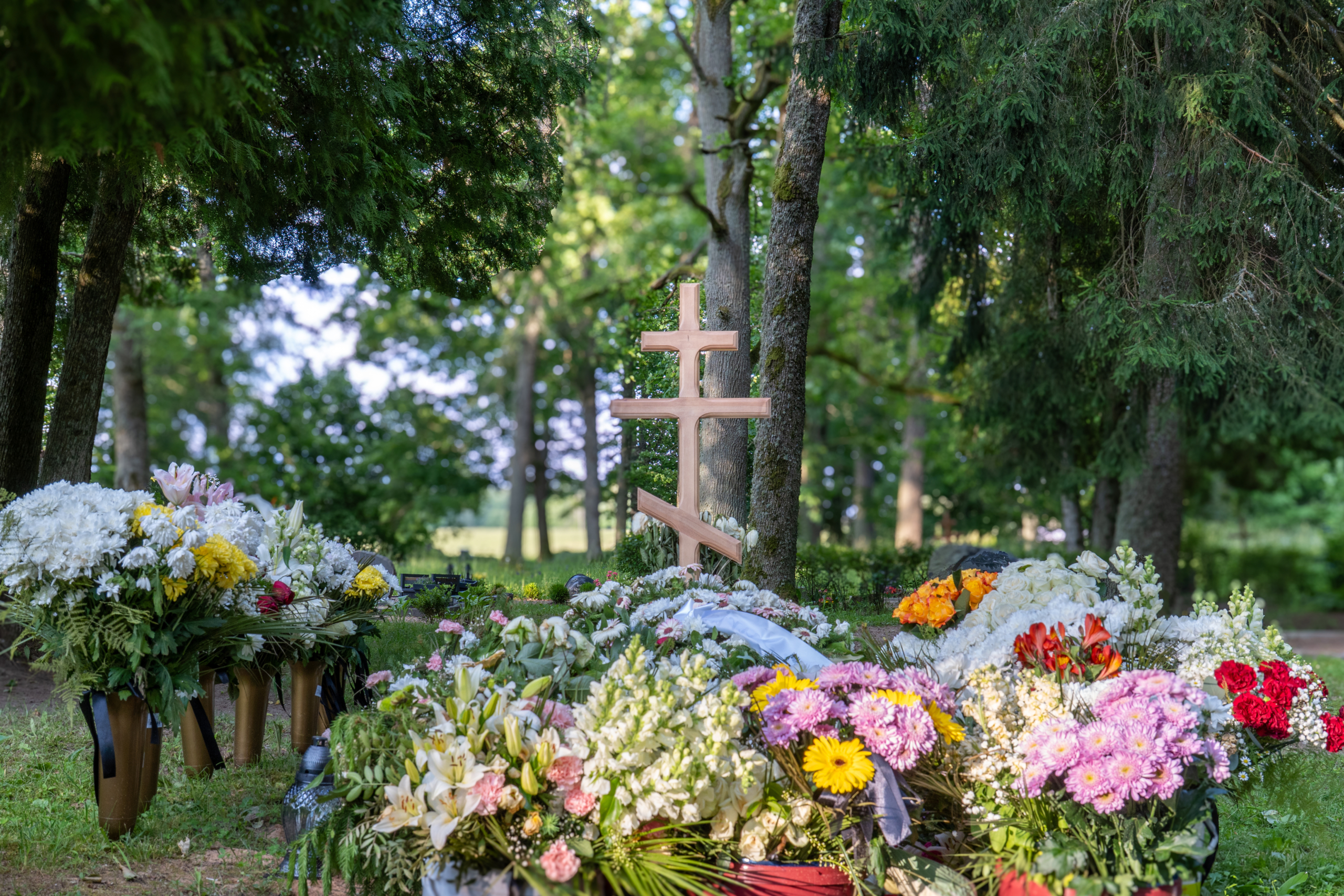
Thinking about what happens after we die might feel uncomfortable, but it’s become clear that how we say goodbye can make a big difference for the planet. Traditional burial methods often rely on chemicals and materials that don’t break down easily, leaving a lasting impact on the earth. Green burial services offer a different path—one that lets nature do its work gently and naturally, without harmful toxins or heavy metals. This approach not only helps the environment but also creates peaceful, simple ways to remember loved ones. Let’s explore how these eco-friendly choices work and why they might be worth considering.
Green burial services are environmentally conscious interment options that allow the body to naturally decompose without the use of toxic embalming fluids, metal caskets, or concrete vaults, promoting ecological sustainability. Countryside Memorial Park near San Antonio, Texas, offers natural green burial plots, burial shrouds, and artisan stone grave markers in a serene, environmentally respectful setting, connecting families with licensed funeral directors specializing in green burials to ensure a dignified and eco-friendly farewell.
Why Consider Green Burial Services?
Choosing a green burial offers a meaningful way to honor both the person who has passed and the environment they cherished. Unlike conventional burials, which often involve embalming fluids laden with formaldehyde and non-biodegradable caskets that can linger underground for decades, green burials embrace simplicity and biodegradability. This approach allows the body to naturally return to the earth, nourishing new life in a way that feels respectful and hopeful.
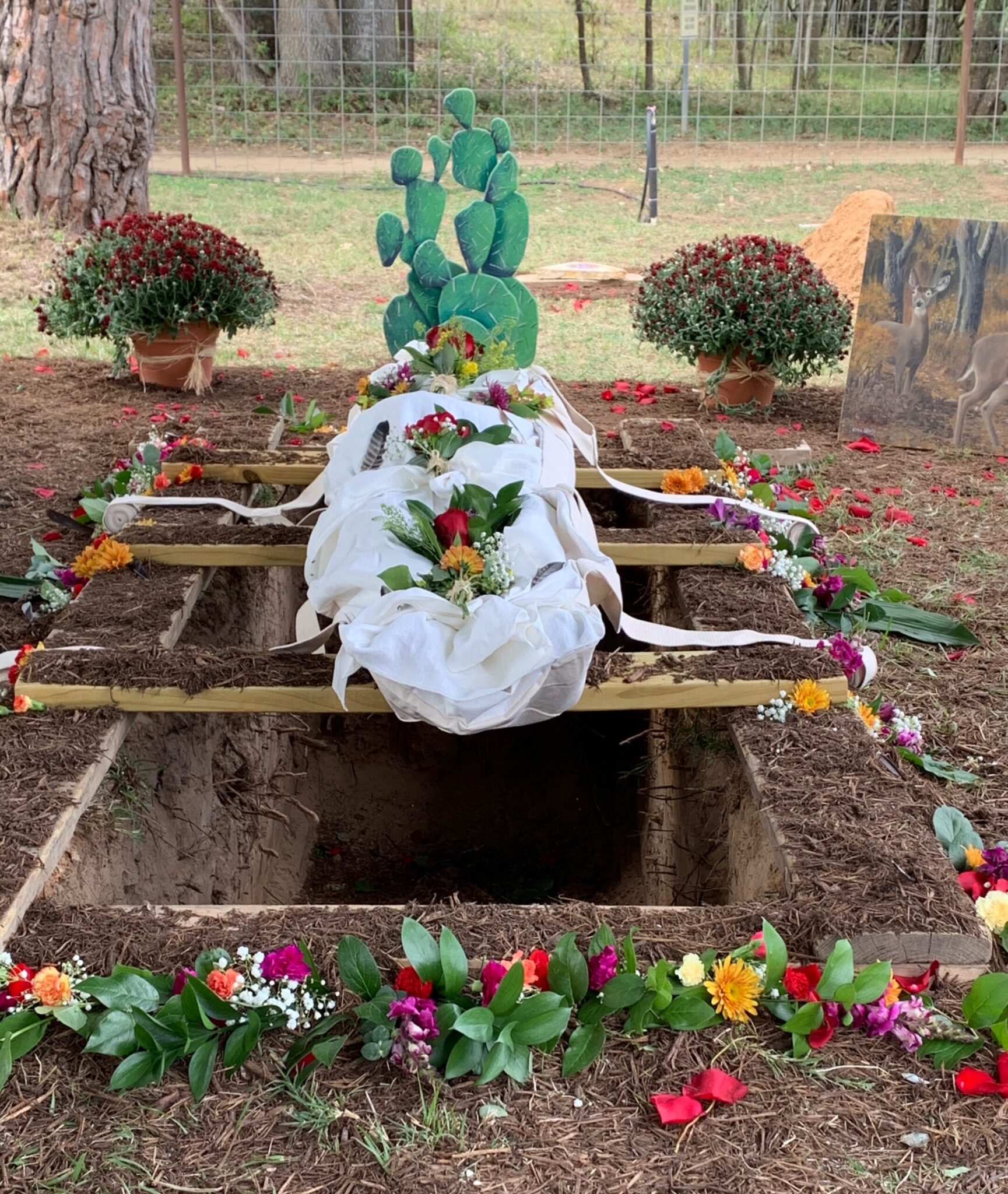
Many people don’t realize how much environmental strain traditional burial practices cause. The sheer volume of materials used—such as hardwoods, concrete vaults, and steel liners—represents not only natural resource depletion but also contributes significantly to carbon emissions during production and transport. By contrast, green burials minimize these impacts by using natural materials like untreated wood, wicker, or even burial shrouds made from organic fabrics, avoiding toxic chemicals entirely.
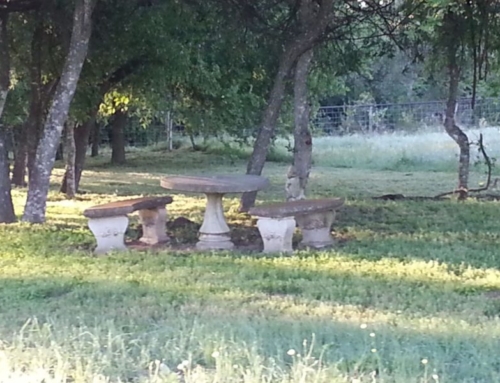
Beyond environmental benefits, green burial services foster a profound sense of connection to the cycles of life and death. At places like Countryside Memorial Park near San Antonio, Texas, families find a tranquil setting where natural beauty is preserved rather than disrupted. Here, the focus shifts away from grand monuments toward gently landscaped grounds where native flora thrives and wildlife can flourish undisturbed—a peaceful tribute that aligns with ecological stewardship.
This practice also offers practical advantages. The simpler requirements for burial plots mean lower costs for families seeking dignified yet affordable options. Without vaults or elaborate caskets required, expenses decrease significantly while still providing a deeply respectful environment for remembrance. In addition, early planning and consultation with specialists at natural burial parks ensure clear understanding and ease throughout an emotionally challenging time.
As Chrysta Bell Zucht, Steward of Countryside Memorial Park, reflects: “Green burial feels like coming full circle—returning to earth in the purest way possible while honoring our loved ones with peace and dignity.”
For those exploring their options, it’s helpful to learn about local natural burial providers before need arises. Visiting sites like Countryside Memorial Park ahead of time gives families space to ask questions about regulations, plot choices, marker styles (including artisan hand-engraved stones), and ceremony personalization including live musical tributes offered by Sunny Markham Music.
Understanding how these sustainable services respect both legacy and land naturally leads to exploring a range of options available for eco-conscious families committed to honoring life through green practices.
Natural Cemetery Options
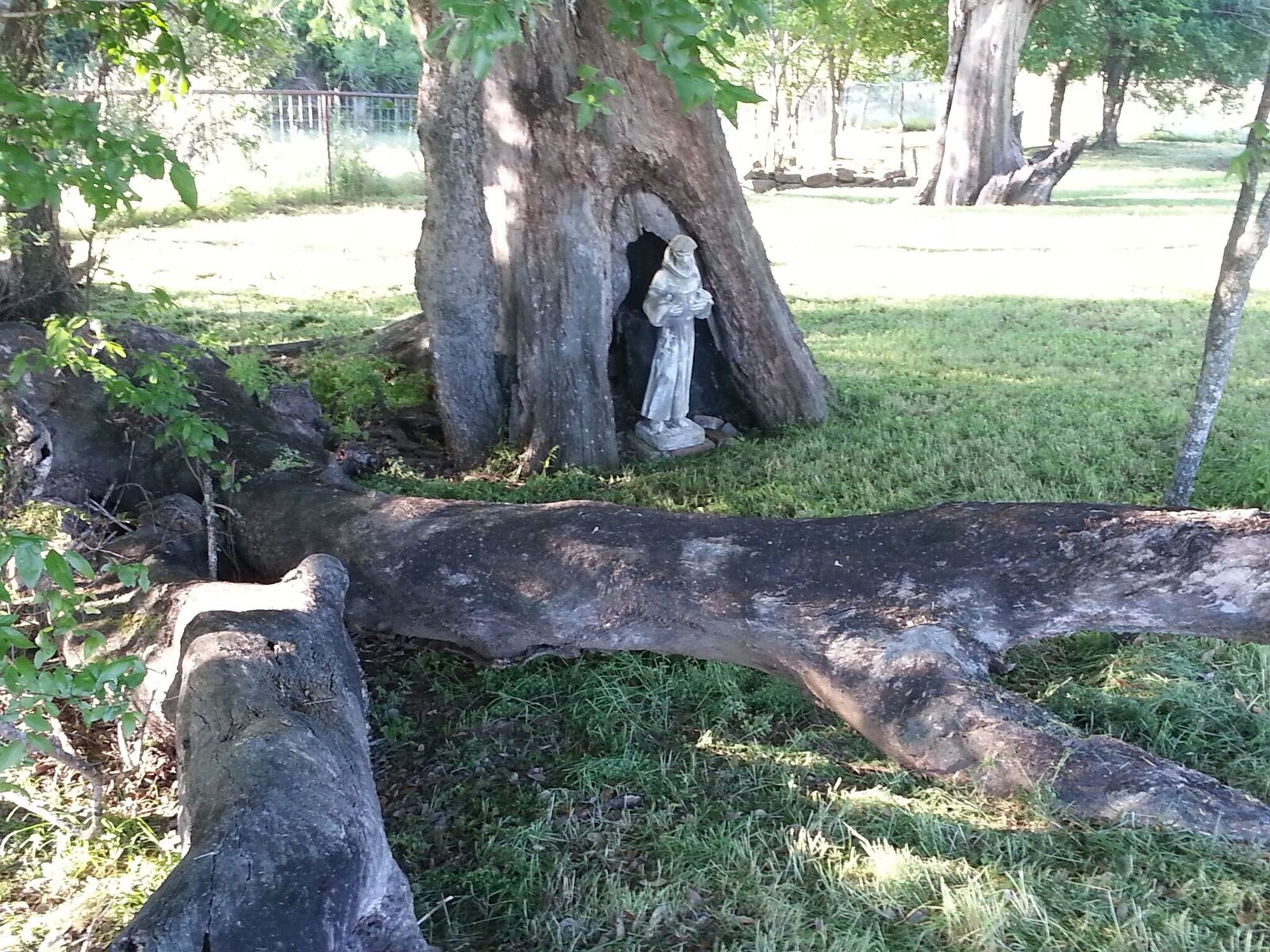
Natural cemeteries, sometimes called conservation or green cemeteries, represent a shift away from traditional burial grounds. Instead of rows of polished headstones and manicured lawns, these spaces resemble nature preserves where the land remains as untouched as possible. At places like Countryside Memorial Park near San Antonio, Texas, the landscape is intentionally preserved to support native plants and wildlife. This approach not only honors those interred there but also respects the ecosystem, promoting biodiversity and soil health.
What sets these cemeteries apart is their strict guidelines: no embalming fluids, no metal caskets, no concrete vaults. Instead, they encourage biodegradable materials that allow the body to return naturally to the earth. The absence of harsh chemicals and impermeable containers reduces environmental impact significantly—a vital consideration for those who want their final resting place to align with eco-conscious values.
The experience of walking through a natural cemetery often feels different from conventional ones. There’s a quiet beauty in seeing wildflowers bloom where a loved one rests or hearing birdsong instead of lawnmowers. Communities built around such spaces value this balance and often host events that celebrate life and reconnect people with nature’s cycles.
| Cemetery Name | Location | Unique Feature |
|---|---|---|
| Countryside Memorial Park | La Vernia, TX | Native flora and community gatherings |
| Foxfield Preserve | Ohio | Restored prairie habitat |
| Greensprings Natural Cemetery | New York | Focus on long-term land sustainability |
When considering a natural cemetery, it’s helpful to visit the grounds beforehand. Take note of how the environment feels—does it foster peace? Does it maintain its ecological integrity? Asking questions about local flora, maintenance practices, and burial policies can ensure you select a place that truly supports green burial principles.
As awareness grows about preserving the environment even after death, choosing the right type of burial container plays an integral part in supporting these sustainable practices.
Biodegradable Burial Containers
Biodegradable burial containers are designed to break down naturally in the soil, aligning perfectly with the philosophy of green burials—allowing the body to return to the earth without introducing harmful chemicals or plastics. This approach protects the environment by preventing toxic residues from entering the ground and water systems. The key is selecting materials that decompose efficiently while providing a respectful vessel for your loved one.
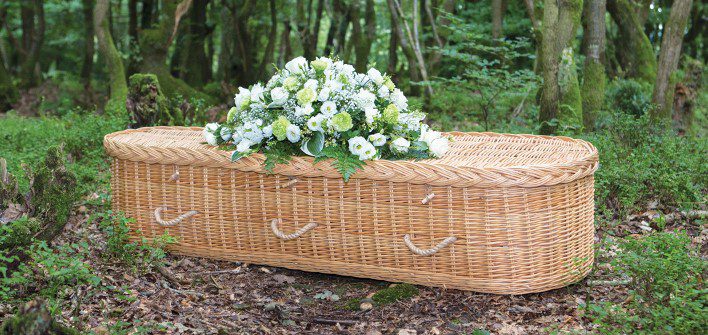
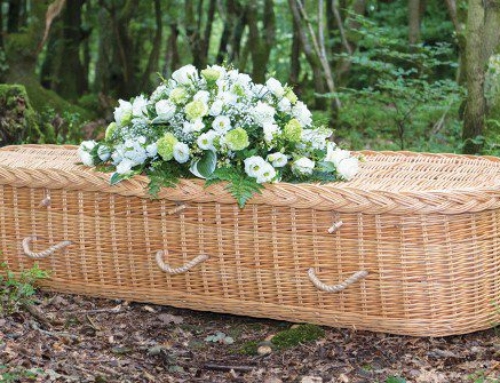
Common biodegradable materials include cardboard, wicker, bamboo, and pine. Each carries its own character and practicality, catering to various cultural traditions, personal preferences, and budgets. Choosing between them involves considering factors such as sturdiness, appearance, and environmental impact.
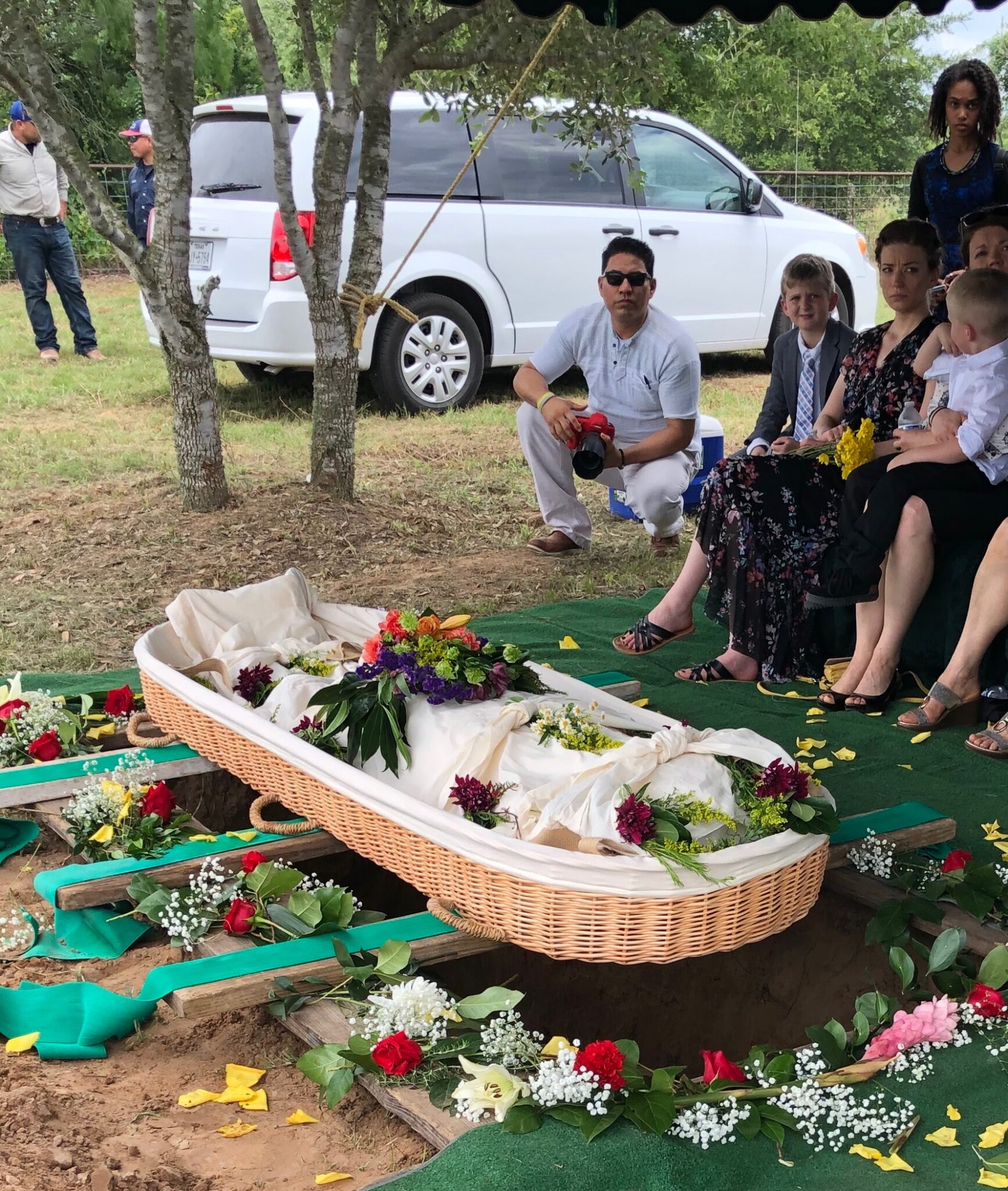
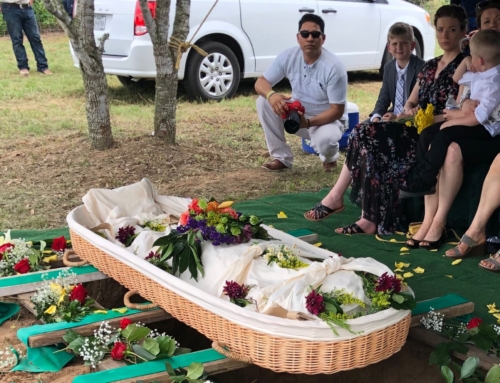
Wicker baskets, for example, have gained popularity because they balance strength with elegance. Their woven structure allows air and moisture to circulate naturally around the deceased, accelerating decomposition while maintaining dignity and visual appeal during services. On the other hand, pinewood boxes bring a traditional touch with their classic rectangular form. These are typically simpler in design and tend to be more affordable, making them accessible for many families who want a natural yet straightforward option.
Cardboard containers have also become a favored choice for their light weight and ease of transportation. They can be decorated or personalized easily and generally use minimal resources in manufacturing, supporting sustainability goals. Bamboo offers a durable alternative that grows quickly in nature and breaks down cleanly in the soil over time.
Selecting the right biodegradable container isn’t just about environmental benefits—it also honors cultural or familial customs surrounding death and memorials. What feels most authentic varies widely among families; some may value simplicity above all else, while others seek something more handcrafted or symbolic.
“Choosing a container is not only about what returns to earth but how we celebrate lives lived — every material has a story that connects past with future.”
Understanding these biodegradable container options prepares you to navigate the natural burial journey thoughtfully and respectfully. Next, we explore the practical steps involved from beginning to end in this meaningful process.
Steps in the Green Burial Process
Green burial follows a clear, intentional path designed to honor both the deceased and the environment without introducing harmful chemicals or materials. The first crucial step is preparation. Unlike conventional burials, green burial avoids embalming altogether. Instead, the body is preserved using natural methods—most commonly refrigeration—which slows decay without masking the natural returning of the body to the earth. This approach maintains the integrity of a truly natural decomposition process, honoring the sacred cycle of life and death.
Once preparation is complete, families are encouraged to visit and select a burial site that feels right to them. At places like Countryside Memorial Park near San Antonio, Texas, this means choosing from serene plots surrounded by native greenery rather than traditional manicured lawns and concrete vaults. Visiting these sites beforehand offers families not only peace but an intimate connection with where their loved one will rest. Steward Chrysta Bell Zucht often stresses how essential this connection is: “Visiting helps families feel comfortable with their choice,” she explains, emphasizing that knowing the land firsthand transforms uncertainty into comfort.
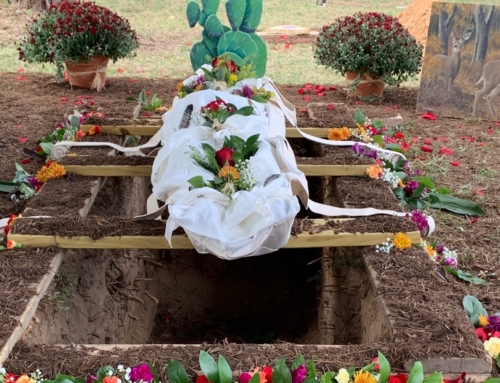
Next comes choosing the burial container. In green burials, this step honors simplicity and biodegradability. Families may opt for natural fiber shrouds or biodegradable caskets made from materials like willow, cardboard, or untreated wood. These containers allow nature to reclaim the remains rapidly, facilitating a gentler return to the soil. The choice often depends on personal preference, budget, and cultural traditions—but what unites these options is their shared commitment to sustainability and environmental harmony.
Then we arrive at the burial service itself, which tends to be more intimate and participatory than typical funerals. Many families at Countryside Memorial Park appreciate the opportunity to be actively involved in laying their loved one to rest—whether by placing flowers on the grave or helping gently lower the body into the earth. These moments provide profound closure and resonate deeply with those who wish for a more personal farewell rooted in nature’s rhythms.
“The involvement gives families something tangible – a ritual that connects them directly with their loved one’s final journey,” says Sunny Markham, Vice President of Family Services.
Every stage of the green burial process reinforces values of transparency, respect, and ecological mindfulness. From preparation through ceremony, there’s no glossing over reality—only an embrace of it. That honesty can transform grief into healing by grounding loss in life’s ongoing cycle rather than sterile separation.
Having explored how green burials honor both individuals and nature through each thoughtful step, attention now shifts toward options for caring for cremated remains in ways that also respect ecological values.
Alternatives for Ash Management
Managing cremated remains in a way that respects both the memory of the departed and the environment is an integral part of sustainable, green burial practices. Traditional urns—usually made from materials like metal or ceramic—may feel too permanent or disconnected from nature’s cycle to some families seeking a greener option.
Fortunately, innovation and thoughtful design offer choices that seamlessly integrate memorialization with ecological consciousness.
One compelling alternative lies in bio-urns, which are biodegradable containers crafted to support new life, usually by incorporating tree seeds within their structure. When planted in soil, these urns dissolve naturally, allowing the ashes to nourish a growing sapling above ground.
This transformation—a return to the earth resulting in fresh growth—beautifully illustrates the sacred cycle of life, death, and rebirth central to natural burial philosophy. The process offers comfort to those who want to see the legacy of their loved one live on in a tangible, living memorial.
Beyond individual plantings, memorial gardens provide spaces dedicated to scattering ashes in serene environments specially designed for reflection and remembrance. These gardens often contain native plants and trees that thrive without intensive resource use, creating habitats that benefit local wildlife as well as providing beauty for visitors.
Scattering ashes here becomes a shared experience with nature, linking personal loss to broader environmental renewal.
(See how thoughtful planning turns spaces into places filled with life and memories.)
Ocean Scattering
Another meaningful practice embraced within eco-conscious circles is scattering ashes at sea using biodegradable urns. These urns dissolve quickly in saltwater, releasing ashes gently back into their natural aquatic environment without introducing pollutants or foreign materials harmful to marine ecosystems. Whether performed ceremonially from shorelines, boats, or ships, this method honors both the deceased and ocean life alike.
Think of ocean scattering as returning water itself—because that’s what it ultimately embodies: a seamless reunion with nature’s elemental forces.
It’s important when considering ocean scattering that families select urns certified for biodegradability and consult regulations governing ash dispersal in specific bodies of water. Proper respect for ecosystems ensures this tribute is not just symbolic but responsibly executed.
These diverse options demonstrate how natural burial services continue evolving to accommodate both heartfelt remembrance and environmental responsibility. The choices you make can reflect your personal values while contributing positively to the planet’s health.
For those near San Antonio or LaVernia, Texas seeking such sustainable options, Countryside Memorial Park provides compassionate guidance connecting families with licensed independent funeral directors experienced in natural burial methods—including assistance with selecting eco-friendly ash management solutions.
Contact them at (512) 203-9739 or via countrysidememorialpark@gmail.com to discuss personalized plans that honor your loved one while preserving our planet’s future.
As we explore ways to intertwine respect for the departed with sustainability, it becomes clear how every choice—from burial type to memorial rituals—shapes a meaningful journey forward toward more conscious end-of-life decisions. Up next, the focus shifts towards deliberate selections within funeral planning that align closely with eco-conscious values.
Sustainable Funeral Choices
Sustainable funerals go far beyond choosing a green burial plot—they invite us to rethink the entire process surrounding death in ways that honor both the deceased and the planet. From the moment arrangements begin, decisions about transportation, memorial items, and even attire can all align with eco-friendly values.
For instance, arranging carpools or shuttle buses reduces carbon footprints associated with family and friends gathering for the farewell ceremony. Similarly, favoring locally grown organic flowers over synthetic or imported ones not only supports sustainable agriculture but also minimizes environmental strain.
Just as hosting an earth-conscious event demands attention to waste reduction, energy use, and sourcing materials responsibly, sustainable funerals require a mindful orchestration of many moving parts. It’s about harmonizing respect for tradition with modern commitments to ecological stewardship.
When you think about it, these choices ripple beyond a single day—they set a tone for honoring life through death that future generations can appreciate.
Imagine planning a wedding or celebration entirely focused on sustainability: every RSVP car trip swapped for shared rides, decorations made from biodegradable materials, meals sourced from organic local farms. Conceptually, sustainable funerals engage the same thoughtful planning.
What might seem like small adjustments—a bamboo casket instead of hardwood, biodegradable urns for cremains scattering on sacred land—add up to a meaningful impact on environmental preservation.
For families considering natural burial services like those offered at Countryside Memorial Park near San Antonio, Texas, embracing sustainable funeral choices means consulting professionals who understand eco-friendly options thoroughly.
They can advise on everything from selecting burial shrouds made without harmful chemicals to arranging ceremonies that incorporate live acoustic music or poetry readings rather than energy-intensive digital displays. These personalized touches create experiences that feel intimate and genuine while keeping ecological footprints light.
Moreover, integrating these practices supports the larger movement toward returning to a more natural cycle—where death nourishes new life without artificial barriers. Sustainability in funerals becomes more than logistics; it reflects a deep philosophical commitment to the interconnectedness of humans and the earth beneath our feet.
This holistic approach to honoring departed loved ones leads naturally into exploring the specific benefits of adopting eco-conscious methods in burial practices and memorial services. How these choices translate into lasting advantages is where practical considerations meet profound respect for nature.
Advantages of Eco-Friendly Burials
Eco-friendly burials offer more than just a greener way to say goodbye—they create a lasting, positive impact on both families and the natural world. One of the greatest advantages lies in their environmental responsibility.
Unlike conventional burials that often involve embalming fluids containing formaldehyde and heavy metals, green burials intentionally avoid these toxic chemicals. This simple but crucial choice prevents soil contamination and protects groundwater, making a measurable difference in preserving delicate ecosystems.
At places like Countryside Memorial Park near San Antonio, Texas, where natural burial is practiced with care, the goal is to allow bodies to return to the earth gently and naturally. This process honors life’s cycle and supports the rebirth of native plant life, maintaining the land’s vitality for future generations.
Beyond reducing pollution, eco-friendly burials conserve precious resources. Traditional funerals are resource-intensive—steel or hardwood caskets require mining and deforestation, concrete vaults use large amounts of cement, and elaborate monument installations disturb the landscape.
In contrast, green burials use biodegradable materials such as untreated wood or simple shrouds without vaults, allowing decomposition to proceed naturally. This approach sidesteps not only material waste but also energy consumption tied to manufacturing and transporting heavy burial goods.
The result is a significantly smaller ecological footprint compared to more conventional options.
But the appeal of green burial is not solely environmental—it deeply touches personal values and emotional well-being as well.
Families choosing an eco-friendly burial often express a profound sense of personal fulfillment in aligning their last act with beliefs about stewardship and respect for the planet.
One family shared with Countryside Memorial Park how they found peace in knowing their loved one’s remains would nourish the earth rather than sit entombed within synthetic chemicals or non-biodegradable containers.
The act becomes a conscious statement—a final gift back to nature that resonates beyond mere expense or logistics. This connection can help soothe grief by transforming loss into part of a sacred cycle of renewal.
Financially speaking, eco-friendly burials tend to be more affordable without compromising dignity and ceremony. The median cost for a traditional funeral often exceeds $9,000 nationwide due to casket prices, embalming fees, and cemetery overhead costs associated with vaults and landscaping maintenance.
By comparison, green burial services frequently fall between $3,000 and $4,000 because they simplify many aspects of the process: no embalming is required, caskets are basic or absent altogether, and natural burial grounds prioritize low-impact land management over intensive upkeep.
This affordability can ease decision-making during stressful times while offering families an authentic alternative.
“We found immense comfort in choosing a green burial, knowing we were honoring our loved one and the planet.”
— Family testimony at Countryside Memorial Park
For those seeking simplicity combined with sustainability, green burial offers clear advantages—helping families create meaningful farewells that harmonize with their environmental values.
To explore these benefits in detail or begin planning your own natural burial journey, visiting Countryside Memorial Park provides valuable resources tailored to guide you every step of the way—from selecting plots amid peaceful native landscapes to connecting with independent licensed funeral directors specializing in green burial methods near San Antonio.
With transparent pricing information, educational materials, and compassionate service led by steward Chrysta Bell Zucht and Vice-President Sunny Markham, families find reassurance that their choice supports both ecological health and heartfelt remembrance.
Choosing an eco-friendly burial is a profound way to honor your loved ones while caring for the planet’s future. Sustainable memorial practices like those at Countryside Memorial Park ensure that lasting legacies are built on respect—for life, nature, and community alike.
 Chrysta Bell Zucht is an internationally known Actor, Musician and the Steward of Countryside Memorial Park. She has always shared her father’s passion for Natural Burials, and upon his unexpected death in 2009 had the soul-satisfying experience of giving him the green burial he had always wanted. She remains deeply dedicated to Countryside and has vowed to continue to offer it as a serene, peaceful place for eco-conscious families to bury, memorialize and celebrate their Beloveds.
 Music adds a memorable and deeply moving element to any ceremony, especially if it is music that your Loved One loved.