
Thinking about what happens after life can feel overwhelming, especially when faced with so many choices about burial. More people in Texas are exploring natural burials—not just as a way to save money, but as a thoughtful step toward caring for the environment. Natural burial means letting the body return to the earth without harmful chemicals or unnecessary materials. In this guide, we’ll walk through what natural burial looks like in Texas, including laws you need to know, where you can choose green cemeteries, and how these options respect both family wishes and nature’s cycles.
Natural burial in Texas is an environmentally responsible alternative to traditional burial that allows the body to return to the earth in a biodegradable manner without embalming, chemical preservatives, or non-biodegradable caskets. Countryside Memorial Park near San Antonio offers natural green burial plots with guidance from licensed funeral directors experienced in green burials, providing a dignified, affordable option that respects both your loved ones and the environment; advance planning and direct consultation with the park are recommended to ensure your wishes are fully honored.
Legal Considerations for Natural Burial in Texas
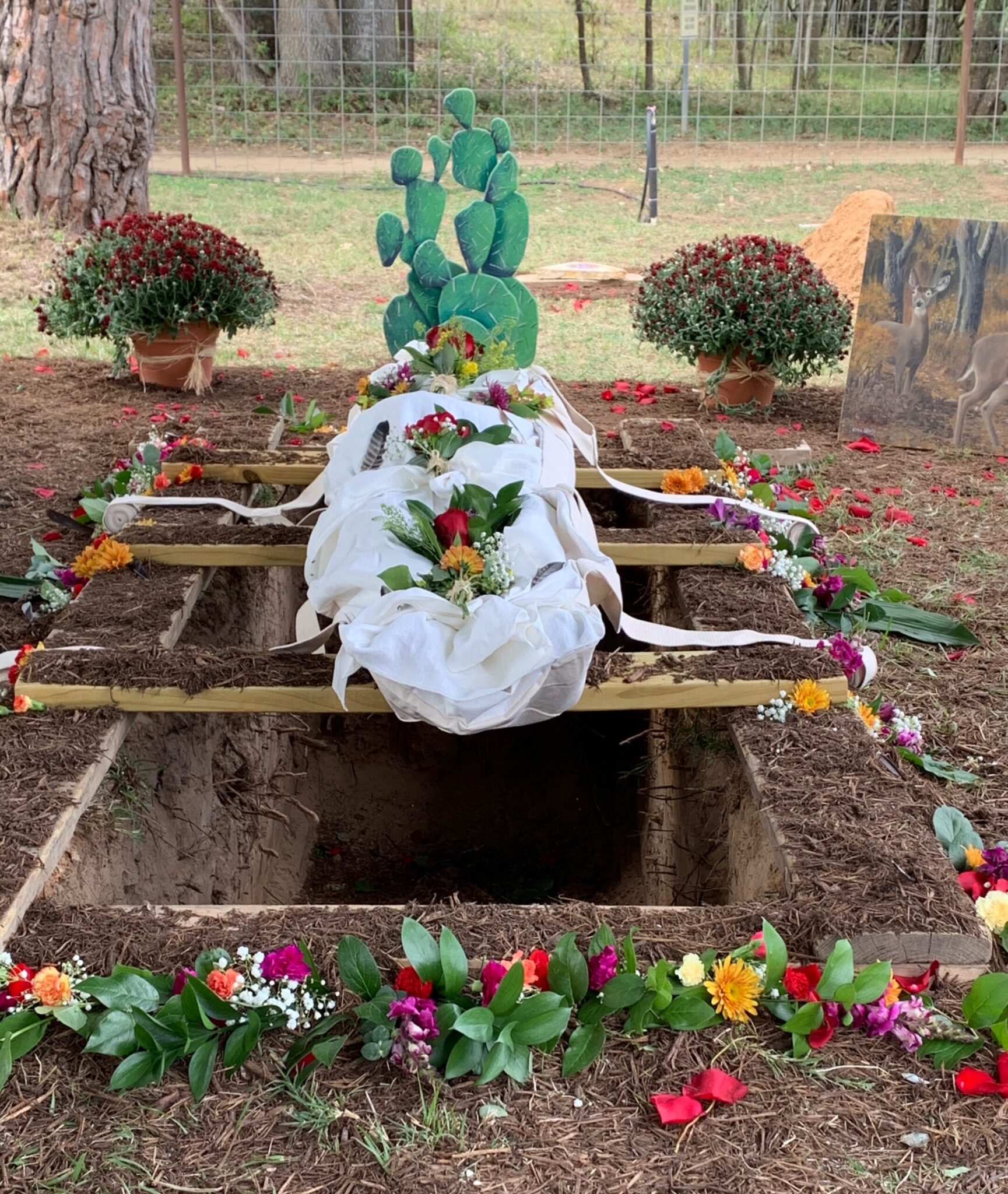
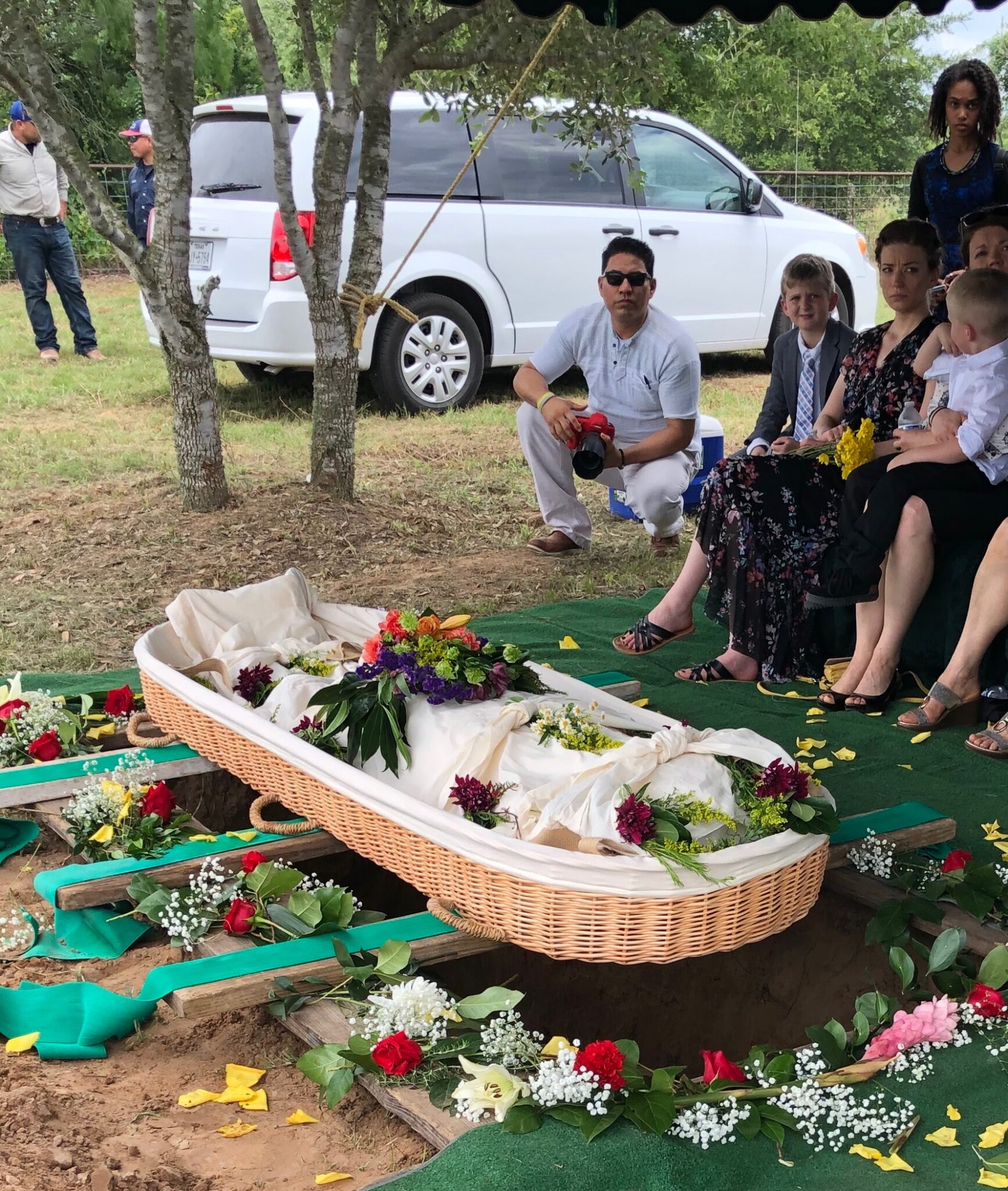
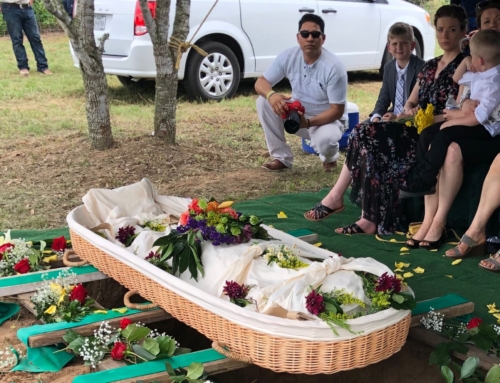
Texas law permits natural burials but includes specific regulations designed to maintain public health and cemetery standards. While traditional cemeteries often require rigid containers or sealed caskets, Texas does not mandate the use of a formal casket for burial. Instead, it requires that the deceased be placed in a container sturdy enough for safe transportation and handling. This flexibility allows natural materials like biodegradable shrouds or simple wooden caskets, which suit natural burial principles by encouraging decomposition and minimizing environmental impact.
Embalming—a process many associate with typical funerals—is notably not required by Texas statutes for natural burials unless the deceased’s body will be transported by common carriers such as airlines or trains. This exemption reflects the state’s accommodation of green burial practices, where avoiding embalming chemicals supports ecological sustainability. Families choosing natural burial thus avoid exposure to formaldehyde and other preservatives, enabling the body to return to the earth naturally.
Still, adherence to municipal bylaws and cemetery rules remains crucial. Green burial grounds like Countryside Memorial Park near San Antonio actively collaborate with funeral directors licensed and knowledgeable in natural burials to guide families through these requirements. Their experience ensures that each interment complies with relevant health codes while honoring the family’s ecological values—this blend of regulatory respect and compassionate care makes a meaningful difference in easing concerns during an emotionally charged time.
When planning, it’s wise to consult directly with your chosen cemetery and funeral professionals about local laws impacting container types, burial depth, and any permits needed. Being informed ahead of time prevents last-minute surprises and secures a seamless process aligned with state law and personal preferences. Advance planning also opens dialogue about plot selection and sustainable memorial options like artisan stone markers or simple native plantings, reinforcing the green ethos.
“Understanding your legal framework helps transform what might seem daunting into an empowered choice aligned with both tradition and innovation.”
Grasping these legal fundamentals doesn’t just protect you from potential pitfalls; it empowers you to embrace green burial as a responsible, respectful continuation of life’s cycle here in Texas. With this foundation, we can explore the factors involved in choosing the ideal resting place that honors both loved ones and the environment.
Selecting a Green Cemetery
Choosing a green cemetery isn’t simply about finding a final resting place—it’s about aligning the burial process with environmental values while ensuring accessibility and dignity. When considering natural burial grounds, location is often the first practical concern. You want a place that feels reachable for family members and friends, making visits manageable rather than a burdensome journey.
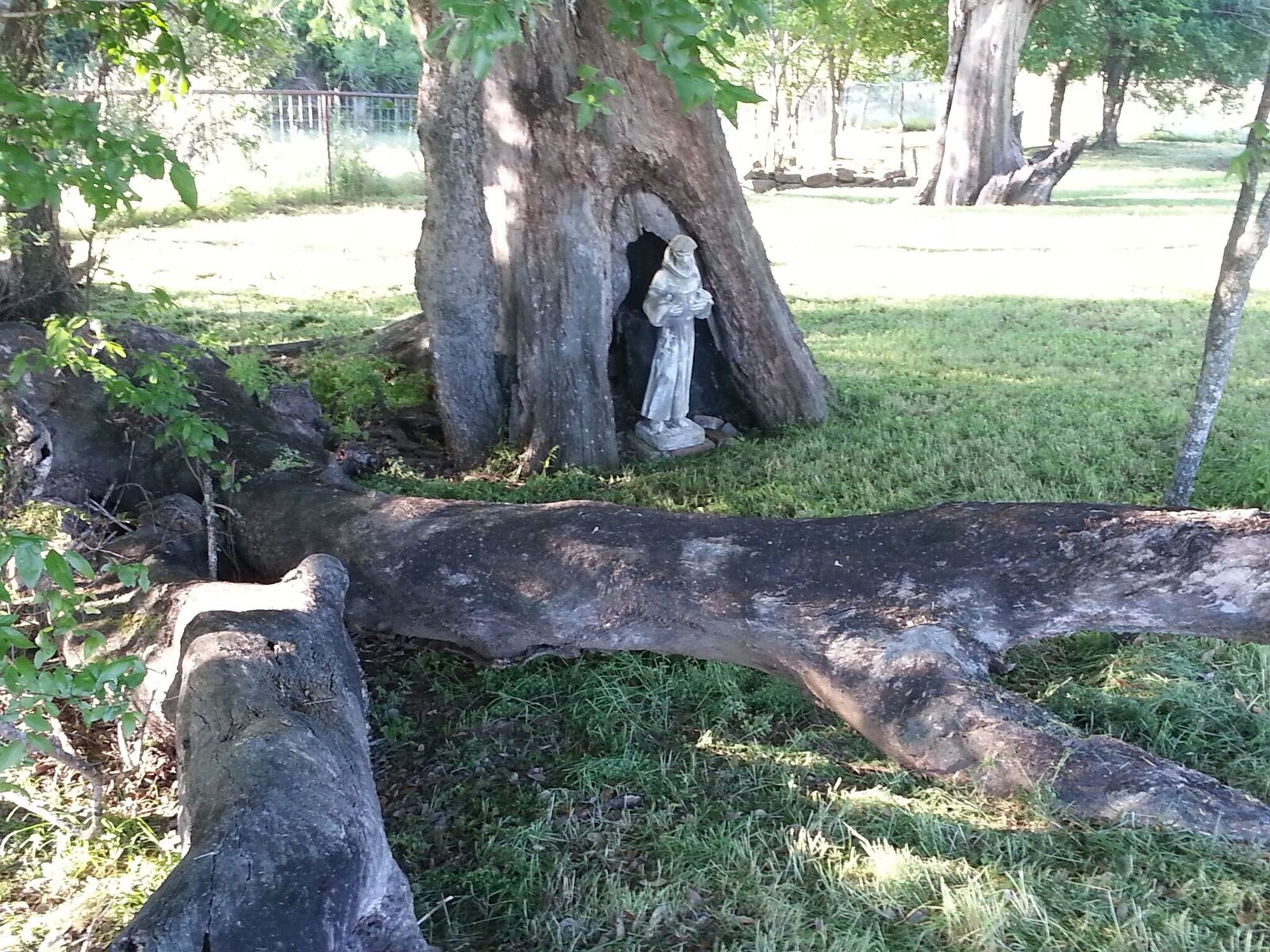
But beyond convenience, the character of the land itself matters deeply. A truly green cemetery like Countryside Memorial Park near San Antonio, Texas, offers rolling natural landscapes where graves blend unobtrusively into native habitats, allowing nature to flourish undisturbed.
Environmental practices form the heart of what makes a cemetery “green.” It helps to inquire directly about how the site manages its grounds—does it avoid pesticides and chemical fertilizers? Are non-native plants minimized to support local biodiversity? At Countryside Memorial Park, for instance, every burial supports the ecosystem by maintaining natural grasses and trees, with no concrete vaults or elaborate markers disrupting soil health. This commitment promotes ecological sustainability—returning bodies to the earth in their purest form, encouraging decomposition to nourish surrounding life.
Don’t underestimate the value of community feedback when deciding on a cemetery. Personal experiences provide insights into how well the staff communicates, how peaceful and well-maintained the grounds remain over time, and how sensitively ceremonies are handled. Many cemeteries offer testimonials or can introduce you to families who have chosen their services. Connecting with others who have walked this path offers comfort and understanding during a difficult decision-making process.
“Choosing a natural burial site is as much about honoring personal values as it is about practicality; knowing you’ve selected a place that nurtures both memory and environment brings lasting peace.”
Key features to evaluate include:
| Feature | What to Consider |
|---|---|
| Location | Is it accessible for regular visits? How close is it to family hubs or community centers? |
| Environmental Commitment | Does the cemetery actively conserve habitats and avoid harmful chemicals or artificial landscaping? |
| Cost Transparency | Are plot prices clear upfront? Are additional fees such as interment charges reasonably outlined? |
| Support Services | Does the park work with funeral directors experienced in natural burial, providing guidance? |
| Memorial Options | Can you personalize grave markers using eco-friendly materials like hand-engraved stones or tree plantings? |
| Community Reputation | What do past users say about staff care, cleanliness, and ceremony atmosphere? |
Understanding how to choose a resting place rooted in environmental respect naturally leads to exploring various burial methods that embody these green principles. This next aspect plays a crucial role in shaping a final tribute that honors both loved ones and the earth itself.
Eco-Friendly Burial Methods
There are several eco-friendly burial methods to choose from, each offering distinct advantages when it comes to honoring loved ones while caring for the environment. One of the most widely embraced approaches is traditional natural burial, where the process is as simple and organic as returning directly to the earth.
Traditional Natural Burial
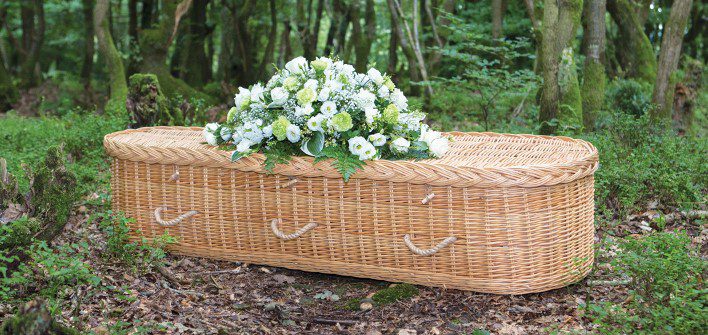
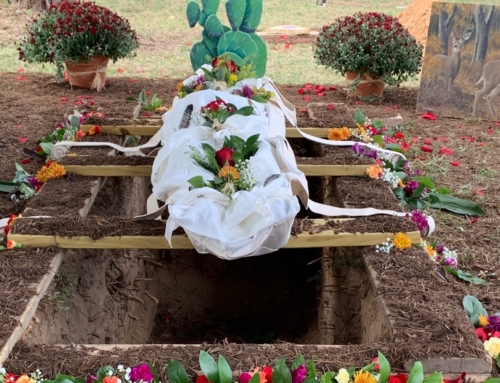
At its core, traditional natural burial involves placing the body in the ground without the use of embalming fluids or any non-biodegradable materials. Typically, this means using a simple shroud or a biodegradable casket made from materials like wicker, bamboo, or untreated wood. Because nothing synthetic impedes decomposition, the body gradually breaks down and enriches the soil—providing nutrients that eventually support local plant life.
This creates a truly closed ecological loop: life feeds life. Not only does this method respect the natural cycle, but it also requires less land disturbance compared to conventional burials with concrete vaults and heavy headstones.
The beauty of this method comes from its simplicity and purity—the absence of chemicals protects groundwater and avoids toxic pollution. It also preserves green spaces since these cemeteries often maintain native vegetation rather than manicured lawns. What’s especially meaningful is that each burial can become part of a living landscape, contributing to habitat restoration and biodiversity.
Cremation with Scattering
While cremation has become more common in modern funerary practices, particularly for its convenience and flexibility, it raises important environmental concerns. The combustion process emits carbon dioxide and other pollutants due to fossil fuel consumption.
Despite this, scattering ashes in natural locations under regulated guidelines offers an eco-conscious alternative that minimizes additional impact.
Choosing to scatter ashes in protected areas such as natural burial parks or forest preserves ensures that remains reenter ecosystems respectfully. At places like Countryside Memorial Park near San Antonio, Texas, families can arrange for ashes to be scattered in scenic woodland areas where they serve as gentle nourishment for wildlife and plants alike.
This method promotes a deep spiritual connection to nature—even if indirect—and requires no physical markers or land disturbance.
Tree Pod Burials
A newer innovation gaining interest is the tree pod burial system. In this approach, a body or cremated remains are placed inside a biodegradable pod designed to foster tree growth when planted underground. A sapling is then planted above the pod, symbolizing renewal and continuity through nature’s cycles.
Though not yet widespread due largely to regulatory hurdles and availability, tree pod burials represent an inspiring fusion of memorialization and ecosystem restoration.
Imagine walking through a tranquil grove of trees where each one marks a celebrated life while helping sequester carbon dioxide and improve air quality. This environmentally thoughtful concept perfectly illustrates how we can become part of nature in death while creating lasting legacies for future generations.
Beyond their impressive environmental impact, these green options often offer significant financial benefits as well—highlighting how sustainable choices can align with practical considerations moving forward.
Financial and Environmental Benefits
When exploring burial options, cost often lies at the heart of many families’ decisions. Natural burials stand out as an affordable and eco-friendly alternative to traditional interments. The stark difference in price is notable: while conventional U.S. burials average nearly $7,850, natural burials typically fall between $1,500 and $4,000. This savings comes from avoiding costly embalming chemicals, elaborate caskets, and extensive land use that traditional cemeteries require.
At places like Countryside Memorial Park near San Antonio, Texas, a basic burial plot can start as low as $300. Even after covering associated services such as plot opening and closing fees—generally ranging from $300 to $600—the overall expenses remain comfortably below traditional burial costs. This pricing model reflects a thoughtful approach designed to make respectful end-of-life arrangements accessible to more people while honoring the earth’s natural cycles.
Beyond finances, the environmental impact provides another compelling reason to consider green burial. Traditional practices rely heavily on materials like metal caskets and toxic embalming fluids that inhibit the body’s natural decomposition. In contrast, natural burials eliminate these synthetic barriers, allowing bodies to return fully to the soil in their purest form.
This process not only enriches the earth but reduces carbon emissions that conventional funerals contribute through manufacturing and transportation of materials.
A particularly striking example of environmental benefit involves tree pod burials—a method where cremated remains are placed in biodegradable pods beneath saplings. These trees absorb carbon dioxide; mature trees typically sequester around 48 pounds (22 kilograms) of CO2 each year, contributing actively to fighting climate change.
Over time, these living memorials symbolize renewal and life continuing beyond death.
For anyone considering options in Texas or elsewhere, weighing these intertwined benefits helps clarify the choice. Natural burial combines meaningful savings with ecological mindfulness. It creates a legacy that respects both loved ones and future generations by fostering a living connection to nature.
These advantages invite us to rethink what legacy truly means—not just about where we rest but how we align our final acts with values of sustainability and dignity. Designing ceremonies immersed in nature further enriches this journey toward peaceful remembrance and renewal.
Nature-Based Ceremonies and Memorials
Many families discover comfort in holding memorial services outdoors, where the natural world becomes an active participant in remembrance. Unlike conventional funeral homes or sterile interiors, green burial parks like Countryside Memorial Park near San Antonio allow gatherings beneath open skies, enveloped by trees and native plants. This immersion in nature can foster a sense of peace that lingers beyond the ceremony itself.
These ceremonies often incorporate meaningful rituals grounded in the cycles of life — one common practice is planting a tree in honor of a loved one. This act symbolizes growth, renewal, and the continuation of life through natural means, providing mourners a tangible way to celebrate memory while contributing positively to the environment. Chrysta Bell Zucht, Steward of Countryside Memorial Park, frequently shares how such gestures have helped families find solace amid grief, turning farewell into a ceremony of hope anchored by living things.
Memorial markers also take on forms aligned with ecological values. Rather than large granite tombstones disrupting the landscape, many choose engraved natural stones or artisan-crafted markers made from biodegradable materials. These subtle yet enduring remembrances blend with the earth’s contours and reflect the principle that life returns eventually to soil — a quiet embrace of mortality without harsh imposition on nature’s balance.
Music plays a vital role in deepening these moments. Professional musicians like Sunny Markham provide services tailored to outdoor spaces, their songs resonating softly through woodland clearings or meadow glades. This harmony between sound and setting enriches the ceremony’s spiritual atmosphere, encouraging reflection and emotional release amidst gentle natural surroundings.
“Music flowing with the wind, leaves rustling softly — it’s as if nature itself sings along,” says one attendee describing a service at Countryside Memorial Park.
When planning a natural burial ceremony, consider how each element—from location and symbols to music—can intertwine to create a personalized farewell steeped in environmental respect and emotional meaning. Choosing nature as the backdrop can transform ritual into reverence, reminding us that death is part of an ongoing story shared between humanity and Earth.
The distinctive features of these nature-based ceremonies highlight why green burials are increasingly favored—not only for their ecological benefits but also for the profound spiritual comfort they provide. With this understanding of how memories are honored naturally, we now explore how these practices compare directly with traditional burial methods.
Comparing Natural and Traditional Burials
To better understand the advantages of natural burials, it’s helpful to compare them directly with traditional burials. At the heart of this comparison lies how each approach treats the body, the environment, and the rituals surrounding death. The differences are not just practical but reflect deeper values about life, legacy, and our relationship with the earth.
| Aspect | Natural Burials | Traditional Burials |
|---|---|---|
| Environmental Impact | Minimal; promotes ecological sustainability by avoiding embalming fluids, non-biodegradable materials, and concrete vaults; encourages return to Earth’s natural cycle | Significant; involves chemical embalming, steel or hardwood caskets, concrete vaults; contributes to soil contamination and carbon emissions |
| Cost | More affordable, generally ranging from $1,500 to $4,000 including plot and interment fees; biodegradable casket or shroud options reduce expenses | Considerably higher costs averaging around $7,848 due to elaborate caskets, embalming procedures, funeral home services |
| Legal Requirements | Less stringent regulations in many states allow burial without embalming; permits often simpler and flexible about container choice | Often require embalming if burial is delayed; standard use of sealed caskets/vaults mandated in some areas; more complex paperwork |
| Ceremonial Flexibility | Highly customizable ceremonies outdoors amid nature; fewer restrictions on timeframes and ritual formats enable personalized farewells | Ceremonies typically held in funeral homes or places of worship with preset formalities; time-sensitive due to embalming and interment schedules |
While traditional burials emphasize permanence through durable caskets and concrete vaults designed to preserve bodies indefinitely, natural burials cultivate a philosophy of simplicity and returning to the earth. They embrace decay as part of life’s ongoing cycle rather than postponing it. This distinction carries profound implications: where traditional methods isolate remains from nature in manufactured tombs, natural burials integrate them back into ecological systems—nourishing soil and supporting plant life.
Financially speaking, natural burial offers significant savings by eliminating costly steps like embalming and expensive caskets. Instead, it favors biodegradable shrouds or simple wooden coffins crafted from sustainable materials such as pine or wicker. This simplicity benefits families by easing emotional burdens while aligning with environmental values. Furthermore, since many green cemeteries—including Countryside Memorial Park near San Antonio—focus on minimal site disturbance and conservation, natural burials support long-term stewardship of the land.
Legally, requirements for green burial can be less restrictive but vary by state. In Texas, for example, laws allow burials without embalming fluids or permanent containers when performed by licensed professionals familiar with green practices. This flexibility enables families greater freedom in planning ceremonies that feel authentic to their traditions or beliefs.
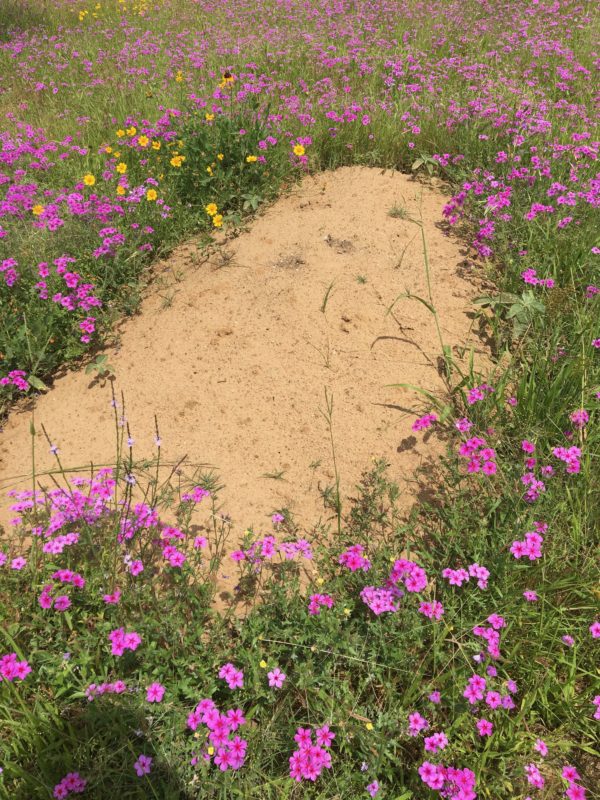
Moreover, ceremonial flexibility distinguishes natural burials profoundly from traditional ones. Imagine a service beneath majestic oaks with native wildflowers marking the resting place instead of marble headstones. Whether it’s music from local artists like Sunny Markham at Countryside Memorial Park or hand-engraved natural stone markers reflecting personal stories, nature-based offerings create spaces that invite ongoing connection rather than rigid formality.
For those considering end-of-life plans that honor both loved ones and the environment thoughtfully, evaluating these differences helps ground decisions in fact and feeling simultaneously. Natural burial brings together ecological mindfulness with fiscal responsibility while respecting heartfelt intentions about what a dignified farewell truly means.
“Death came with loving care; The opening bud to heaven conveyed, and bade it blossom there.” – Samuel Taylor
Embracing natural burial in Texas offers a meaningful way to celebrate life’s final chapter—one that nurtures both memory and earth for generations to come.
As awareness grows about sustainable options for honoring loved ones, natural burial stands out as a compassionate choice blending reverence for people with respect for our planet’s future.
 Chrysta Bell Zucht is an internationally known Actor, Musician and the Steward of Countryside Memorial Park. She has always shared her father’s passion for Natural Burials, and upon his unexpected death in 2009 had the soul-satisfying experience of giving him the green burial he had always wanted. She remains deeply dedicated to Countryside and has vowed to continue to offer it as a serene, peaceful place for eco-conscious families to bury, memorialize and celebrate their Beloveds.
 Music adds a memorable and deeply moving element to any ceremony, especially if it is music that your Loved One loved.