
What if, instead of a traditional burial or cremation, your final resting place could be a tree? Imagine life continuing in a new form—a tree growing strong and healthy because of the nutrients your body provides. This eco-friendly idea, called tree burial or human composting, is an option more people are exploring to leave a positive mark on the planet and loved ones. It’s about turning what feels like an ending into new growth, connecting our story to nature’s cycle in a thoughtful and gentle way.
Becoming a tree after death involves eco-friendly practices like human composting, where your body is transformed into nutrient-rich soil used to nourish trees and plants. Tree pod burial, which places cremated ashes in biodegradable pods beneath trees, is another option; however, human composting offers a more sustainable and environmentally beneficial alternative by fully returning the body to the earth without harmful emissions.
The Concept of Becoming a Tree After Death
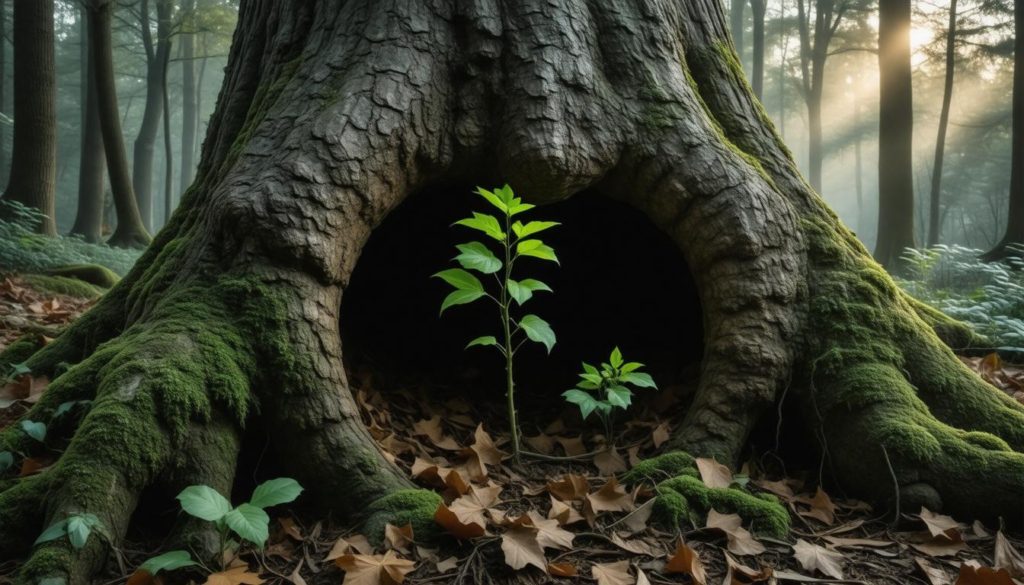
At its heart, this eco-friendly practice involves placing human remains. Whether cremated ashes or, in some emerging concepts, whole bodies—into a biodegradable pod or urn. The pod is carefully buried beneath a young tree sapling. Allowing the nutrients from the remains to enrich the soil and nurture the tree’s growth.
This creates a living memorial where life literally springs from death, symbolizing continuity and renewal. Rather than fading away quietly underground or dispersing into air. The body becomes part of a thriving ecosystem that serves as both tribute and environmental contribution.
This process isn’t just poetic. It’s grounded in ecological science. Our bodies naturally contain essential nutrients like nitrogen, phosphorus, and potassium. Elements vital for healthy plant growth. When managed correctly, these nutrients feed the tree over time. Supporting photosynthesis and root development.
However, practical challenges exist. Cremated ashes alone have a high pH level that can harm young plants if not properly balanced with soil amendments. That’s why modern biodegradable pods often include specially formulated materials that help moderate acidity and enhance biodegradation. Ensuring trees flourish instead of struggling.
The symbolism here resonates powerfully across cultures: becoming a tree reflects an enduring bond between humans and the earth, reminding us that even in death, we contribute positively to life’s web. This concept appeals especially to those who seek meaningful legacy beyond traditional markers like tombstones.
It embodies respect for the environment while addressing growing concerns around space consumption and carbon emissions linked to conventional burials and cremations.
As Dr. Susana Soares notes, “Becoming a tree symbolizes a beautiful return to nature, marrying our desire for a meaningful legacy with environmental stewardship.”
While whole-body pods remain largely conceptual due to logistical hurdles—such as soil conditions and local regulations. Cremation pods are already available on the market. These biodegradable urns degrade within six to twelve months, releasing organic matter slowly into surrounding soil.
A mature tree planted this way can absorb some 22 kilograms (about 48 pounds) of carbon dioxide annually, aiding in carbon sequestration efforts. Beyond reducing greenhouse gases compared to cremation alone. Which releases substantial CO2 fueled by fossil energy—the practice helps conserve land by minimizing traditional cemetery footprints.
| Aspect | Details |
|---|---|
| Nutrients Supplied | Nitrogen, Phosphorus, Potassium |
| Ashes pH Impact | High alkalinity requiring soil balancing |
| Pod Decomposition Time | 6–12 months |
| Carbon Sequestration | ~22 kg CO2 absorbed per mature tree annually |
| Environmental Benefit | Reduced land use and greenhouse gas emissions |
For those drawn to this pathway, it’s important to consider working with providers experienced in eco-burial practices. Such as those partnering with conservation projects—to ensure that your living memorial contributes optimally both symbolically and ecologically. Mixing human-composted soil with ashes before planting can balance nutrient levels better than ashes alone.
Understanding these ecological foundations sets the stage for examining how such green burial practices are carried out practically—from initial planning through final interment—bridging ideals with real-world procedure.
The Burial Process Explained
When it comes to becoming a tree after death, the burial process mainly revolves around two options: cremation pods and whole body pods. While cremation pods are widely available today, whole body pods remain mostly conceptual due to practical challenges and regulations. Understanding these steps helps you appreciate how this eco-friendly idea takes root—in more ways than one.
Step I – Choosing the Burial Pod
The first decision is selecting your pod. Cremation pods encase cremated ashes in biodegradable materials like cornstarch or cellulose, which means they will naturally break down over time, enriching the soil rather than lingering as waste. Whole body pods, where an entire body is buried inside an organic enclosure shaped somewhat like an egg or pod, aim to offer a similar experience but face hurdles: physically fitting a full body inside a pod while ensuring proper decomposition and compliance with legal and environmental standards isn’t straightforward yet. This makes cremation pods the current practical choice for most families seeking this natural return to earth.
It’s important that these pods are made from fully biodegradable substances. This ensures that as the pod breaks apart within months, it releases nutrients into the soil quietly and without toxic residues, encouraging healthy root growth for the tree above.
Step II – Selection of the Tree
Next comes choosing which kind of tree will grow from this living memorial. It’s essential to pick a species well-suited to your local climate and soil type—an oak or maple might thrive in one region but struggle in another. Many services guide families to native trees that protect or restore local ecosystems, adding value beyond personal remembrance. Some people even choose fruit-bearing trees or flowering varieties for added symbolism or practical use.
Consulting with burial experts or arborists can ensure that your tree doesn’t just survive but flourishes, creating a lasting tribute that contributes positively to your environment.
Step III – Burial and Planting
Finally, the process of burying the pod begins. Typically, the pod is placed about three feet underground, deep enough so roots can access the nutrients released by the decomposing ashes or remains while allowing space for healthy root expansion. A young sapling or tree seedling is then planted at or near this spot.
One technical challenge with cremation ashes is their high pH level, which can be harsh for plant life. To counteract this, burial services often incorporate buffering materials—like compost or other organic additives—to neutralize soil acidity and provide an ideal environment for root establishment.
As months pass, the pod biodegrades completely, and over time the tree grows stronger nourished by both natural soil nutrients and those from the human remains beneath it. This beautiful cycle highlights how death can literally feed new life—transforming grief into growth.
The deeper emotional resonance of this practice goes hand in hand with its environmental impact, offering both solace and tangible benefits as nature reclaims what was once lost.
Environmental and Emotional Benefits
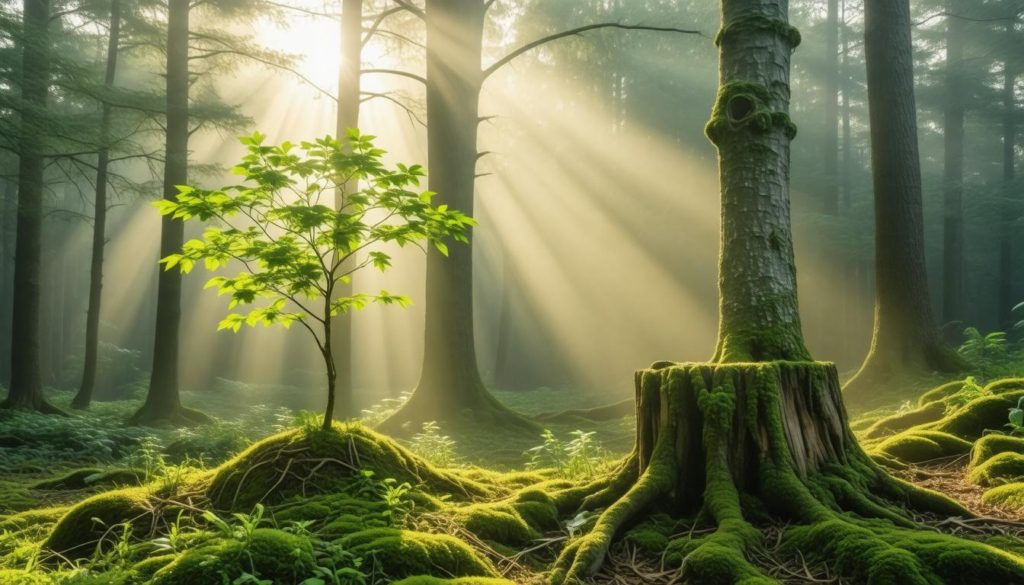
When you choose to become a tree in your final resting place, you actively participate in a living cycle that benefits the earth long after you are gone. Unlike traditional cremations, which release hundreds of kilograms of CO2—equivalent to driving hundreds of miles—these eco-friendly options act as carbon sinks. A mature tree can absorb approximately 22 kilograms of CO2 annually, gradually offsetting the footprint left by human life.
This nurturing process replenishes soil quality, encourages biodiversity, and supports local ecosystems — all essential contributions to diminishing global climate change effects.
Beyond the impressive environmental mechanics, the emotional significance carries equally profound weight. Many find solace in the idea that their remains don’t simply rest beneath cold stone or fade away as ashes but instead help grow something vibrant and living.
This connection to nature fosters healing for families and friends by providing a tangible, growing memorial. Rather than visiting a traditional gravestone, loved ones can sit beneath a tree’s shade—a symbol of ongoing life and resilience.
“Visiting the tree where my father rests brings peace. It feels more like he’s part of this natural world rather than confined to a grave.” – Sarah Mitchell
This quote reveals how transforming remains into a living monument offers peaceful closure through integration with nature’s rhythms, invoking feelings deeper than many conventional memorials provide. The tree becomes a source of comfort—growing stronger with each passing season—as it stands witness to family gatherings and quiet reflections alike.
Here’s how different burial methods compare environmentally:
| Burial Method | Approximate CO2 Emissions | Soil Impact | Ecosystem Benefit |
|---|---|---|---|
| Traditional Burial | Low direct emissions* | Potential toxin buildup (formaldehyde) | Minimal unless conservation-linked |
| Cremation | ~400 kg CO2 per body | No positive soil impact | No ecosystem benefit |
| Tree Pod Burial | Reduced emissions (~70% less than cremation) | Enriches soil via nutrient cycling | Promotes biodiversity & carbon capture |
*Indirect emissions from coffins, transportation, and cemetery maintenance add further impact.
Returning one’s body naturally nurtures soil fertility by contributing organic matter, improving moisture retention, and supporting microorganisms vital to plant health.
Families choosing these methods often experience increased emotional satisfaction because they take part in meaningful conservation efforts that extend beyond mere farewell rites.
If contemplating final wishes for yourself or a loved one, consider resting under a tree not only as poetic symbolism but also as an impactful environmental act.
Services like those offered by Countryside Memorial Park blend tradition with nature-based practices, enabling families to memorialize in ways that nurture future generations while honoring personal legacies.
Eco-conscious burials where death births new life create a continuous story written in leaves, roots, and soil instead of stone or ash. This vision transforms grief into inspiration and permanence into growth, redefining what it means to leave a lasting mark beyond your lifetime.
With the physical transformation from person to tree conveying powerful environmental and emotional messages, it is equally important to understand how this practice intersects with cultural beliefs and symbolism deeply woven into human history and identity.
Symbolism and Cultural Significance

Trees have long served as powerful symbols across human history. Standing tall as emblems of life, growth, resilience, and connection between earth and sky. When you choose a tree burial, you participate in an ancient tradition deeply embedded in the human experience. For example, the Celts didn’t just see trees as plants. They regarded them as sacred entities embodying spiritual energy and continuity through generations. Oaks symbolized strength and endurance, qualities one might hope to carry beyond their lifetime.
This symbolism isn’t confined to one culture. In Japan, tree burials harmonize with Shinto beliefs that stress living in balance with nature, where planting a tree is an act of respect for life’s cyclical nature. Hindu culture venerates the banyan tree as immortal. Its vast roots and canopy suggesting eternal life. Making it a fitting companion for those seeking an enduring memorial rooted in spirituality.
What makes these traditions resonate today is how they tap into a universal longing: the wish to continue contributing positively to the world even after death. Instead of fading away quietly, planting oneself as a tree means nurturing new life—a literal transformation of what was once human into nourishing soil and flourishing greenery.
This symbolism amplifies the emotional benefits of green burial options like tree pod burials or human composting because they offer consolation not just through ecological impact but through profound spiritual meaning. The process signals rebirth — your remains fostering life rather than decaying unnoticed. It’s a testimony to cycles: death feeding growth, loss generating renewal.
| Culture/Region | Tree Symbolism | Burial Context |
|---|---|---|
| Ancient Celts | Life force, strength, endurance | Reverence for oak and yew trees |
| Japan (Shinto) | Harmony with nature, cycle of life | Natural burials involving tree plantings |
| Hinduism | Immortality, eternal life | Banyan trees near temples used in rituals |
| Indigenous North America | Connection to earth and community | Placing remains near trees symbolizing cycle |
| Scandinavia | Nature worship, ancestral ties | Growing trend of natural burials honoring Viking beliefs |
Beyond spirituality though, this cultural momentum is shaping modern attitudes toward burial choices. People aren’t just drawn by symbolism—they want their final rest to echo their values in sustainability and reverence for nature.
A recent survey from the Funeral and Memorial Information Council highlights this shift clearly: 64% of people now favor eco-friendly burial options, signaling that sustainable end-of-life choices are becoming part of mainstream culture. The desire to connect meaningfully with nature at life’s end grows stronger every year.
Yet while the emotional comfort and historic resonance are compelling motives, practical aspects like costs, local regulations, and environmental impact must also guide decisions about becoming a tree after death. Navigating these realities with informed care ensures the symbolic power of tree burials translates into lasting meaningful experiences—not just hopeful aspirations.
Choosing a tree burial is much more than selecting a greener alternative; it’s embracing a narrative centuries in the making—one that intertwines ecology with spirituality, science with soulfulness, and personal legacy with earthly renewal. This cultural significance stands alongside environmental benefit as we collectively rethink what it means to say goodbye in 21st-century ways that honor both tradition and tomorrow.
Understanding the deep cultural roots and symbolism behind these practices sets the stage for examining the tangible factors that impact your choice—what it costs, what regulations apply, and how eco-friendly options measure up practically.
Practical Considerations and Costs
The idea of becoming part of a living tree after death certainly appeals on a symbolic and ecological level, but it comes with real logistics that can’t be overlooked.
For one, the financial aspect is a major factor for most families planning funeral arrangements. While environmentally conscious choices are gaining ground, they still involve costs that vary widely depending on the specific method chosen. For example, biodegradable cremation pods currently retail between $300 and $500, excluding the price of the tree itself, which can add anywhere from $50 to $100 to the final expense.
Whole body pods designed to nourish an entire tree remain mostly conceptual and are not commonly available yet; this leaves interested individuals with fewer immediate options if that’s their preference.
| Type of Pod | Price Range | Additional Costs |
|---|---|---|
| Cremation Pod | $300 – $500 | Tree cost: $50 – $100 |
| Whole Body Pod | Conceptual | Not currently available |
Beyond finances, legal issues play a pivotal role. Burial laws vary significantly by location. Some municipalities have embraced green burial practices, while others maintain strict rules about what can be buried and where. Restrictions may apply to using non-traditional burial containers or planting trees directly over gravesites.
Additionally, environmental conditions such as soil type and climate influence whether certain types of trees will thrive, which is critical when selecting the species meant to grow from the pod. Rocky terrain or poor soil drainage can impair root growth, ultimately limiting how successful your living memorial becomes.
Land ownership is another key consideration. Many eco-burials happen in conservation cemeteries or designated green burial areas where the land is preserved specifically for natural interments.
These locations often enforce regulations designed to protect both local ecosystems and neighboring properties. In contrast, traditional cemeteries may not allow such methods at all or might charge extra fees that eliminate some cost benefits associated with green burial alternatives.
With these factors in mind, it’s wise to thoroughly research local laws and cemetery policies before committing. Visiting established conservation cemeteries like those featured by Countryside Memorial Park. Provides valuable perspective on available services and realistic expectations concerning costs and requirements.
When logistical concerns limit tree pod options, exploring other eco-conscious approaches allows you to honor your values while navigating practical challenges gracefully.
Eco-Friendly Burial Alternatives
When it comes to leaving a gentler footprint on the earth, the choices extend well beyond traditional methods. One of the most intriguing modern approaches is human composting, also called natural organic reduction.
This process, pioneered by companies like Recompose in states such as Washington and Oregon, gently transforms human remains into nutrient-rich soil in about 30 to 45 days. What makes this method especially compelling is its closed-loop nature: no harmful emissions are released, and instead of ashes or concrete vaults, what remains is fertile earth that can nourish new life.
Human composting relies on controlled conditions—moisture, oxygen, and microbes—to accelerate decomposition naturally and safely. From an environmental standpoint, it sidesteps many concerns linked with cremation or burial vaults, such as carbon emissions or non-biodegradable materials.
For families who want a green legacy that literally grows future trees or plants. This represents a meaningful choice aligned with eco-values.
Another emerging practice that’s drawing attention for its environmental benefits is aquamation, sometimes called alkaline hydrolysis.
Aquamation harnesses water and purified alkali solutions heated under pressure to dissolve the body’s tissues gently. Leaving behind only clean bone minerals. Compared to flame-based cremation, aquamation uses considerably less energy and eliminates airborne pollutants like mercury vapor.
The resulting ashes are fine and sterile, suitable for scattering or interment just like traditional cremation remains. Increasingly accepted in funeral homes across several states, aquamation offers a lower-emission alternative without compromising customary mourning rituals.
But if you lean towards simplicity and returning directly to the earth without chemical interference. Then natural burial is certainly worth understanding.
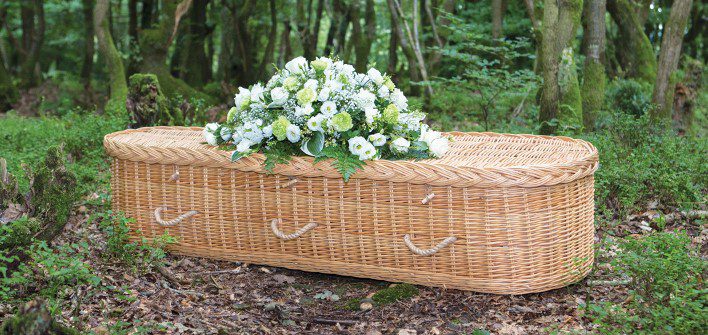
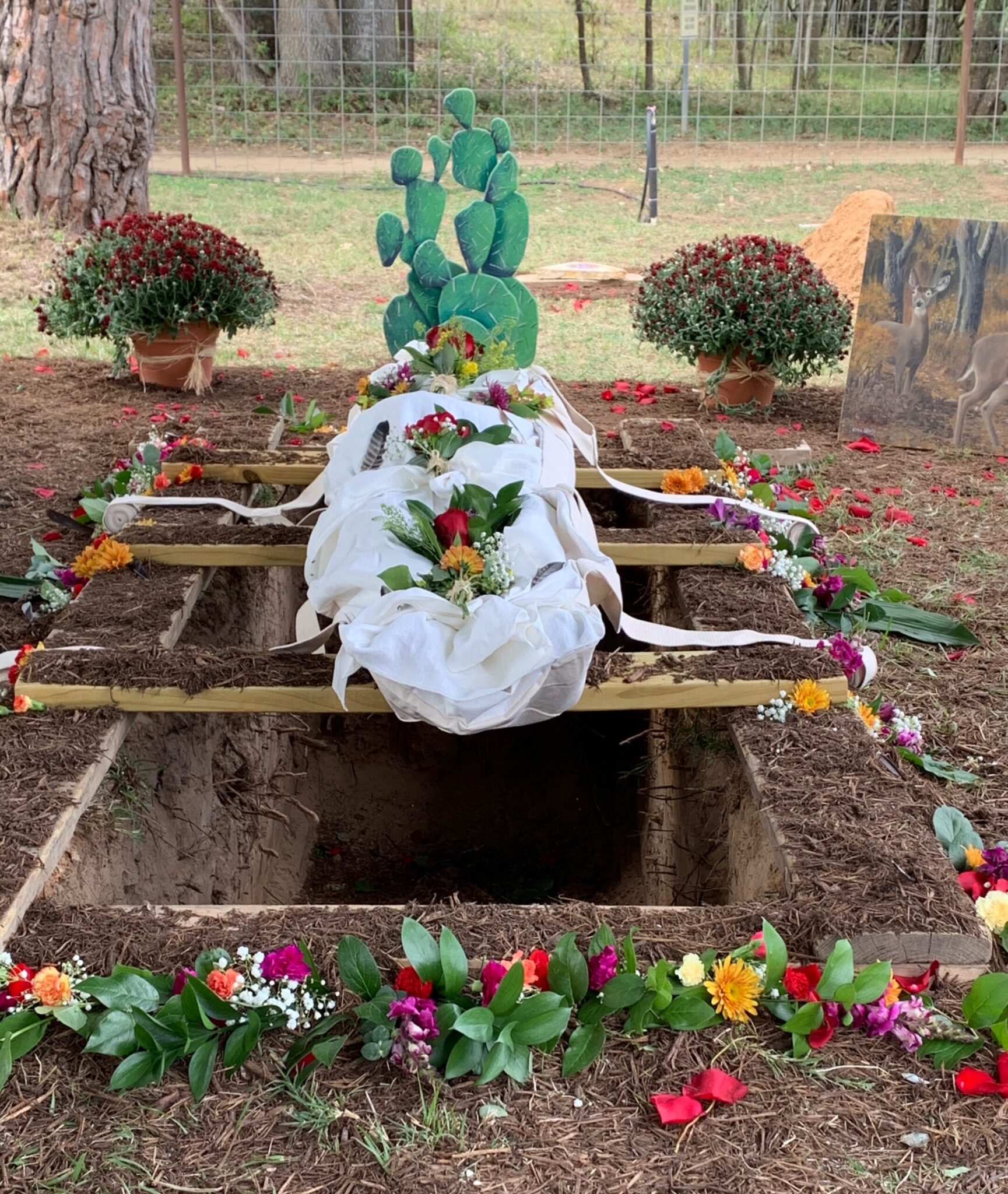
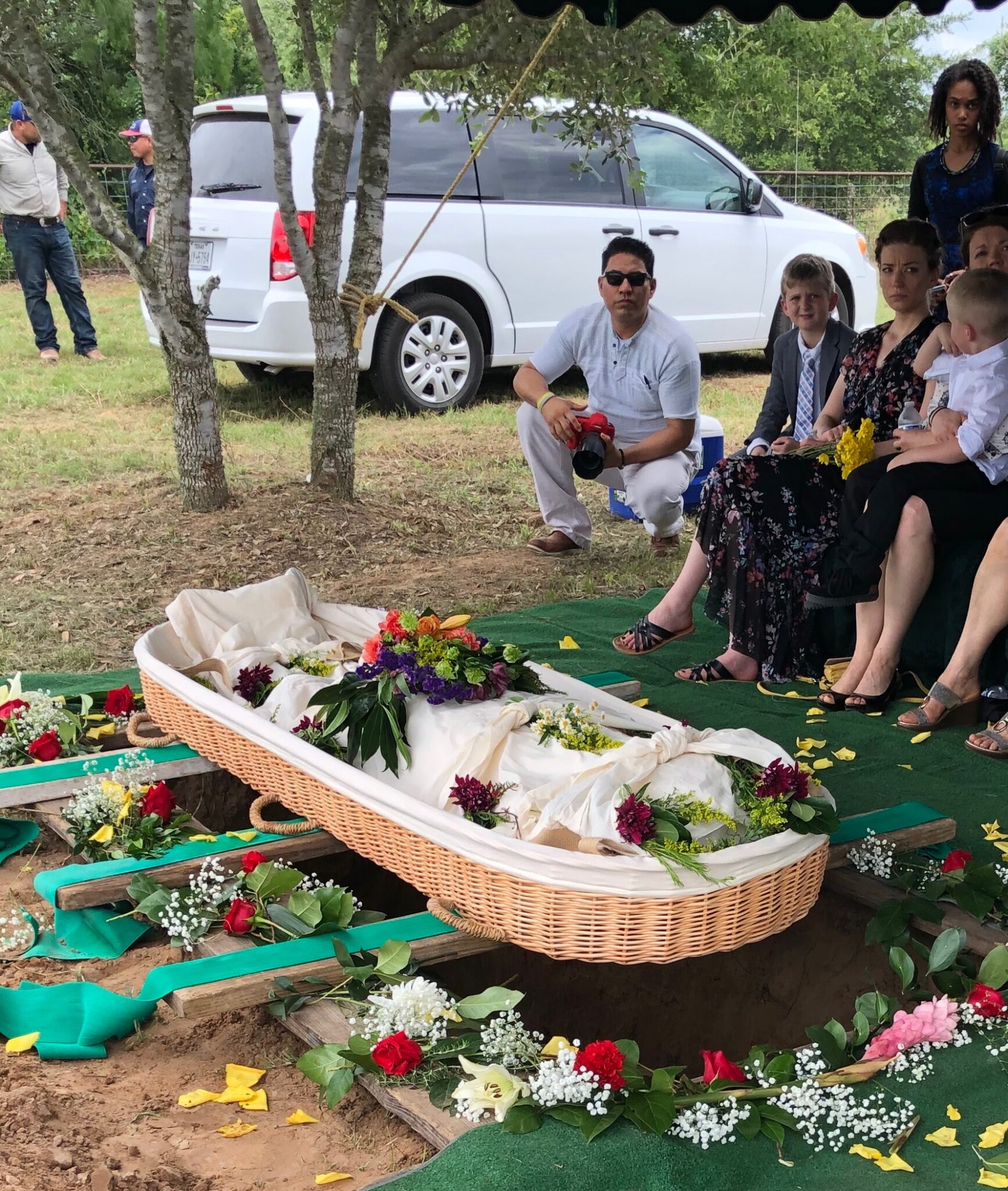
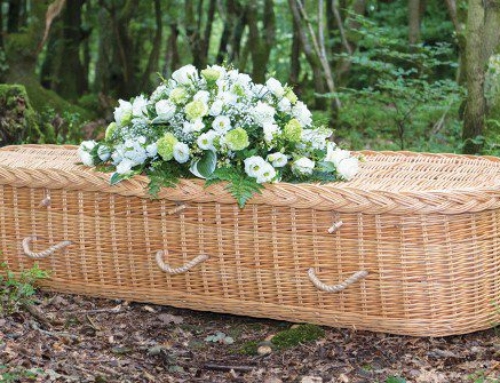
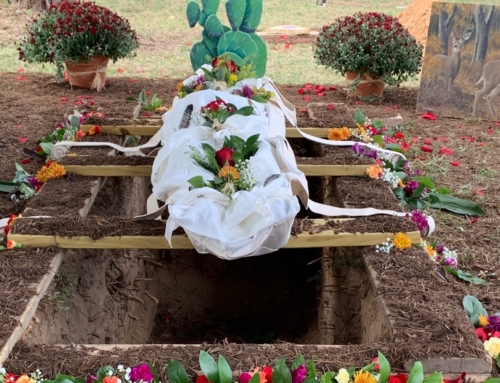
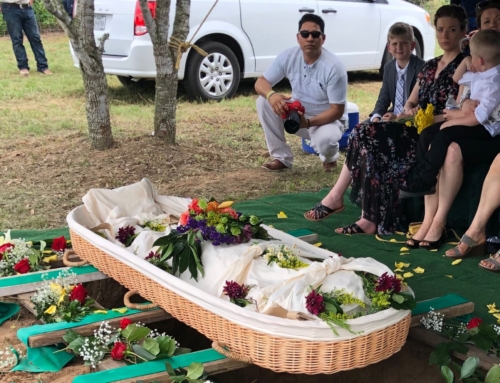
Natural burials reject embalming fluids—often toxic—and opt for biodegradable coffins. Made from plain wood, wicker, or even simple shrouds. In these restful plots, grave markers are usually absent or minimal (such as flat stones). Allowing the land to maintain a woodland or meadow-like appearance.
This creates conservation spaces where native plants thrive and wildlife can flourish unimpeded by artificial landscaping. Cemeteries specializing in natural burial often have strict rules against fertilizers, pesticides, and decorative plantings to protect these ecosystems.
Opting for natural burial means embracing impermanence in favor of environmental restoration. These spaces become sanctuaries preserving forever-wild landscapes—an ecological gift that honors both the departed and generations ahead.
Each of these green alternatives addresses different needs—from reducing carbon footprints to supporting habitat conservation. Yet they all share a commitment to sustainability and respect for natural cycles.
And if you’re curious about how these options are embraced in local cemeteries or wish to explore services that align with your values, be sure to visit Countryside Memorial Park where we offer guidance on green burial choices within serene care settings modeled around ecological principles.
Embracing eco-friendly burial options means choosing a final rest that nurtures life anew. Turning loss into lasting renewal. Your decision today can cultivate forests tomorrow and honor both nature and memory in profound ways.
 Chrysta Bell Zucht is an internationally known Actor, Musician and the Steward of Countryside Memorial Park. She has always shared her father’s passion for Natural Burials, and upon his unexpected death in 2009 had the soul-satisfying experience of giving him the green burial he had always wanted. She remains deeply dedicated to Countryside and has vowed to continue to offer it as a serene, peaceful place for eco-conscious families to bury, memorialize and celebrate their Beloveds.
 Music adds a memorable and deeply moving element to any ceremony, especially if it is music that your Loved One loved.