Thinking about what happens after life can feel overwhelming, but choosing a natural burial in Texas offers a way to honor loved ones while caring for the planet. Rather than sticking to traditional burial methods that use chemicals and non-biodegradable materials, natural burial focuses on letting the body return to the earth gently and simply. This approach not only respects nature’s cycles but also gives families a chance to create meaningful, eco-friendly memorials. In this guide, we’ll explore what natural burial means in Texas, the options available, where you can find green cemeteries, and how local laws affect your choices—making it easier to decide on a final farewell that fits your values.

Natural burial in Texas involves interring a body in a way that allows for full and natural decomposition without the use of embalming fluids, concrete vaults, or non-biodegradable caskets, thereby supporting ecological preservation. Countryside Memorial Park near San Antonio offers serene, eco-friendly natural burial options with biodegradable caskets or shrouds, affordable pricing, and personalized services to honor your loved ones while protecting the environment.

Natural Burial Options in Texas

Natural burial centers on returning to the earth with as little interference as possible, preserving the body’s natural processes and minimizing environmental impact. In Texas, this philosophy adapts to different needs and landscapes but always remains rooted in respect for nature. At its core, natural burial rejects embalming chemicals, metal caskets, and concrete vaults—practices common in traditional burials that hinder decomposition and contribute to pollution.

The range of options available primarily revolves around how the body is prepared and where it rests. Shroud burials are perhaps the simplest approach: wrapping a loved one in a biodegradable cloth, allowing for direct contact with the soil. This method emphasizes simplicity and full return to the earth, ideal for families seeking minimal environmental disruption with a deeply personal touch.

Transitioning from shrouds, biodegradable caskets offer structured protection while maintaining ecological integrity. These come in materials such as woven wicker or bamboo, untreated pine wood, or custom cardboard designs. Each material has its own rate of decomposition and aesthetic appeal but shares the quality of naturally breaking down without leaving harmful residues.

Some families choose conservation burials—a practice aligning burial with land preservation. These cemeteries operate on the principle that every interment contributes directly to conserving wildlife habitats, native plants, or open space. In Texas, this means resting among wildflowers or under oak trees instead of traditional manicured lawns.

In recent years, family burial grounds have gained recognition. For Texans who own rural property, this option allows private, intimate spaces for natural interment, subject to zoning laws and state regulations. It can be comforting to have your final place closely tied to family heritage and land stewardship. Navigating legal requirements is essential to ensure compliance and lasting peace of mind.

Choosing Among Texas’ Natural Burial Options

Selecting the right natural burial option depends on factors intertwining values, budget, and environmental impact. A shroud burial paired with a green cemetery plot offers simplicity and affordability by cutting out elaborate coffins or vaults.

For those desiring an elegant yet eco-friendly approach, biodegradable caskets provide beauty while maintaining biodegradability. Cemeteries like Countryside Memorial Park near San Antonio offer personalized markers made from natural stone with hand engraving—matching sustainability commitments.

If contributing directly to conservation efforts appeals to you—creating living memorials—choosing a cemetery dedicated to habitat preservation transforms your resting place into a legacy of renewal.

Option Environmental Impact Cost Range Unique Benefit
Shroud Burial High (full natural decay) $300–$800 Simple; direct ecological return
Biodegradable Casket Moderate (varied materials) $500–$1,500 Adds dignity with sustainable flair
Conservation Burial Very High (protects land) Mid-to-high variable Supports wildlife and habitat
Family Burial Grounds Dependent on upkeep Variable Private; family-centered

With these options clarified, the next step involves identifying which cemeteries across Texas specialize in eco-friendly interments and exploring how state laws support or regulate these green burial practices.

Cemeteries Offering Eco-Friendly Burials

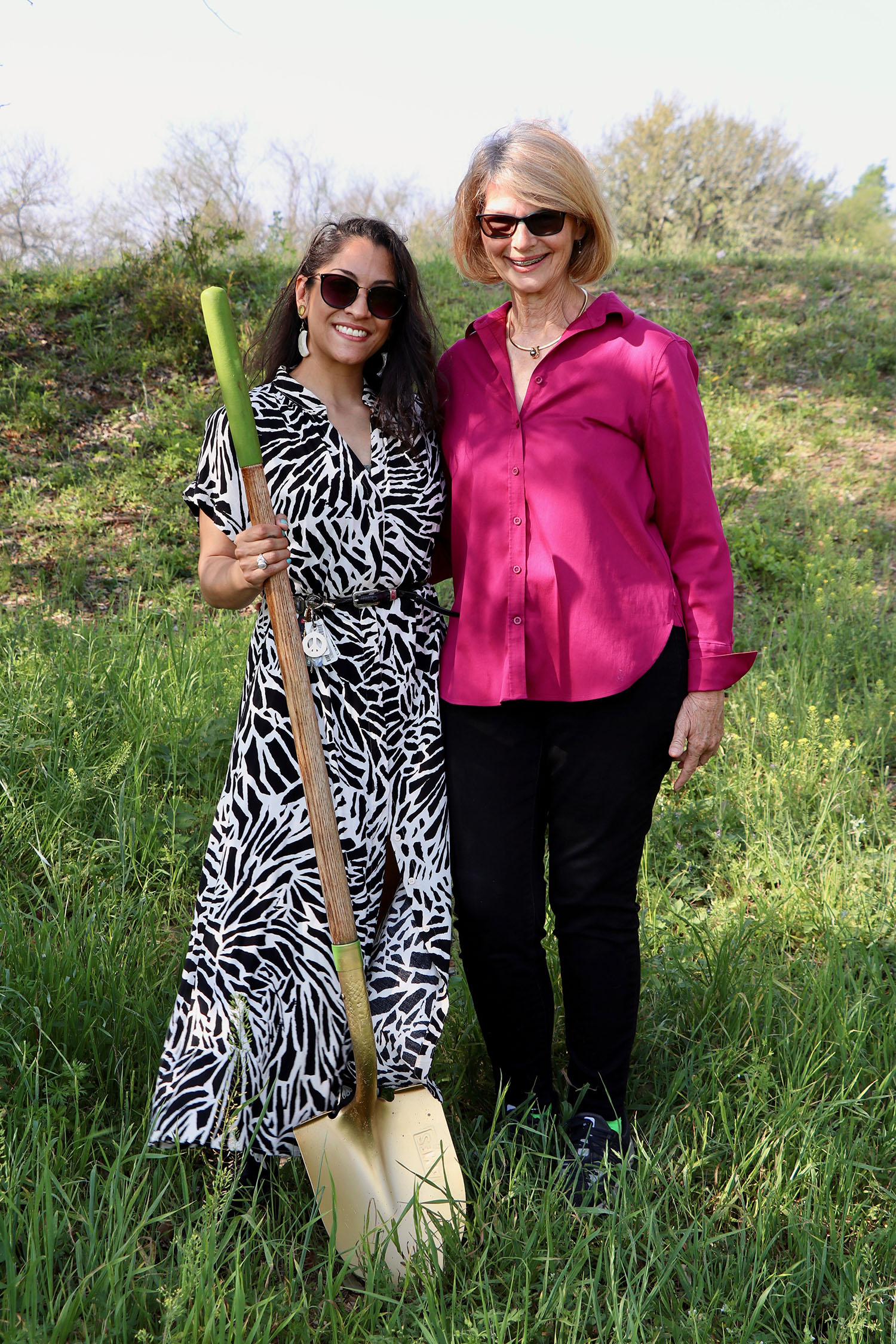
Texas has seen a growing number of cemeteries dedicated to green burials, reflecting a deepening respect for the environment alongside traditional practices. At the heart of this movement is Countryside Memorial Park, located just outside San Antonio in LaVernia. This park doesn’t just offer a resting place—it offers a promise to honor life through ecological preservation. The gentle rolling meadows and native trees provide more than a backdrop; they create a living legacy that helps return loved ones naturally to the earth.

What sets Countryside apart isn’t just its beauty but the holistic support it offers by connecting families with independent funeral directors who specialize in natural burial, ensuring every step respects both law and nature.

The experience at Countryside Memorial Park highlights an often overlooked benefit of natural burial sites: peace of mind through transparency and preparation. Families can visit beforehand to select plots, understand the processes involved, and even personalize memorial elements like hand-engraved stone markers paired with bespoke musical tributes—small touches that weave dignity into simplicity.

This level of care echoes the philosophy that “death came with loving care; The opening bud to heaven conveyed,” as poet Samuel Taylor put it. Such cemeteries invite reflection not just on loss but also on renewal.

Moving beyond San Antonio, Eloise Woods Community Natural Burial Park near Austin expands on these principles with diverse options such as biodegradable caskets and shroud burials made from all-natural materials. The park’s commitment runs deeper than aesthetics; it includes stringent sustainability practices aimed at fostering biodiversity—allowing wildlife to flourish undisturbed while honoring human lives in harmony with nature.

Their reputation arises from balancing practical concerns like plot prices and interment fees against thoughtful design, ensuring families can make choices aligned with both budget and values.

It’s important to explore your options carefully when considering green burials since each cemetery’s offerings and costs vary significantly. Places like Ethician Family Cemetery and Our Lady of the Rosary Cemetery in Georgetown provide alternative landscapes and price points — often influenced by location, amenities, and conservation strategies.

For example, rural cemeteries typically offer more affordable plots compared to urban settings where land scarcity drives up costs. Plot fees might range anywhere from $300 to upwards of $1,400 depending on these factors, while overall burial costs remain significantly lower than traditional methods thanks to reduced use of embalming fluids or concrete vaults.

Cemetery Location Plot Fee Range Notable Features
Countryside Memorial Park LaVernia (near San Antonio) $300 – $1,200 Licensed directors specializing in green burial, personalized services
Eloise Woods Natural Burial Austin $600 – $1,400 Biodegradable caskets & shrouds, focus on sustainability
Ethician Family Cemetery Georgetown $300 – $1,000 Rural pricing advantage
Our Lady of the Rosary Cemetery Georgetown Varies Traditional & eco-friendly hybrid options

When visiting these parks it pays dividends to ask specific questions about their green burial process: How do they handle grave digging without machinery? Are chemical preservatives or vaults involved? What memorial options are available? Learning these details allows for informed decisions that honor not only your loved one’s wishes but your own environmental conscience.

With an understanding of where you can find eco-conscious resting places, it’s crucial to also grasp the regulatory landscape that governs these practices throughout Texas before making final arrangements.

Texas Burial Laws and Requirements

Texas embraces a set of straightforward but essential rules designed to govern how burials are conducted throughout the state. These laws reflect a balance between public health concerns and respect for individual wishes.

For example, while embalming—preserving the body with chemicals—is not legally required in Texas, there are clear expectations about how soon a burial must take place. Specifically, burials need to occur within 24 hours unless the body is properly refrigerated. This guideline helps prevent health risks associated with delayed interment, especially in regions where high temperatures can accelerate decomposition.

Moreover, if you’re planning to bury your loved one on private property or a family-owned plot, it’s crucial to follow local zoning regulations. These vary by county but generally cover things like minimum lot sizes, acceptable distances from water sources, and other environmental safeguards.

The local Health Department is your primary resource here; they can guide you through compliance requirements so you don’t unknowingly violate any codes. This step ensures that private burials do not pose hazards to groundwater or neighboring properties, safeguarding both families and communities.

When preparing for a burial, obtaining the proper permits and documentation is foundational. The death certificate must come from a licensed physician or medical examiner—it confirms cause of death and legalizes the handling of remains.

Alongside this, a burial transit permit is required for transporting the deceased from one location to another, ensuring authorities track bodies responsibly throughout the process.

If you engage a funeral director or professional service—such as those connected with natural burial providers near San Antonio—they often handle these administrative tasks on your behalf. However, understanding these requirements yourself can ease stress and invite greater control over your choices.

The critical documents you’ll need include:

  1. Death Certificate – Issued by medical authority confirming death.
  2. Burial Transit Permit – Required for lawful movement of remains.
  3. Compliance with Zoning Laws – Verified through local health or county offices depending on burial site.

These legal steps serve an important dual purpose: protecting public health by regulating how bodies are handled after death, and ensuring that each individual’s final resting place maintains dignity and order within the community.

While handling paperwork might feel tedious amid emotional times, embracing these processes provides peace of mind knowing everything proceeds respectfully and lawfully.

Understanding Texas’ legal landscape lays groundwork for making informed choices about burial options—especially when considering environmentally conscious alternatives like green burial at places such as Countryside Memorial Park near LaVernia, Texas. These options honor both legal requirements and ecological values seamlessly.

Benefits of Choosing Green Burial

Choosing green burial goes far beyond a simple alternative to traditional methods; it represents a conscious decision to honor life in its most natural state. One of the most powerful benefits is its environmental stewardship. Each year, conventional burials in the United States consume nearly 1.5 million tons of concrete and over 4 million gallons of embalming fluid. These materials do not break down naturally, often releasing toxins into the soil and water systems while occupying land indefinitely.

In contrast, green burial practices rely on biodegradable materials such as untreated wood or woven fiber caskets and natural cotton shrouds, which accelerate decomposition and enrich the soil — essentially giving back to the earth.

This ecological harmony also plays a practical role in resource conservation. Without concrete vaults or chemical embalming fluids, green burial significantly reduces carbon footprints. The absence of heavy machinery typically needed for traditional burial setups further lowers energy consumption.

This translates directly into a smaller environmental impact that aligns closely with eco-conscious values many families hold today.

The appeal of green burial extends into economic benefits as well.

Financially, green burial offers notable savings over conventional funerals. Across the U.S., an average traditional burial costs around $7,848, factoring in expensive caskets, embalming, vaults, and service fees. On the other hand, a natural burial generally falls between $1,500 and $4,000 depending on location and services chosen.

This affordability stems from simplified procedures—omitting costly chemical treatments and elaborate casing—and often lower cemetery plot fees at natural burial grounds like Countryside Memorial Park near San Antonio.

This cost-effectiveness also means that more families can plan thoughtfully and confidently for their final arrangements without undue financial strain. Choosing green burial doesn’t mean sacrificing dignity or ceremony; rather, it opens opportunities for meaningful personalization rooted in respect for nature’s cycles.

“Green burial connects us to the natural cycle of life and death, offering deep emotional solace.” — Chrysta Bell Zucht, steward of Countryside Memorial Park

The emotional and ethical dimensions of green burial cannot be overstated. For many bereaved families, there is comfort knowing their loved one’s body returns naturally to the earth—without toxins or barriers—participating in the cycle of decay and rebirth that supports new life.

This perspective fosters a profound connection with nature and legacy, creating space for healing and reflection unlike any conventional method.

Furthermore, green burial honors cultural values centered on simplicity, sustainability, and reverence for life’s impermanence. It affirms a belief system where death is not an end but a transformation, encouraging communities to embrace death with openness rather than fear.

Understanding these compelling benefits sets the stage for appreciating how natural burial unfolds in practice — a process rich with intention and care at every step.

Steps in the Natural Burial Process

The journey toward a natural burial often begins long before the moment of passing—starting with thoughtful pre-planning that alleviates future burdens. Choosing and reserving a burial plot ahead of time offers not only peace of mind but also guarantees your place within a serene green space, like Countryside Memorial Park near San Antonio. This foresight eliminates last-minute pressure on loved ones and respects both personal wishes and environmental values.

Equally important is selecting a funeral director who understands the nuances of natural burial. At Countryside Memorial Park, clients are connected with licensed independent directors skilled in facilitating green burials with dignity and compliance to local laws. These professionals guide families through the heartfelt decisions involved, ensuring procedures honor eco-friendly practices without unnecessary chemical embalming or non-biodegradable materials.

When it comes to burial materials, making choices consistent with ecological preservation is key. Biodegradable shrouds or caskets crafted from natural fibers or woods break down naturally, returning gently to the soil. Families should verify their selections comply with cemetery policies — some places strictly prohibit synthetic materials to maintain the green integrity of the site. Proper alignment between chosen materials and cemetery guidelines helps support the delicate balance of life, decay, and rebirth fostered by green burial.

At the moment of interment, logistics become crucial: preserving the body’s condition without embalming means maintaining cool temperatures if there’s any delay between death and burial. Transportation directly to the cemetery avoids chemical treatments that traditional burials usually require, thereby upholding the cycle of natural decomposition. This step highlights nature’s role as caretaker—allowing the body simply to return as nourishment for new life.

Finally, commemorative acts provide powerful ways for families to honor their loved ones while supporting ongoing ecological health. Many choose to plant native trees or install hand-engraved natural stone markers made available at parks like Countryside Memorial. These living memorials do more than remember; they enrich soil quality, encourage wildlife habitat, and symbolize continuity—a true celebration of life intertwined with nature itself.

“Death came with loving care; The opening bud to heaven conveyed, and bade it blossom there.” – Samuel Taylor

Looking closely at these steps highlights distinct practical and philosophical differences compared to conventional burial methods. Understanding these contrasts paves the way for a clearer appreciation of why eco-conscious individuals often favor greener alternatives moving forward.

Comparing Green and Traditional Burials

When we think about burial options, the differences between green burials and traditional ones extend far beyond surface appearance; they impact the environment, the wallet, and personal values tied to death rituals. Traditional burials rely heavily on materials like steel caskets, concrete vaults, and embalming fluids—substances that introduce toxins and consume vast natural resources. For example, annually in the United States alone, over 100,000 tons of steel are used for casket production. That’s a staggering figure when you consider the scarcity and energy required to produce these materials.

In contrast, green burials emphasize returning the body to the earth naturally, using biodegradable shrouds or wooden caskets free from chemical preservatives. This method not only reduces waste but actively supports environmental cycles of decay and renewal. The absence of embalming fluids means no harmful chemicals leach into surrounding soil or groundwater, preserving ecosystems rather than disrupting them.

This ecological advantage corresponds closely with cost savings that often come as a welcome surprise to families exploring burial options.

The financial side of green versus traditional burial differs sharply. Traditional burials come with an average price tag of around $7,848, according to recent national data—a sum covering expensive caskets, vaults, embalming services, and cemetery fees. Meanwhile, green burials tend to be significantly more affordable, typically ranging from $1,500 to $4,000 depending on location and chosen services. This affordability reflects both simpler preparation practices—such as foregoing embalming—and the use of natural materials that do not require industrial manufacturing.

Cost is naturally sensitive during times of loss, but beyond expense lies the deeply personal terrain of cultural traditions and individual beliefs about death and remembrance.

Some people gravitate toward traditional burials because they provide familiarity: ornate caskets, formal services marked by long-established rituals, and physical markers like marble headstones that many find comforting or significant. These conventions carry decades—or even centuries—of cultural weight, binding communities through shared practices.

However, many families drawn to green burial hold values rooted in environmental stewardship or spiritual perspectives that emphasize harmony with nature. For them, simplicity in funeral arrangements doesn’t mean less dignity; it means honoring life by minimizing harm after death. They appreciate how green burial ceremonies often encourage personalized memorials such as planting native trees or using hand-engraved natural stone markers that blend seamlessly into peaceful landscapes like those found at Countryside Memorial Park near San Antonio, Texas.

“Death came with loving care; The opening bud to heaven conveyed, and bade it blossom there.” — Samuel Taylor

In weighing these factors—the environmental footprint, financial impact, and cultural resonance—the choice between green and traditional burial emerges not just as a logistical decision but as a reflection of core values about life’s end and what legacy one wishes to leave behind.

With this understanding of both methods’ benefits and challenges, families in Texas can approach natural burial with confidence that they’re making a respectful choice aligned with their needs and beliefs.

Choosing between green and traditional burial allows individuals and families to honor their personal values while considering environmental stewardship and cost-effectiveness. In Texas, embracing eco-friendly options contributes thoughtfully to preserving nature for future generations.