
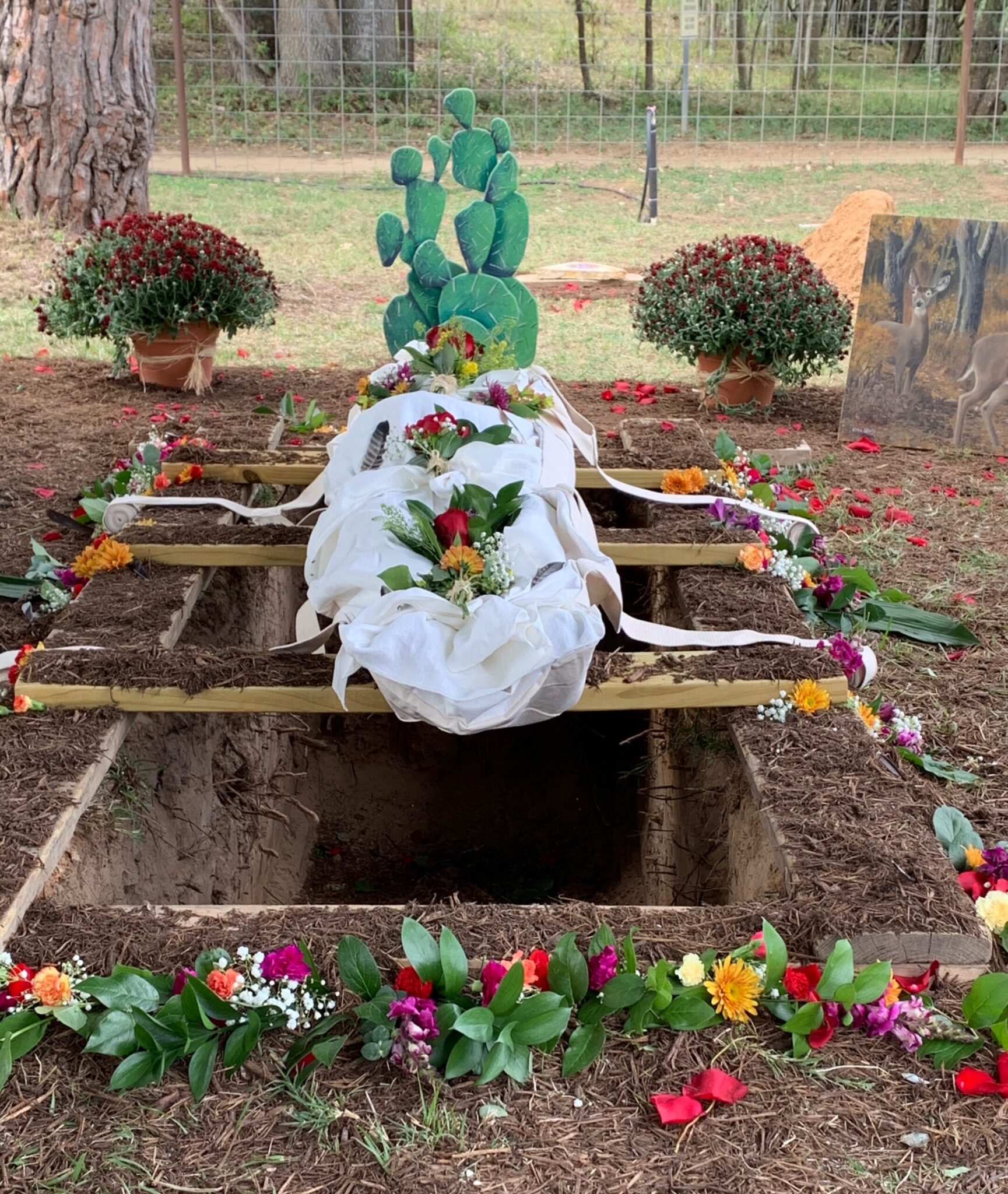
Thinking about a burial might not be the easiest topic, but choosing how we say goodbye can make a real difference—not just for our loved ones but for the planet too. Natural burials in Texas offer a simple and gentle way to return to the earth without harmful chemicals or materials, helping preserve nature while honoring those we care about deeply. If you’re curious about what green burials mean, how they work here in Texas, and where to find respectful places to lay your loved ones to rest, this guide will walk you through all you need to know.
Natural burial in Texas refers to an environmentally conscious method of laying loved ones to rest without embalming chemicals, metal caskets, or concrete vaults, allowing the body to naturally return to the earth. At Countryside Memorial Park near San Antonio, we offer affordable, dignified green burial plots and connect you with independent funeral directors specializing in natural burial, ensuring a meaningful and eco-friendly remembrance that respects both your loved ones and the environment.
Legal Guidelines for Natural Burials in Texas
Texas permits natural burials but recognizes the importance of regulating them to protect public health and the environment. Each county may have its own specific rules, making it crucial to check local ordinances before proceeding.
Generally, one of the most common regulations involves the required depth of interment. This requirement isn’t arbitrary; it serves to prevent disturbances by wildlife and to ensure safe decomposition underground without risking contamination of soil or groundwater. For example, Harris County mandates a burial depth of no less than four feet, reflecting its commitment to preserving water quality in an area with dense urbanization. This rule emphasizes that even when choosing a green burial, environmental safeguards remain paramount.
Beyond these practical considerations, the process also involves navigating paperwork to stay compliant with state laws.
Permits and proper documentation form another key element in legally conducting a natural burial in Texas. Before laying your loved one to rest—whether on private land or within a designated green cemetery such as Countryside Memorial Park—you must secure a burial permit through the county clerk’s office. This paperwork confirms that authorities acknowledge and approve the final resting place.
If your chosen site is on private property, you might also need a detailed land survey to verify that the burial plot lies within your property boundaries. This step protects you, your family, and future owners from confusing or illegal grave sites down the line.
Navigating these requirements may seem daunting at first glance, but many cemeteries specializing in natural burials make this process straightforward by guiding clients through each step.
For instance, at Countryside Memorial Park near San Antonio, consultation with knowledgeable staff ensures all legalities are met so you can focus on honoring your loved one’s memory rather than paperwork stress.
After fulfilling legal obligations, it becomes clear how natural burials seamlessly blend respect for both loved ones and the land they return to.
These legal guidelines ultimately support the core philosophy behind natural burial: a dignified farewell that harmonizes human remains with nature’s cycles. By following mandated depths and securing permits, families contribute to environmental stewardship while embracing simpler, more sustainable burial practices—an ethos embodied by dedicated green cemeteries across Texas.
“Natural burial isn’t just about going back to earth; it’s about doing so responsibly,” explains Chrysta Bell Zucht, steward of Countryside Memorial Park. “The legal framework ensures our green resting places honor both nature and community health.”
Understanding these regulations empowers families to plan meaningful burials without surprises or complications, allowing them to focus on what matters most—a peaceful place for remembrance rooted deeply in eco-conscious values.
With these foundational guidelines in place, we can now examine how embracing natural burials actively contributes to positive environmental outcomes and ecological balance.
Environmental Benefits of Green Burials
Green burials stand apart because they embrace nature’s own recycling system, allowing the body to return directly to the earth without synthetic interference.
Unlike traditional burial practices that employ embalming chemicals and non-biodegradable caskets, green burials avoid materials like formaldehyde, concrete vaults, and metal fixtures—elements that can pollute soil and groundwater for decades.
The absence of these toxins prevents harmful seepage into our precious ecosystems, effectively keeping the land cleaner and safer.
Another pivotal advantage lies in carbon footprint reduction. Traditional cremation emits roughly 540 pounds of CO2 per body. By contrast, green burials, especially those integrated with native tree plantings or natural reforestation efforts, act as carbon sinks rather than sources.
A single mature tree planted at a green burial site can absorb up to 48 pounds of CO2 annually. This simple yet profound cycle means that green burial sites don’t just halt environmental harm—they actively reverse some of it by fostering ongoing carbon capture through thriving vegetation.
Beyond lessening carbon emissions, green burials support local ecosystems in meaningful ways that benefit biodiversity and soil health.
- Nutrient Cycling: The natural decomposition process returns essential nutrients such as nitrogen, phosphorus, and potassium back to the soil. These nutrients nourish surrounding plants and trees, enhancing growth in a way synthetic chemicals never could.
- Habitat Preservation: Many green burial parks serve double duty as protected wildlife habitats. These spaces offer sanctuary for birds, pollinators, and small mammals, preserving biodiversity endangered by urban development.
- Soil Enrichment: Over time, the organic matter from decomposed remains improves soil structure, increases moisture retention, and encourages beneficial microbial activity. This creates healthier soil that supports robust plant life and a balanced ecological community.
The beauty of these benefits is their compound effect over years. What starts as one biodegradable burial contributes incrementally to a greener landscape that feels alive—not sterile—and honors both the deceased and the planet alike.
“Choosing a green burial is not simply an eco-friendly final farewell; it is embracing a legacy of renewal,” notes Chrysta Bell Zucht of Countryside Memorial Park near San Antonio.
For families seeking both dignity and sustainability in their end-of-life choices, these environmental advantages make a compelling case. Green burial options respect loved ones while nurturing the earth—preserving its vitality for generations ahead.
If you’re considering a natural burial, sit down with your local green cemetery staff or funeral directors who specialize in these practices. Understanding how your choice influences soil health and ecosystem well-being adds depth to this profoundly personal decision.
By investing in green burial options like those offered at Countryside Memorial Park, you contribute not only to preserving memories but also to cultivating lasting environmental stewardship—where life, death, decay, and rebirth harmonize naturally.
With a clear understanding of how green burials benefit both our environment and values, it’s helpful to explore where these practices flourish across Texas. What follows is an overview of notable sites embracing this respectful and sustainable approach to burial.
Top Cemeteries for Natural Burials in Texas
Numerous cemeteries across Texas are dedicated to natural or green burials, each with its distinct character and offerings.
Among these, Countryside Memorial Park, near San Antonio, stands out not only for its eco-friendly philosophy but also for its accessible, personalized approach. The park blends into the natural landscape around LaVernia, providing a peaceful setting where loved ones can rest without disrupting the environment.
Chrysta Bell Zucht, who oversees the park, often emphasizes their mission: “We aim to preserve nature’s beauty while offering dignified burial options that respect both people and the planet.” This heartfelt commitment translates into burial plot fees generally ranging from $300 to $1,400 — an affordable alternative compared to traditional sites, especially considering that the entire process supports sustainability.
Just a bit east lies Eloise Woods Community Natural Burial Park in Cedar Creek, which takes a somewhat different approach with a strong focus on community conservation.
Their single plots start around $2,800, reflecting added amenities and stewardship programs ensuring the land remains protected and vibrant for future generations. This site demonstrates how a natural burial ground can be both a resting place and a living testament to preserving local ecosystems.
Many families also find themselves drawn to cemeteries like Bluebonnet Hills in Alverado because of the serene landscapes specifically designed for those choosing green burials.
Its quiet spaces offer natural markers and memorial trees rather than headstones, fostering a deeper connection between memory and nature. Pricing may vary depending on plot selection and features such as benches or memorial trees, but these places consistently promote low-impact land use alongside thoughtful ceremonies.
When selecting a natural burial cemetery, balancing accessibility, environmental ethos, cost, and personal preferences can feel complicated.
It’s wise to visit multiple parks if you can—to get a tangible sense of place—and ask detailed questions about how they manage upkeep, support biodiversity, and involve families in care decisions. Also inquire about connections with funeral directors who appreciate green burial practices since this partnership can ease planning.
Finding the right resting place is only part of the journey; equally important is identifying compassionate professionals who understand and honor your commitment to environmentally responsible farewells.
Choosing a Natural Burial Provider
When you begin exploring natural burial providers, the first thing to remember is that not all providers are created equal. A skilled provider will not only facilitate an eco-friendly interment but will also ensure the process is legally compliant and respectful.
This is crucial because natural burials are governed by specific regulations intended to protect both the environment and public health. Finding someone with experience in these nuances helps everything flow smoothly, sparing families unnecessary stress during a difficult time.
One practical approach is to start your search by reaching out to local green burial advocacy groups or trusted organizations such as the Green Burial Council.
These groups often maintain updated lists of reputable providers who specialize in environmentally sustainable burials. Their recommendations can range from providers offering simple shroud burials, where the body returns directly to the earth unencumbered by metal or plastics, to those incorporating meaningful elements like planting native trees above the grave site—symbolizing life’s renewal.
But while endorsements help narrow your options, evaluating a provider’s specific practices reveals whether they are genuinely committed to green principles or merely adopting them as a marketing angle.
Evaluating Provider Practices
Begin by verifying their experience and certifications. Reputable natural burial providers typically hold credentials from recognized institutions such as the Green Burial Council or state regulatory bodies overseeing cemeteries.
Certifications indicate adherence to strict environmental standards and ethical business practices. Equally important is gauging their history—how many green burials have they conducted? Longevity and consistency speak volumes about reliability and expertise.
Price transparency is another critical aspect. The best providers offer clear, itemized pricing without surprises down the line. A breakdown will often include plot fees, interment charges, and any ancillary services like biodegradable caskets or memorial tree plantings.
Be wary of providers who are vague on costs or tack on hidden fees—transparency in this area reflects respect for clients and avoids costly misunderstandings.
Customer feedback provides invaluable insight into how a provider treats families and manages logistics. Online reviews, testimonials, or even direct conversations with past clients shed light on responsiveness, compassion, and professionalism.
In this deeply personal process, trustworthiness matters as much as technical competence.
Understanding these qualities prepares you to appreciate how natural burials diverge from traditional ones—not only in cost but in philosophy and experience.
Unlike conventional burials that often involve elaborate caskets, vaults, and chemical embalming, natural burials emphasize simplicity and ecological harmony. Providers should be well-versed in steering families through choices aligned with these values—whether it’s selecting a biodegradable container or choosing a resting place amid native plants that nourish local wildlife.
A knowledgeable provider respects these preferences rather than pushing standard funeral industry practices.
If you’re considering Countryside Memorial Park near San Antonio, Texas, for example, you’ll find that our team embraces this ethos fully. We prioritize dignity and sustainability while connecting families with licensed independent funeral directors experienced in green burials.
This ensures your wishes—or those of your loved ones—are honored exactly as intended, with no unnecessary additions or compromises.
“Choosing a provider who shares your commitment to environmental stewardship transforms the burial from a final act of loss into an enduring legacy of life.”
Taking the time to choose a thoughtful, transparent provider makes all the difference—not just for you and your family today but for the earth we leave behind tomorrow.
As we consider these aspects of natural burial providers’ roles, it’s essential to compare how their approach contrasts with traditional cemetery practices and costs. This sets the stage for a deeper look at differing burial philosophies and what they mean for families and the environment alike.
Comparing Traditional and Green Burials
Traditional burials often involve several processes and materials that may seem standard but carry hidden costs—both financial and ecological. Embalming uses formaldehyde-based fluids to temporarily preserve the body, introducing toxic chemicals into the soil. Sturdy metal caskets and concrete vaults are designed for permanence but certainly not biodegradability. These materials linger underground for decades, disrupting natural cycles.
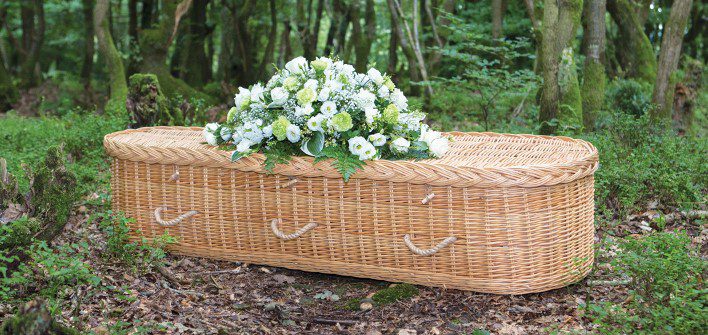
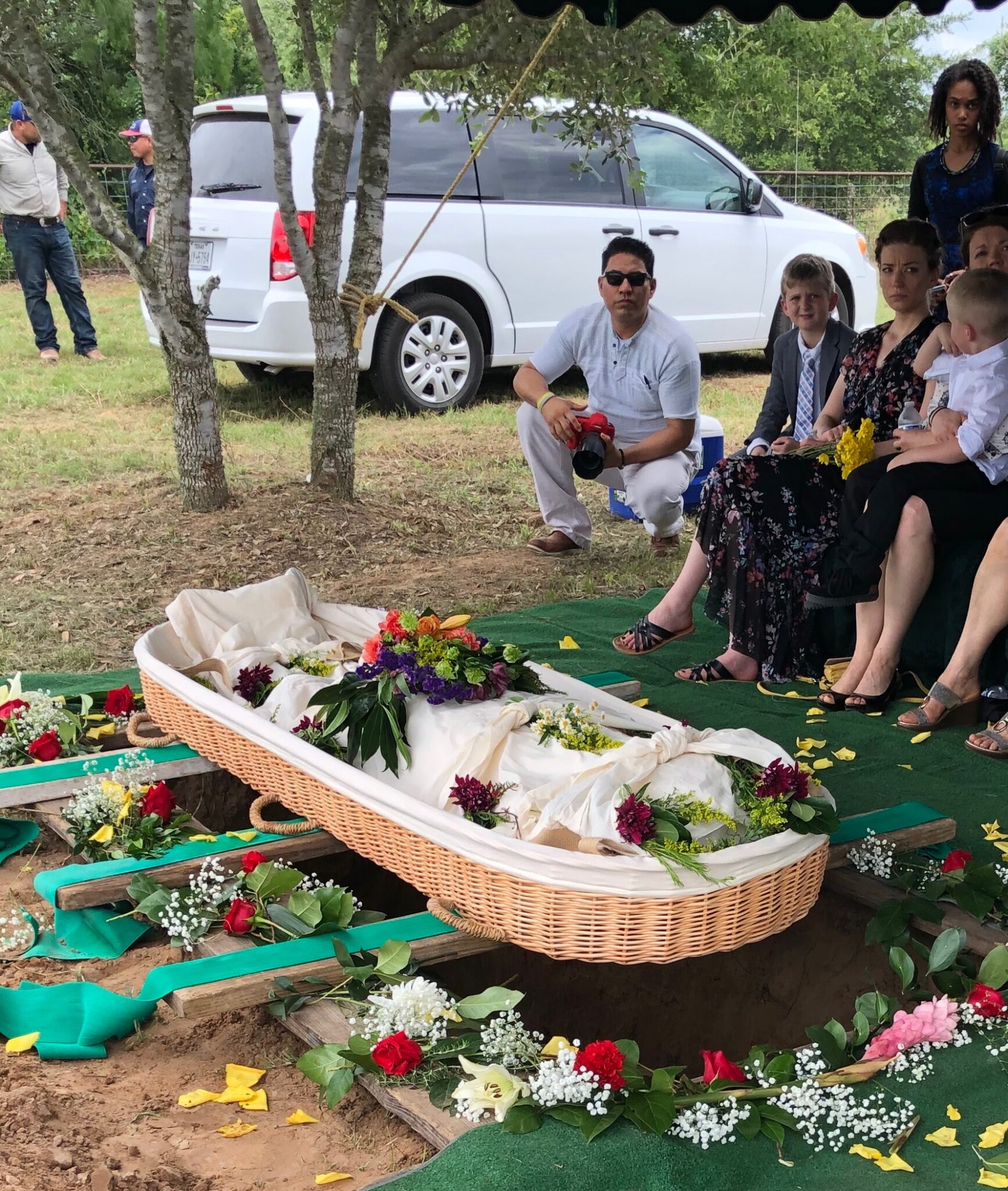
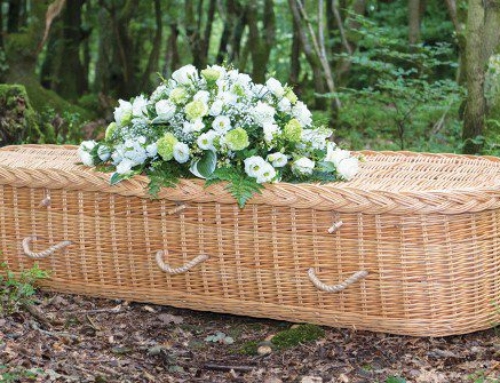
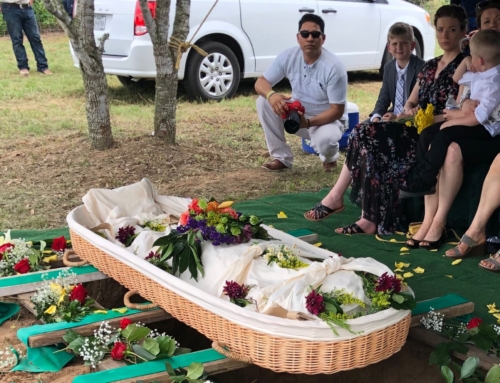
In contrast, green burials emphasize simplicity and harmony with nature. Biodegradable shrouds or caskets made from willow, bamboo, or untreated pine allow the body to return naturally to the earth without leaving lasting synthetic residue.
The financial differences between these two approaches are striking. According to recent statistics, traditional burial averages $7,848 nationwide, driven largely by embalming fees, elaborate casket costs sometimes reaching $10,000, and vault installation charges.
Green burial costs generally range between $1,500 and $4,000—a more affordable and transparent expense structure. For example, biodegradable caskets might cost as little as $50 for simple cardboard coffins, rising to around $1,500 for wicker variations that add a handcrafted touch while remaining environmentally sound.
Beyond cost savings, the true value of green burial lies in its environmental stewardship. The carbon footprint tied to traditional methods is far greater due to several factors: chemical preservatives infiltrate soil and groundwater; manufacturing caskets and vaults consumes energy-intensive resources; transportation logistics grow more complex with heavier materials.
It’s an ecosystem-wide impact that many don’t realize when making final arrangements. Green burials circumvent these pitfalls by avoiding chemical use altogether and opting for sustainable materials that naturally decompose within months or years. This process supports soil health rather than impairing it.
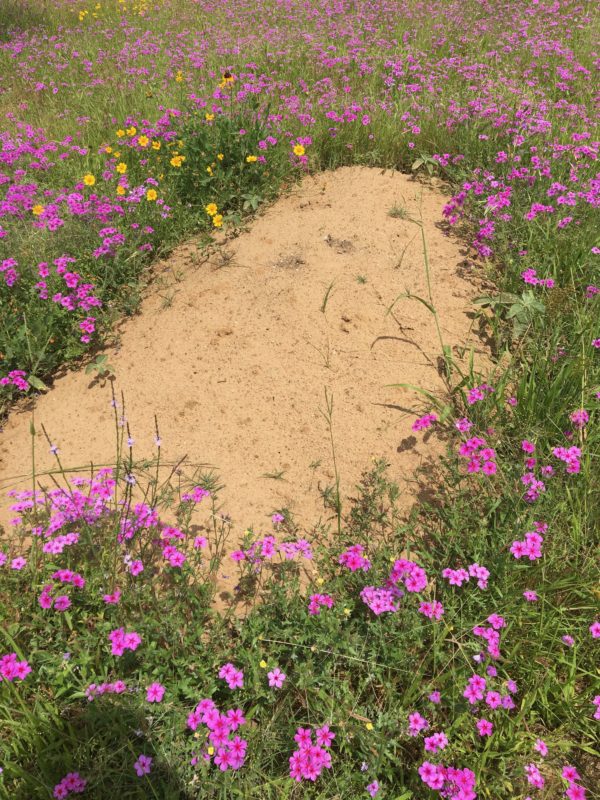
When you factor in conservation efforts embedded in many green cemeteries—such as planting native species and preserving habitats—the environmental advantages multiply further. These practices not only foster biodiversity but also create living legacies where loved ones rest beneath trees or wildflowers rather than cold stone.
Moving forward, examining how conservation initiatives align with burial traditions across Texas reveals evolving practices committed to protecting both heritage and habitat.
Conservation Efforts and Burial Practices in Texas
In Texas, where wide-open spaces and rich natural habitats define the landscape, conservation-oriented burial practices have blossomed alongside growing awareness of environmental responsibility. Cemeteries like Countryside Memorial Park stand out by integrating eco-friendly methods that respect the native ecosystem rather than disrupting it.
Instead of conventional landscaping—often reliant on imported plants, fertilizers, and pesticides—these green cemeteries embrace native flora which naturally supports local wildlife and requires minimal water and maintenance.
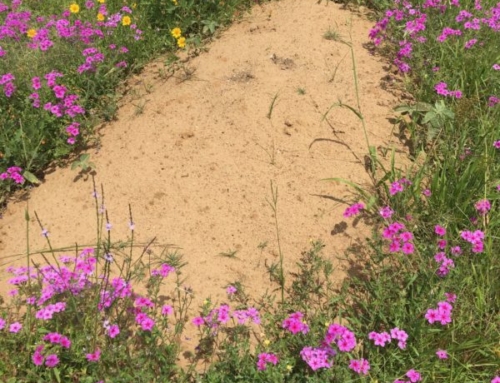
For instance, Countryside Memorial Park works closely with environmental groups to ensure that its grounds flourish without harmful chemical interventions. This practice isn’t merely about aesthetics; it’s about creating a living space where nature can thrive alongside human remembrance. Native prairie grasses, wildflowers, and trees are planted thoughtfully to encourage biodiversity, avoid invasive species, and reduce soil erosion, helping the land recover and sustain itself over time.
| Cemetery | Conservation Efforts |
|---|---|
| Countryside Memorial Park | Native plant landscaping |
| Eloise Woods | Wildlife habitat preservation |
| Bluebonnet Hills | Reforestation projects |
These localized initiatives reflect a broader ethos where green burial sites become sanctuaries for conservation as much as memorials. The choice to bury loved ones in such locations transcends personal legacy—it contributes tangibly to the ecological health of the community.
Beyond planting native species, conservation cemeteries often implement strategies such as limiting lawn mowing to protect ground-nesting birds or avoiding bright lighting that disrupts nocturnal wildlife. Such small but consistent acts demonstrate how burial practices can harmonize with natural cycles instead of imposing a maintenance-heavy footprint on the landscape.
When families select a cemetery focused on conservation, they partake in an enduring environmental legacy that extends beyond individual remembrance.
For those considering natural burial in Texas, visiting parks like Countryside Memorial Park offers the opportunity to see firsthand how these principles transform sacred spaces into vibrant ecosystems. Interested individuals can meet with staff to ask questions about planting practices, sustainable site management, and how their own burial choices can support ecological restoration.
Such informed decisions can help reduce the carbon footprint traditionally associated with burials—the energy used in embalming chemicals, concrete vaults, and manicured lawns is significant. Green cemeteries minimize these impacts by eliminating synthetic materials and promoting natural decomposition processes which return nutrients to the soil.
Chrysta Bell Zucht, steward of Countryside Memorial Park, emphasizes that “each burial here is part of a cycle—life feeding life—in harmony with Texas’s unique landscapes.”
This philosophy ties closely to the state’s broader environmental goals by preserving pockets of native habitat corridors amid expanding urbanization. Ultimately, conservation-minded burial sites serve dual purposes: they honor the departed while revitalizing ecosystems.
Families looking for meaningful ways to intertwine memory with nature should explore green burial options near San Antonio and beyond. By choosing cemeteries committed to conservation efforts like those at Countryside Memorial Park (contactable anytime at (512) 203-9739), they join a growing movement toward honoring both loved ones and the land they once treasured.
Embracing natural burial in Texas not only preserves cherished memories but actively nurtures the environment for future generations—turning places of rest into thriving habitats that celebrate life’s enduring cycle.
 Chrysta Bell Zucht is an internationally known Actor, Musician and the Steward of Countryside Memorial Park. She has always shared her father’s passion for Natural Burials, and upon his unexpected death in 2009 had the soul-satisfying experience of giving him the green burial he had always wanted. She remains deeply dedicated to Countryside and has vowed to continue to offer it as a serene, peaceful place for eco-conscious families to bury, memorialize and celebrate their Beloveds.
 Music adds a memorable and deeply moving element to any ceremony, especially if it is music that your Loved One loved.