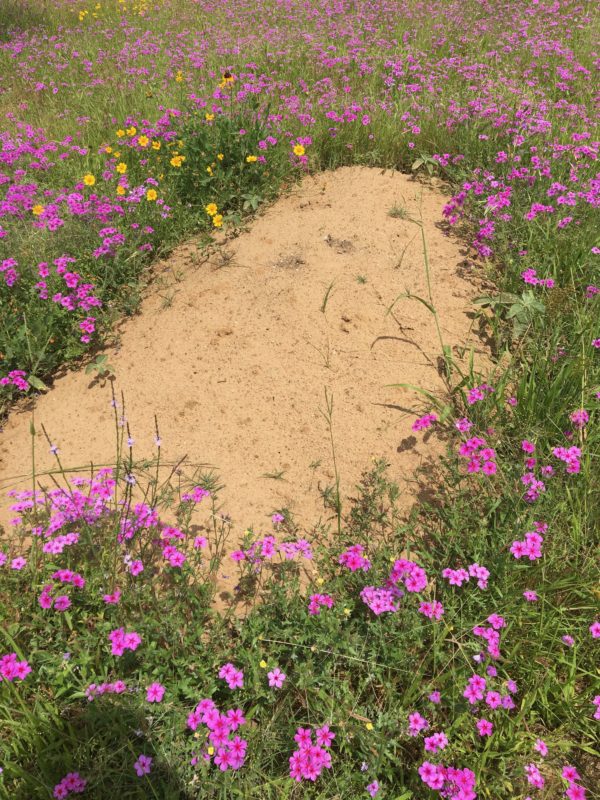


When it comes to planning a burial, cost and environmental impact are probably at the forefront of your mind. Green burials offer a way to say goodbye that’s gentle on both your wallet and the planet. They strip away many traditional expenses by focusing on simple, natural practices that help the earth instead of harming it. If you’ve been curious about how much a green burial really costs and what factors influence the price, this guide breaks it all down in an easy-to-understand way—so you can make choices that feel right for you and your family.
The cost of a green burial typically ranges from approximately $500 to $5,000 depending on location and services selected. On average, green burials cost around $2,500, which is significantly less than traditional funerals due to the elimination of embalming, metal caskets, and grave liners.
Factors Affecting Green Burial Costs
Location plays a crucial role in shaping the price of a green burial. In densely populated urban centers, the high demand for land combined with limited space naturally drives up plot prices. For instance, places like New York City or San Francisco often see starting costs near or above $2,000 simply because land is scarcer and more expensive to maintain.
Conversely, rural areas—such as parts of Texas or Northern Pennsylvania—offer much more affordable options, sometimes as low as $300 to $1,000 for plot fees, primarily due to ample available acreage and lower upkeep expenses.
But location is just one piece of the puzzle. The type of burial ground you choose also affects cost significantly. Hybrid cemetery grounds blend traditional features with natural burial practices, offering a moderately priced choice—typically around $2,500.
On the other hand, conservation burial grounds demand a premium, often exceeding $5,000. This higher cost reflects not only the preservation and stewardship of fragile ecosystems but ongoing efforts to maintain wildlife habitats and native vegetation. Cemeteries engaged in dedicated environmental conservation pass those costs to families while providing a lasting positive impact on the landscape.
Beyond geography and cemetery designation, personalization options can add layers of expense that may surprise those new to the concept.
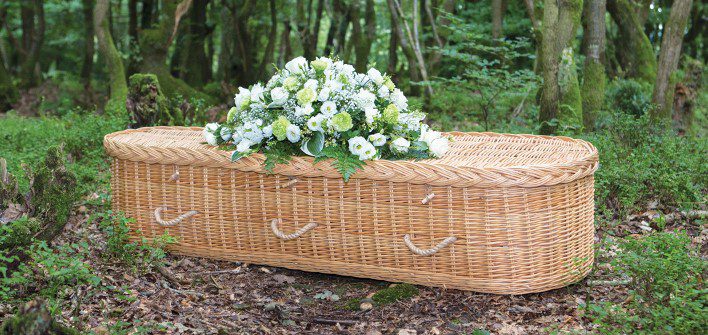
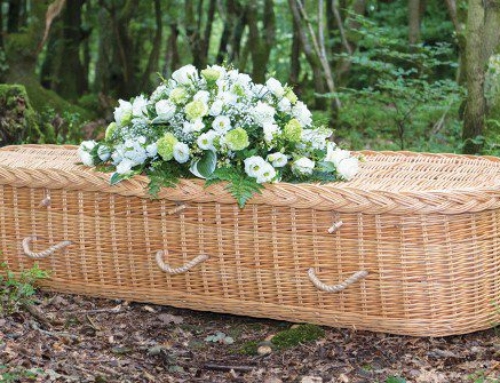
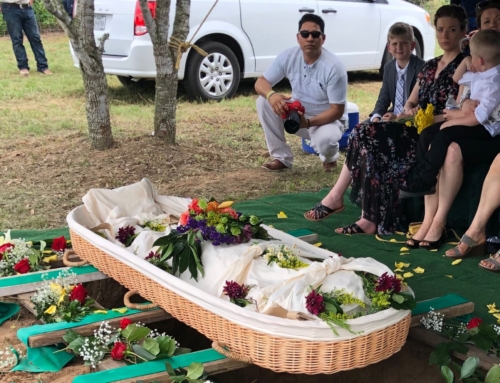
Customization represents another factor influencing overall green burial expenses. While simple biodegradable caskets made of pinewood or cardboard might cost between $50 and $1,500 depending on craftsmanship and materials, choosing a handcrafted wicker or bamboo casket will often elevate prices toward the upper end of that range due to their natural beauty and durability.
Additionally, some families wish to include personalized grave markers—perhaps a tree planted in memory or a bench—adding both sentimental value and maintenance responsibility, which reflects in the final price.
Importantly, these custom touches can transform a gravesite into a meaningful sanctuary but require upfront planning. For example, opting for a memorial tree or bench usually involves an initial purchase coupled with ongoing care fees funded by the cemetery. It’s worth considering how these choices resonate long-term against your ecological goals and budget constraints.
Once you’ve navigated location, cemetery type, and customization impacts on pricing, the next step is examining what services your chosen provider includes and how they might affect overall costs.
Services Included in Green Burials
At the heart of any green burial package lies a few straightforward services designed to honor the deceased while embracing eco-friendliness. First, there’s the preparation of the body, which notably excludes embalming. Instead of chemical preservatives, bodies are kept cool naturally or with minimal refrigeration to avoid disrupting the natural decomposition process.
This step is crucial because it aligns with the environmental ethic of green burials—letting nature take its course without introducing harmful toxins into the ground.
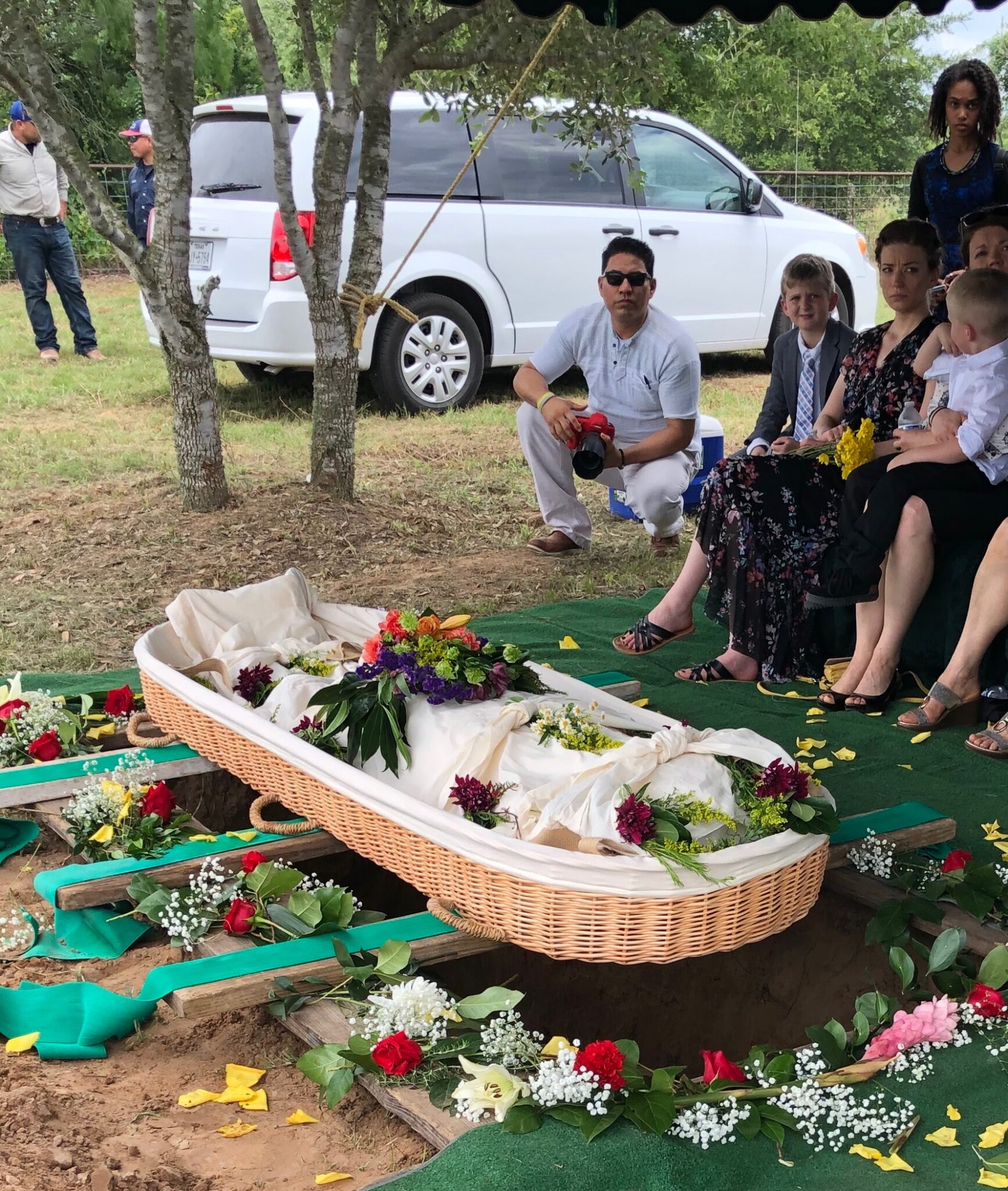
Next, biodegradable materials come into play. This isn’t just about picking any container but choosing carefully crafted shrouds or caskets made from wood, wicker, or cardboard that break down quickly and safely after burial.
These materials are organic and free from metal or plastic coatings that plague traditional caskets. This means your final resting place has minimal impact on the soil and surrounding ecosystem.
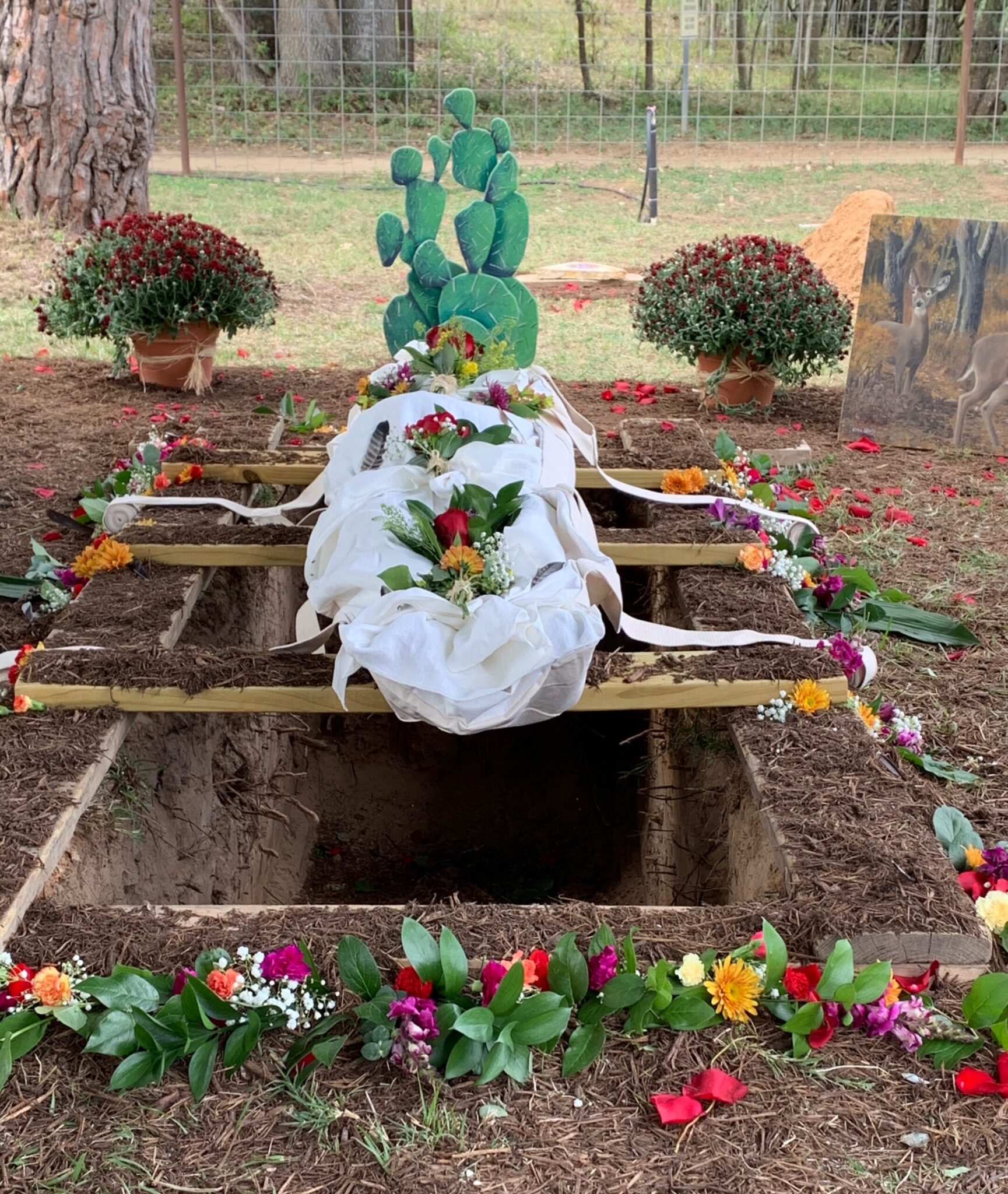
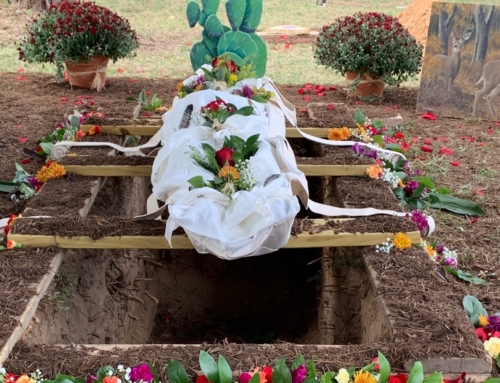
Another significant part is the gravesite preparation. Unlike conventional graves that often involve concrete vaults or liners, a green burial grave is dug more shallowly to facilitate natural soil interaction.
The process is simple yet precise; preparation includes digging and filling the grave by hand or using minimal machinery, which reduces fuel use and disturbance to the landscape.
Finally, most packages include a basic grave marker, but these tend to be minimalist and environmentally conscious. Instead of large granite headstones or elaborate monuments, you might find a small flat stone or even a tree planted in memoriam.
This choice fits beautifully with preserving natural aesthetics and supporting local flora.
These core offerings keep green burials not only affordable but true to their ethos—simplicity, stewardship of the earth, and reverence for life’s cycle.
Additional Options
Beyond these essentials, families can opt for several add-ons that personalize or enhance the experience without undermining ecological principles.
These might include family plot reservations, allowing multiple members to rest together in a conserved space.
For those wanting more hands-on guidance or special touches during ceremonies, hiring a green burial specialist is an option. Such experts ensure every detail respects both tradition and sustainability, typically adding around $700 to the total cost.
Other options can range from advanced preservation techniques that eschew chemicals yet extend viewing time, to eco-friendly ceremonial accessories like floral arrangements sourced locally or biodegradable urns if ashes are involved.
Prices for these extras can vary considerably but usually fall between $500 and $1,500 depending on complexity.
Understanding these elements offers a clearer picture of how green burials combine minimalism with meaningful choices—and how their pricing reflects that balance—but what about comparing them directly against traditional funeral services?
Comparing Costs: Green vs. Traditional Burial
When it comes to expenses, green burials generally provide a significantly more affordable alternative to conventional burials without sacrificing dignity or care.
One of the biggest cost differences lies in the casket and embalming services.
Traditional burials typically require heavy, often metal caskets that can run between $2,500 and $3,000, plus embalming services costing anywhere from $500 to $700 or more.
These costs add up quickly and reflect just a part of the total price tag, which averages around $10,000 for a full traditional service.
Green burials intentionally minimize these expenses by using biodegradable caskets or burial shrouds priced far lower—around $1,500 on average for eco-friendly caskets, with many simpler shrouds or cardboard boxes starting well below that.
Embalming is generally avoided altogether to preserve environmental integrity and cut down on costs.
This simplicity naturally leads to savings not only at the time of burial but also over the long-term since green burial grounds don’t require reinforced concrete vaults, which alone cost somewhere between $750 and $1,000 in traditional settings.
| Traditional Burial | Green Burial | |
|---|---|---|
| Average Total Cost | $9,995 | $2,597 |
| Casket | $2,500 – $3,000 | $1,500 (biodegradable options) |
| Vault | $750 – $1,000 (required) | N/A |
| Embalming | $500 – $700 (standard) | N/A |
Beyond the immediate financial picture, the environmental cost of a conventional burial also deserves attention.
Each year, about 5.3 million gallons of embalming fluid seep into the soil from traditional interments—fluid containing formaldehyde, a chemical both toxic and carcinogenic.
The heavy metals used in caskets and vaults further burden the earth as they slowly degrade over time.
This hidden ecological toll contrasts sharply with green burial practices that avoid such chemicals entirely and embrace natural decomposition.
Choosing green burial means saving an estimated 250 pounds of carbon emissions per burial compared to traditional methods, with some biodegradable graves actually sequestering carbon and helping regenerate soil health.
In this respect, green burials offer value that extends beyond immediate dollars—they represent stewardship of the environment for future generations.
For families seeking a meaningful farewell that balances cost efficiency with environmental responsibility, green burial provides an increasingly accessible option.
Many modern preserves even empower families to participate actively in the process—helping dig the grave or personalize memorials—bringing a level of connection and simplicity often lost in traditional funerals.
Understanding these financial and ecological benefits invites us to consider details behind one of the most important choices: the materials used. The next chapter will explore how various eco-conscious options contribute both beauty and biodegradability to final resting places.
Eco-Friendly Burial Materials
At the heart of green burial is a commitment to avoid anything that hinders nature’s process. That means no embalming chemicals, no metal caskets, and absolutely no plastics sealed in the ground. Instead, the focus turns to biodegradable materials that allow the body to gently return to the earth, nourishing it rather than polluting it.
Common choices include biodegradable caskets crafted from bamboo, wicker, untreated wood, or even recycled cardboard. These options serve the dual purpose of being both environmentally responsible and more affordable, usually ranging between $200 for simple cardboard models and up to $1,500 for artisanal bamboo or wicker designs. What makes these materials so effective isn’t just that they break down naturally; it’s that they also minimize soil disruption and chemical contamination, preserving the integrity of the surrounding ecosystem.
Additionally, instead of traditional grave markers made from polished granite or marble—which can cost around $2,000—green burials often use natural stones or simple wooden plaques. Some families choose to commemorate their loved ones with living memorials like trees or shrubs planted above the grave site. These markers average about $100 in cost but offer a tangible connection to nature that many find comforting.
The appeal here isn’t just financial savings; it’s about fostering a relationship with nature throughout and after life. One innovative practice gaining popularity is the tree pod burial, where a body is placed inside a biodegradable pod designed to support a growing tree. As decomposition occurs naturally within the pod, the tree grows above it, symbolizing life emerging from death. This method costs roughly between $500 and $1,000 but offers an intimate ecological statement—a living legacy planted in soil.
For anyone considering green burial options, understanding these material differences matters greatly—not only because they affect pricing but because they embody the spirit of eco-friendly funerals: simplicity, respect for natural cycles, and minimal environmental impact.
Beyond the obvious eco-benefits, choosing these materials invites us to rethink what final resting really means—not just for our bodies, but for the planet as well. This reflection naturally leads us into exploring how such choices benefit both individuals and environmental health.
Benefits of Choosing Green Burial
A green burial offers much more than just an eco-friendly alternative; it’s a choice that resonates deeply with values of sustainability and respect for nature. By avoiding harsh chemicals like formaldehyde used in embalming, green burials prevent millions of gallons of toxic fluids from seeping into the soil annually. This means preserving the quality of ground and water around resting places, which benefits not only wildlife but local communities too.
Moreover, skipping the use of concrete vaults or metal caskets significantly cuts down on greenhouse gas emissions. These materials require heavy manufacturing processes and transport over long distances, contributing to pollution and energy consumption. Instead, biodegradable shrouds, simple wooden caskets, or even natural fiber wraps return to the earth swiftly — often decomposing within a couple of years — nurturing the soil rather than harming it. This natural cycle supports healthier ecosystems and helps maintain biodiversity in burial sites.
From a practical standpoint, green burials can also reduce funeral costs by 20-30% or more compared to traditional services simply because they eliminate expensive embalming, vaults, and complex products without sacrificing dignity or reverence. For many families, this makes embracing a meaningful farewell more accessible without excessive financial strain.
But beyond environmental preservation and savings lies an equally important aspect: the emotional significance that green burial holds for countless families.
Many people find deep comfort knowing their loved one’s passing fosters life rather than decay alone. One family reflected on their experience saying, “Planting a tree on our father’s grave made us feel connected to him and the earth in a beautiful, lasting way.” Such rituals create a tangible sense of ongoing life and renewal that traditional burials often lack.
This connection to nature can aid grieving by offering a peaceful space where memories intertwine with living growth—trees, wildflowers, and native plants flourish over time as living monuments. The simplicity and naturalness of green burial ceremonies allow for personal expression focused on honoring life cycles instead of elaborate traditions that some might find overwhelming or disconnected from their values.
Studies have shown that people who participate in or visit natural burial grounds report higher feelings of serenity and acceptance—a meaningful psychological benefit during difficult times.
If you are considering options for yourself or a loved one, keep in mind these emotional elements alongside ecological concerns. Choosing a green burial can be not only an act of kindness toward the planet but also a source of healing for family members navigating loss.
Green burial grounds often serve dual purposes as conservation areas—spaces protected for their natural beauty and wildlife habitat—inviting visitors into serene environments where remembrance becomes part of something greater: sustaining the earth itself.
“In choosing green burial, we contribute to the circle of life with respect, care, and love.”
This holistic approach appeals to many seeking simplicity with purpose—a legacy rooted in life rather than just memory.
Given these profound environmental and emotional benefits, understanding how to navigate the planning process is essential. Exploring practical steps next will help ensure your choices align seamlessly with your values while providing peace of mind during important decisions.
Planning Your Green Burial
Planning a green burial well ahead of time not only reduces stress for your loved ones but ensures your wishes align with your environmental values. First, choosing the right cemetery is crucial. Green cemeteries certified by organizations like the Green Burial Council prioritize sustainable practices—they avoid embalming chemicals, use natural landscaping, and often restrict non-biodegradable markers.
Exploring options early lets you compare locations, costs, and specific regulations so you know exactly what to expect.
When it comes to materials, biodegradable choices are key. Whether it’s a bamboo casket, a simple cotton or linen shroud, or even cardboard containers, these natural materials allow your body to return gracefully to the earth.
Selecting or pre-purchasing these items early ensures availability and that they meet your personal standards. It’s also wise to double-check if any cemetery guidelines apply regarding acceptable containers.
Next, consider the scope of funeral services you’d like. Some prefer a quiet graveside gathering focused solely on nature’s embrace—simple, heartfelt, and undisturbed by ornate rituals.
Others may want more elaborate ceremonies that still reflect eco-friendly principles, such as planting native trees after interment or using floral arrangements free from pesticides and plastics.
Deciding this upfront helps service providers tailor everything respectfully without last-minute confusion or rushed decisions.
Another practical step is prepaying for your burial arrangements. Prepayment through reputable third-party trusts or funeral insurance policies safeguards your funds even if circumstances change or businesses close.
This approach offers peace of mind for both you and your family while protecting against inflation or rising fees.
Providers like Countryside Memorial Park emphasize transparent preplanning options with secure funding vehicles to keep your wishes honored faithfully.
“Preplanning is more than an administrative task—it’s an act of care and foresight that shields loved ones from tough decisions during difficult times.”
Developing this thoughtful plan early not only makes things simpler when the moment arrives but ensures your final act leaves a positive mark on the planet. For detailed guidance on planning green burial options tailored to you, visit Countryside Memorial Park.
Advance planning empowers you to honor both your memory and the environment with confidence and grace. The choices you make today can foster peace of mind tomorrow while nurturing the earth we all share.
 Chrysta Bell Zucht is an internationally known Actor, Musician and the Steward of Countryside Memorial Park. She has always shared her father’s passion for Natural Burials, and upon his unexpected death in 2009 had the soul-satisfying experience of giving him the green burial he had always wanted. She remains deeply dedicated to Countryside and has vowed to continue to offer it as a serene, peaceful place for eco-conscious families to bury, memorialize and celebrate their Beloveds.
 Music adds a memorable and deeply moving element to any ceremony, especially if it is music that your Loved One loved.