
Thinking about a green burial? You’re probably wondering how much it might cost—and if choosing an eco-friendly farewell means spending more or less than a traditional funeral. Many people assume going green has to be expensive, but that’s not always the case. In fact, green burials often save money by cutting out costly steps like embalming and heavy caskets. This guide breaks down what you can expect to pay, what affects those costs, and how making eco-conscious choices can honor your loved ones while being kind to the planet—and your wallet.
The cost of a green burial typically ranges from $500 to $5,000 depending on location and services chosen, with an average around $2,600. This is generally less expensive than traditional funerals due to the avoidance of embalming, metal caskets, and concrete vaults, though cemetery plot costs remain similar.
Average Green Burial Expenses
When you look closely at the costs associated with green burials, you’ll find a wide range that reflects the choices people make based on their needs, location, and values. On average, a green burial can fall anywhere between $1,500 and $4,000. This price point is a fraction of what traditional burials often command—which frequently soar beyond $9,000—mainly because green burials avoid fees tied to embalming, heavy caskets, and concrete vaults.
The most substantial part of the expense typically comes from purchasing the burial plot itself. These plots usually range between $1,000 and $3,000 depending on where you are and what type of property you choose. Cemeteries dedicated solely to green burials—often designed to look like natural meadows or woodlands—may charge differently than hybrid cemeteries offering green options within conventional grounds. Conservation burial grounds may be pricier but include the meaningful benefit of contributing to land preservation efforts.
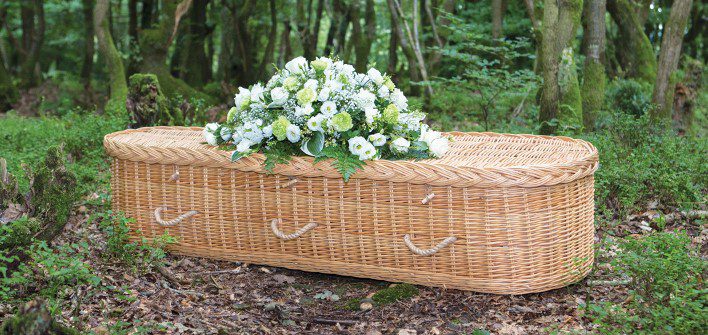
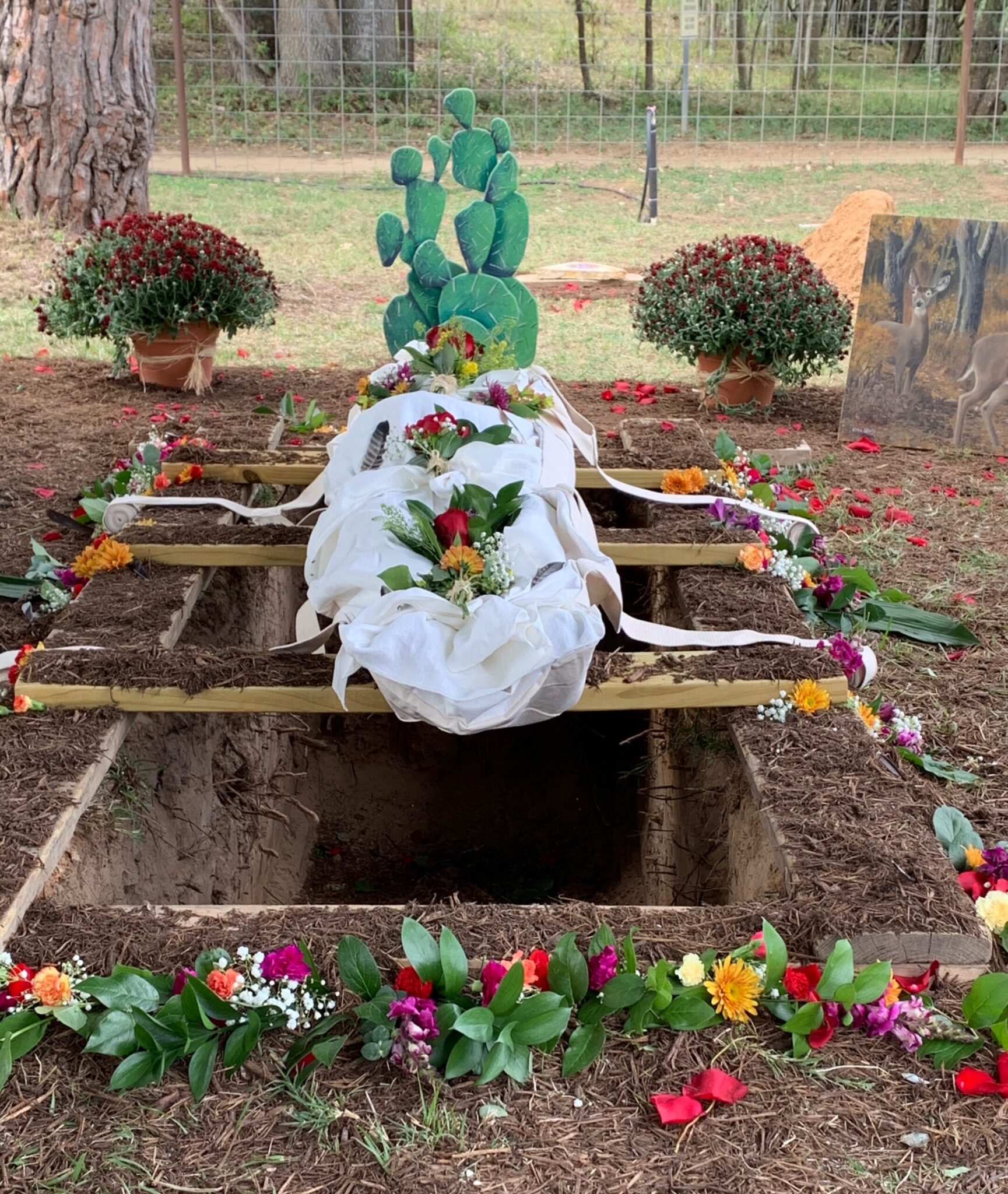
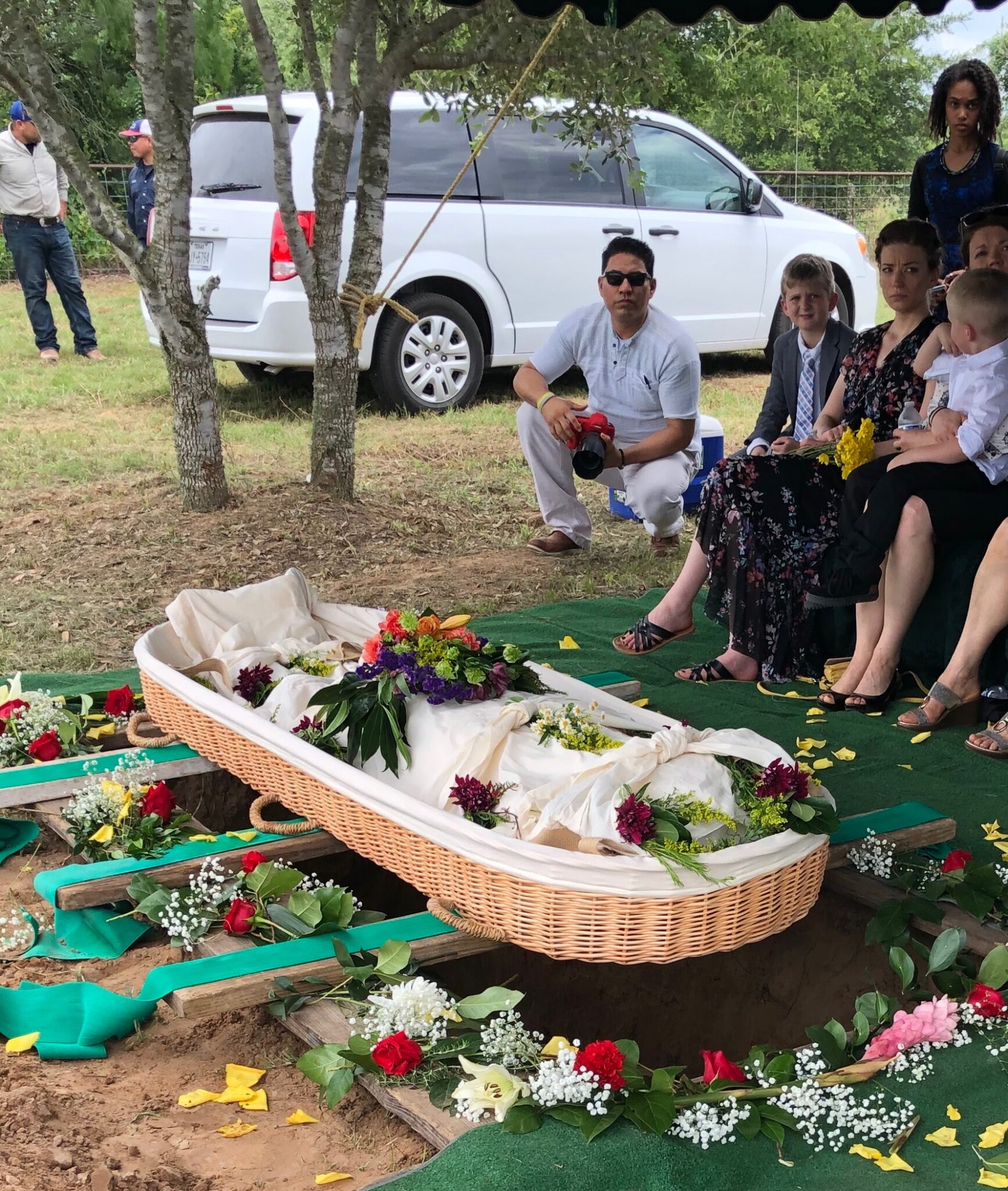
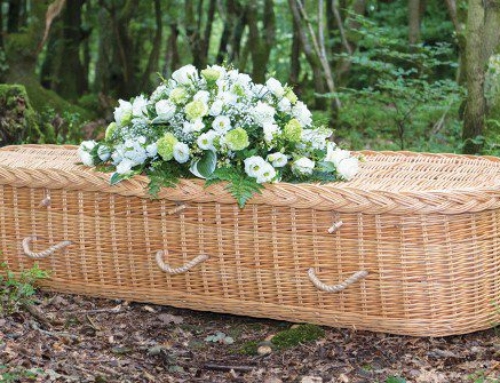
One thing many families overlook is how much choosing the right biodegradable container influences the overall price. Simple shrouds made from cotton or linen might only set you back around $100 to $300, making them a very economical option. If you prefer something more structured, untreated pine boxes are available in the $400 to $700 range. For those who want a visually striking casket crafted from woven natural materials like wicker or bamboo, prices can climb toward or even exceed $1,500.
| Expense Component | Typical Cost Range | Notes |
|---|---|---|
| Burial Plot | $1,000 – $3,000 | Varies by location & cemetery type |
| Biodegradable Casket/Shroud | $100 – $1,500+ | Depends on material and craftsmanship |
| Professional Services Fee | $200 – $1,000 | Funeral home related tasks |
| Transportation Fees | Around $395 | Average for transporting remains |
| Permits and Paperwork | $10 – $30 | Necessary legal documentation |
| Refrigeration (if needed) | $35 – $100 per day | Used instead of embalming |
Beyond these dollars and cents lies the core philosophy behind green burials: minimizing environmental impact. Traditional embalming uses formaldehyde—a chemical that can pollute soil—whereas green burials avoid this altogether by relying on refrigeration or dry ice if necessary. Likewise, skipping concrete vaults allows the body to decompose naturally in simple containers that break down along with it.
Making these choices saves thousands compared to conventional funerals—sometimes as much as $3,800 to over $6,000—and transforms the whole experience into one that supports ecosystem restoration rather than resource depletion. Families contributing to conservation grounds also take pride knowing their loved one’s resting place helps protect wildlife habitat indefinitely.
“Choosing a green burial isn’t just an affordable option—it’s an investment in preserving nature’s cycle and honoring life in its most natural form.”
Understanding this broad pricing landscape sets the stage for identifying specific factors that influence costs and how they vary by individual choices and locations.
Influencing Factors on Price
Location plays a pivotal role in determining how much a green burial will cost. Land value differs drastically between urban centers and rural areas, with cities like New York or San Francisco commanding higher prices simply because real estate is premium there. This means that even if the green burial itself uses the same simple materials and natural processes everywhere, the plot’s position alone can inflate costs from a modest $1,000 in rural regions to upwards of $5,000 in metropolitan zones.
Therefore, people choosing green burials often weigh proximity to family and the serenity of rural sites against the budget they have.
Moving beyond location, the type of burial plot you select adds another layer of cost variation, reflecting both philosophy and ecological impact. Hybrid plots, found within larger traditional cemeteries, offer an affordable entry into green burial options because they share infrastructure. These are ideal for families seeking eco-friendly burials without straying too far from conventional settings or established cemetery services.
On the other hand, natural burial grounds devote the entire area to sustainable practices; here, plots are priced moderately to reflect their commitment to no synthetic materials or embalming chemicals.
Finally, conservation burial sites combine your final resting place with active land preservation efforts—which adds ecological value but can elevate pricing due to extra fees supporting surveys and habitat restoration.
Each type of plot comes with its own set of expectations that influence overall expense beyond just real estate costs. While hybrid plots might allow some use of biodegradable caskets or shrouds alongside minimal landscaping markers, conservation sites often require strict adherence to native planting and non-invasive grave markers like fieldstones or GPS coordinates.
These choices ensure environmental sustainability but may demand additional planning or fees for upkeep by cemetery stewardship programs.
Even within these plot categories, subtle details like the choice of burial container significantly sway costs. A simple cotton shroud might start around $100 and offers a straightforward return to earth, while handwoven wicker or bamboo caskets can top $1,500 depending on craftsmanship and materials used.
This cost difference speaks to personal tastes but also impacts how quickly and naturally decomposition occurs—one of the core values driving green burials.
Other factors quietly add to expenses. Professional services such as transportation, permits, and refrigeration (if embalming is avoided) accumulate incrementally but are essential for compliance with legal and health standards. For example, transport logistics become particularly important when choosing remote conservation grounds outside urban hubs.
Ultimately, the interplay between location, plot type, and burial container forms the backbone of price variation in green burials. Each choice reflects a balance between affordability, environmental goals, and personal preferences—a decision matrix where understanding all elements matters.
When planning for a green burial at Countryside Memorial Park or similar venues, it’s wise to speak directly with cemetery representatives who can clarify which plot types suit your budget and values best. Clear communication upfront will help avoid unexpected costs while ensuring that your loved one’s final resting place honors eco-friendly principles without sacrificing financial practicality.
Understanding these core influences sets the stage for examining more specific services and fees. Next, we will explore how particular choices—like biodegradable containers and cemetery maintenance—translate into tangible costs involved in creating an eco-conscious farewell.
Hidden Costs and Fees
When you think of green burial, the picture of a simple, natural resting place usually comes to mind—no elaborate caskets, no concrete vaults, just nature doing its work. However, beneath this simplicity are details that influence the bottom line in ways that aren’t always evident upfront.
One such factor is grave preparation and maintenance. Unlike traditional burials where a concrete vault often acts as a standard protective barrier (sometimes included in the price), green burial grounds rely on more natural methods to mark and support the grave site. This means fees for careful natural landscaping and grave digging, which typically fall between $300 and $1,000, depending on the cemetery’s location and their maintenance standards.
These charges cover essential tasks like ensuring the ground is properly dug without disturbing the surrounding environment, restoring native plant life afterward, and sometimes ongoing care to maintain a natural look that honors ecological principles. While these costs might feel unexpected at first glance, they reflect an investment in land stewardship—a core value for green burial families who want to make sure their final resting place contributes positively to the ecosystem rather than compromising it.
Along with preparation fees, another cost often overlooked is the choice of natural grave markers, which differ significantly from traditional granite headstones.
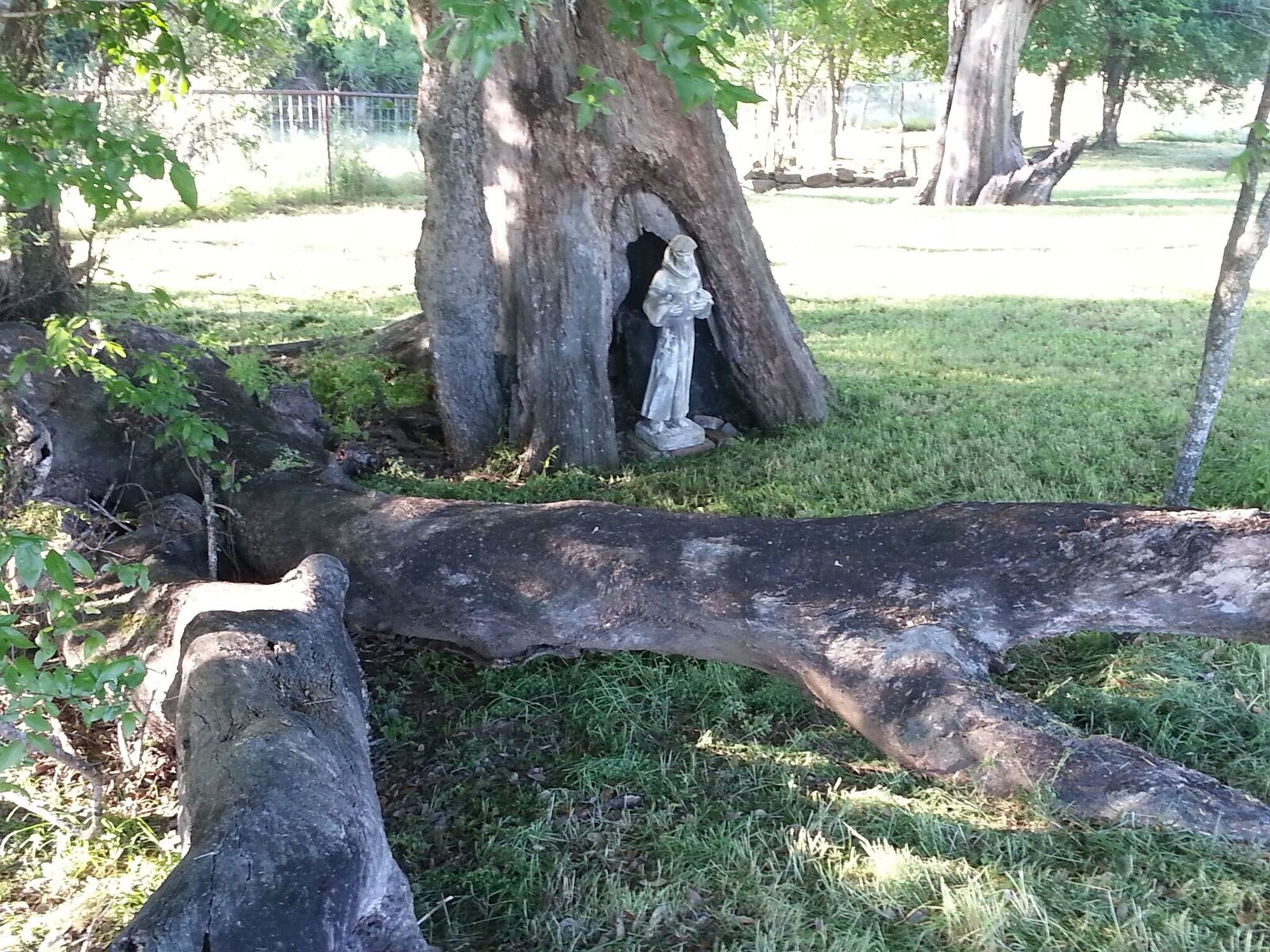
Green cemeteries emphasize markers that blend harmoniously with nature. Instead of polished stone monuments, families may select from options like simple fieldstones, wooden plaques that will biodegrade over time, or even planting native trees or shrubs at the gravesite. These choices not only maintain the ecological balance but also serve as living memorials. However, this greener approach still comes with a price tag—typically ranging around $100 or more depending on the chosen method.
Even though these markers tend to be less costly than conventional headstones—which can easily run into thousands—they remain an extra expense atop your other burial costs. Some families find these natural memorials profoundly meaningful; others may wish to budget carefully since markers are usually not included in initial plot pricing. For example, choosing a handcrafted wicker plaque or planting a native shrub may involve purchasing materials or paying for professional landscaping services.
It’s worth noting that some green burial sites offer minimal or communal markers to keep costs down and preserve open habitat space. In those situations, GPS coordinates serve as precise digital references instead of physical monuments—an option growing in popularity for tech-savvy families who prioritize sustainability over permanence.
Understanding all these subtle fees helps avoid surprises later and illuminates how green burial costs truly unfold from both financial and environmental perspectives.
This awareness builds a foundation for considering the types of biodegradable caskets and shrouds that can align with your budget and eco-principles.
Options for Biodegradable Coffins
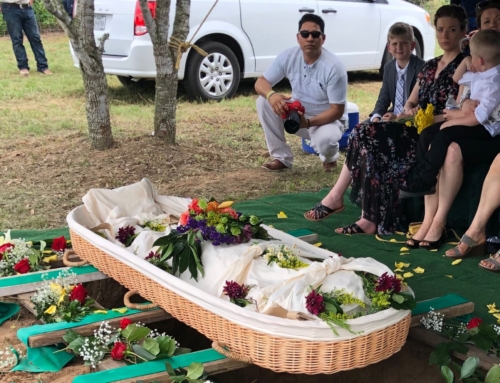
When choosing a coffin for a green burial, the focus is on materials that naturally break down without leaving harmful residues. Unlike conventional caskets, which often contain metal parts or chemical finishes that can linger in the earth for decades, biodegradable coffins aim to return to the soil gently and swiftly, nourishing the ground rather than burdening it. This eco-friendly philosophy guides the choice of materials like cardboard, bamboo, willow, jute, and seagrass—all of which offer unique qualities along with varied price points.
Cardboard coffins are the most budget-friendly option, generally costing around $300. They may sound simple, but modern designs have reinforced cardboard with sturdy structures allowing them to hold significant weight securely. Their minimal manufacturing footprint and full compostability make them a smart choice for those prioritizing affordability combined with sustainability. Although their plain appearance may not appeal to everyone, many providers now offer customizable cardboard coffins with decorative prints or colors, adding a personal touch even within this simple medium.
Bamboo coffins step up both in durability and aesthetic appeal. At roughly $1,200, bamboo offers a strong yet lightweight natural material prized for its rapid regrowth rate—a highly sustainable resource. Bamboo’s hollow stems are woven or crafted into elegant shapes that balance strength with biodegradability. It’s prized for its subtle beauty and natural resilience when buried. For families looking to blend environmental responsibility with a more refined presentation, bamboo often represents an ideal middle ground.
Moving further along the price scale, willow coffins command about $1,500 due to the delicate craftsmanship involved in weaving this pliable wood. Willow’s intricate texture gives each coffin a handcrafted feel reminiscent of artisanal furniture or garden baskets. Because willow grows quickly and requires no pesticides or fertilizers, it also scores high marks for eco-friendliness. The higher price reflects not just its natural properties but also the hands-on labor needed to create such a coffin. For some families, this beautifully rustic option resonates deeply as a symbol of returning peacefully and organically to nature.
Beyond these common choices lie other natural fibers such as jute and seagrass that can be fashioned into eco-coffins or burial shrouds. These materials decompose swiftly while enriching surrounding soil, though they tend to be less widely available and sometimes require special ordering through select green funeral providers.
| Material | Approximate Cost | Breakdown Time | Notable Features |
|---|---|---|---|
| Cardboard | $300 | 1-2 months | Affordable, customizable decorations |
| Bamboo | $1,200 | 3-6 months | Strong, lightweight, rapid regrowth |
| Willow | $1,500 | 3-6 months | Handcrafted, rustic appearance |
| Jute | Varies | 1-2 months | Natural fiber alternative |
| Seagrass | Varies | 1-2 months | Biodegradable coating potential |
Selecting a biodegradable coffin involves balancing cost, aesthetics, and environmental impact. While cheaper options like cardboard streamline accessibility to green burials for many families, pricier items such as bamboo or willow present timeless elegance with equally profound ecological benefits. Each choice ultimately reflects how you wish to honor your loved one—with respect to nature’s cycle and practical considerations alike.
With this understanding of coffin materials in place, it becomes easier to appreciate why environmentally conscious burials often provide not only a meaningful ecological alternative but also frequently represent a more economical option compared to traditional funerals featuring elaborate caskets with varnishes and metals that hinder decomposition.
Comparing Green and Traditional Burials
When you look closely at the costs involved with green versus traditional burial, the difference can be striking. The numbers tell a clear story: green burials tend to be significantly more affordable. This is largely because they eliminate or reduce several costly steps common in traditional practices.
For example, embalming—a chemical process required by many traditional funerals—doesn’t apply in green burials, saving hundreds if not thousands of dollars. Likewise, expensive caskets made from hardwood or metal are replaced by simple biodegradable alternatives that respect the environment and the wallet alike.
To break this down further, consider the cemetery plot itself. The price of the land doesn’t change based on burial style; whether you choose green or traditional, you’re paying roughly the same for your resting place.
However, when we move into preparation costs, green burials often require less intensive groundwork since they avoid concrete vaults or liners that accompany conventional interments. This simplicity cuts down labor and material expenses substantially.
| Aspect | Green Burial Range ($) | Traditional Burial Range ($) |
|---|---|---|
| Burial Plot | 3,581 | 3,581 |
| Grave Preparation | 300 – 1,000 | 750 – 1,000 |
| Coffin | 300 – 1,500 | 2,500 |
| Embalming | 0 | 500 – 1,200 |
| Total Average | ~2,600 – 5,000 | ~9,995 |
Looking at these figures reveals why more families are turning to eco-friendly options—not just for environmental values but also as a practical financial choice. Skipping over embalming alone can save thousands.
While some might worry about sacrificing dignity or tradition, many find that green burials offer a meaningful alternative that honors loved ones in harmony with nature.
Grasping these cost differences clarifies key considerations in planning an eco-friendly farewell. Moving forward, exploring how financial resources can be managed or supplemented will be vital for creating a thoughtful and manageable burial experience.
Financial Planning and Assistance
Proper financial planning for a green burial can significantly ease the pressure at a difficult time. One of the best tools you’ll find at cemeteries like Countryside Memorial Park is prepayment plans. These plans allow you to secure your burial plot and services at today’s prices, shielding you from inevitable inflation down the road. It’s more than just locking in a price—it’s about peace of mind. Jane Doe, a family who planned ahead with us, once shared how prepaying saved her thousands of dollars, giving her family a financial cushion when it mattered most.
But what if upfront payment isn’t feasible? Fortunately, many nonprofit organizations and local government programs operate quietly behind the scenes, offering burial assistance grants or subsidies designed precisely for families facing financial hurdles. This support might not cover every expense but often contributes meaningfully to costs such as casket alternatives or plot fees. Contacting these sources early on can open doors to assistance that many people don’t realize exists.
Additionally, consulting with a green burial specialist can be invaluable. These professionals are versed in navigating both the practical and emotional aspects of eco-friendly funerals and often have insider knowledge on grants, community resources, and even faith-based aid programs that align with eco-conscious choices. Their expertise can guide families in arranging dignified burials without unnecessary financial strain.
Navigating Assistance Options
| Source | Description |
|---|---|
| Local Departments of Social Services | Often provide state or local burial funds, especially for those enrolled in Medicaid or SSI. |
| Charitable Organizations | Groups like Catholic Charities or regional benevolent societies sometimes offer indigent burial programs. |
| Veterans Affairs and Public Safety Officer Benefits | Specific burial assistance targeted at eligible service members. |
| Funeral Consumers Alliance (FCA) | Affiliates may assist by negotiating discounts and providing transparent price comparisons within your area. |
| Faith Communities | Churches or spiritual groups sometimes offer support for eco-friendly burials. |
Exploring these options doesn’t require formal announcements; sometimes it’s about quietly reaching out and asking funeral home directors, cemetery staff at places like Countryside Memorial Park, or social workers who often have access to these less visible programs.
“Planning a green burial involves more than ecological considerations; it requires thoughtful budgeting paired with knowledge of helpful resources,” explains one experienced funeral planner.
For those seeking additional support beyond grants or discounts, fundraising through local clubs or crowdfunding platforms can also be an effective option. While borrowing money from loan companies specializing in funeral expenses exists, this should generally be approached cautiously as a last resort because of interest and repayment risks.
By meticulously planning each financial aspect and exploring all available assistance avenues, families ensure that their green burial choices remain both meaningful and manageable, honoring their loved ones with respect to nature—and their budgets alike.
Thoughtful financial planning combined with awareness of assistance programs empowers families to embrace eco-friendly funerals without overwhelming stress. Green burial can be both an environmentally responsible choice and an affordable option when approached with care.
 Chrysta Bell Zucht is an internationally known Actor, Musician and the Steward of Countryside Memorial Park. She has always shared her father’s passion for Natural Burials, and upon his unexpected death in 2009 had the soul-satisfying experience of giving him the green burial he had always wanted. She remains deeply dedicated to Countryside and has vowed to continue to offer it as a serene, peaceful place for eco-conscious families to bury, memorialize and celebrate their Beloveds.
 Music adds a memorable and deeply moving element to any ceremony, especially if it is music that your Loved One loved.