
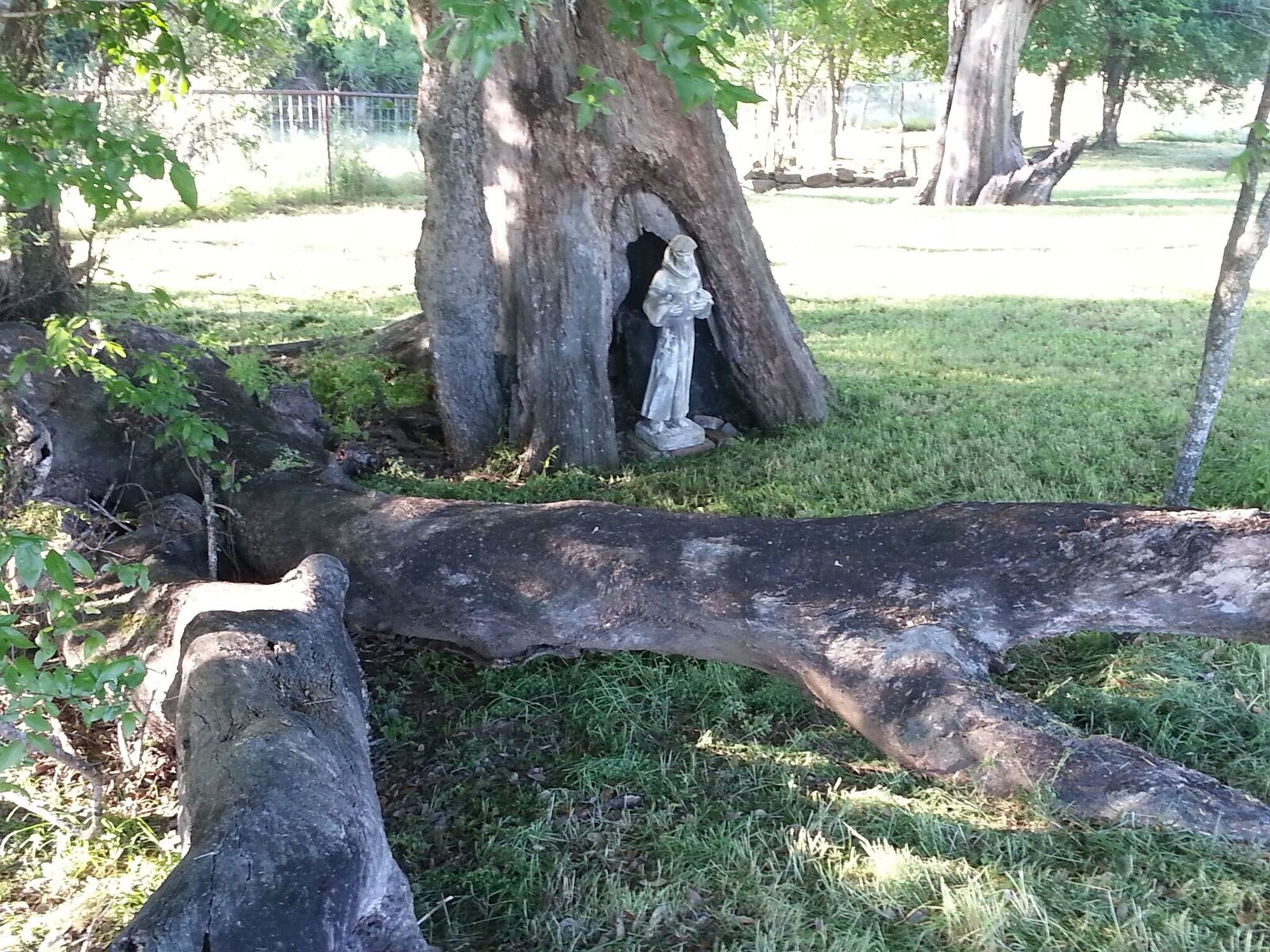
Thinking about what happens after we die can feel heavy, but it also opens up a chance to make choices that help the planet. More people today want their final farewell to be gentle on nature, which is why eco-friendly burial options are becoming popular. These choices don’t just reduce harmful impact; they offer a way to give back to the earth, turning endings into new beginnings. This article dives into different natural and safe burial methods that respect both loved ones and the environment in 2026.
Eco-friendly burial options include natural green burials where bodies are interred without embalming chemicals in biodegradable caskets or shrouds, allowing for natural decomposition. Other options include tree pod burials, where cremated remains are placed in biodegradable pods planted beneath saplings, and human composting, which transforms the body into nutrient-rich soil; these methods reduce environmental impact while honoring life’s natural cycle.
Green Burial Alternatives
At its core, a green burial means placing the body back into the earth naturally—free from embalming fluids, metal caskets, or concrete vaults—that ultimately allows decomposition to proceed unhindered. This approach respects the cycle of life and returns nutrients directly to the soil. Rather than concealing death with synthetic materials, it embraces an authentic return to nature.
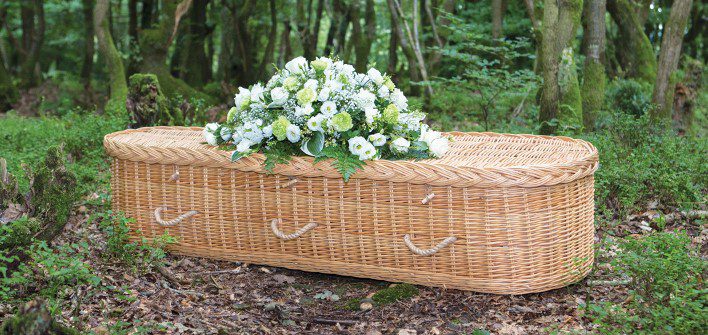
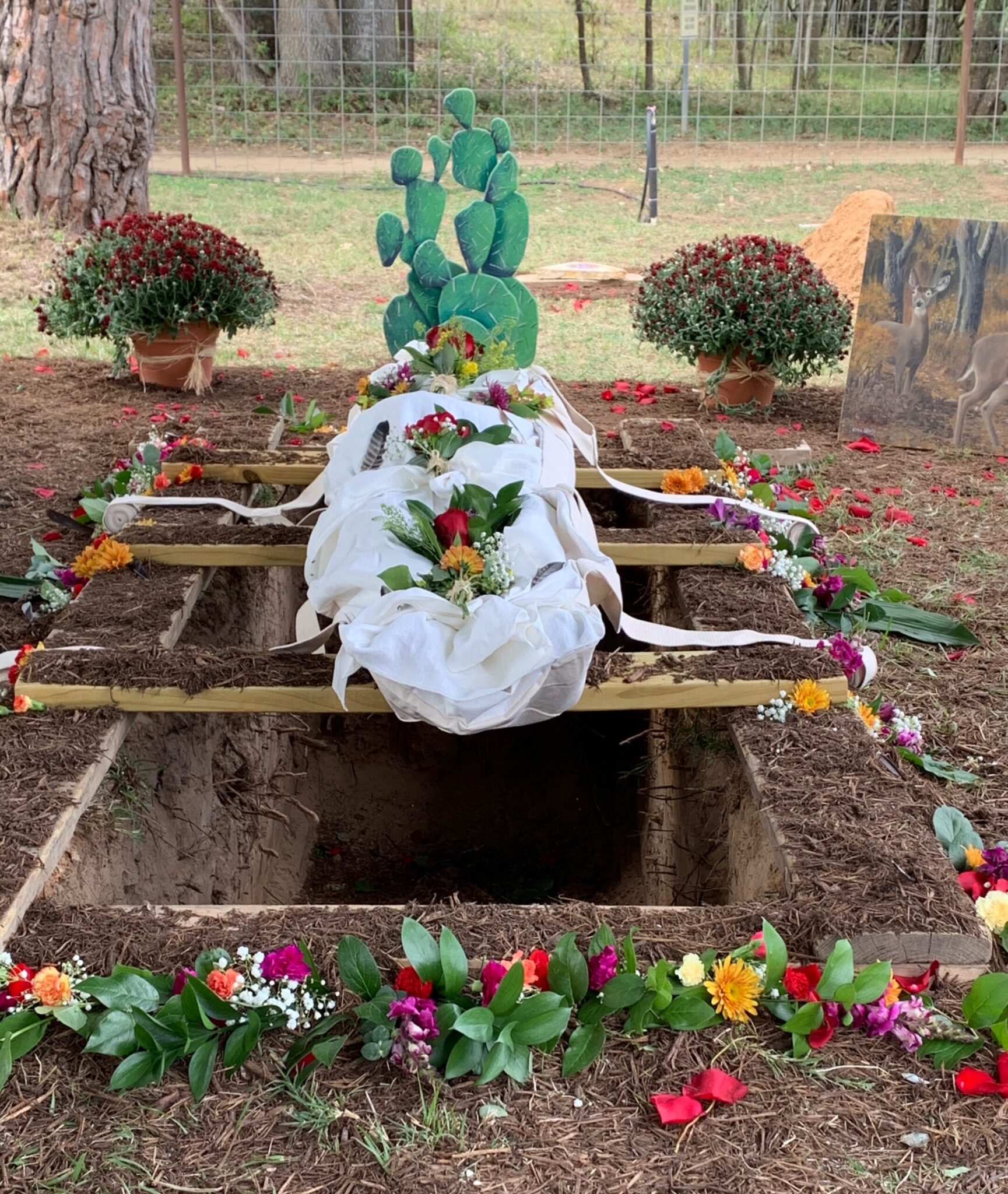
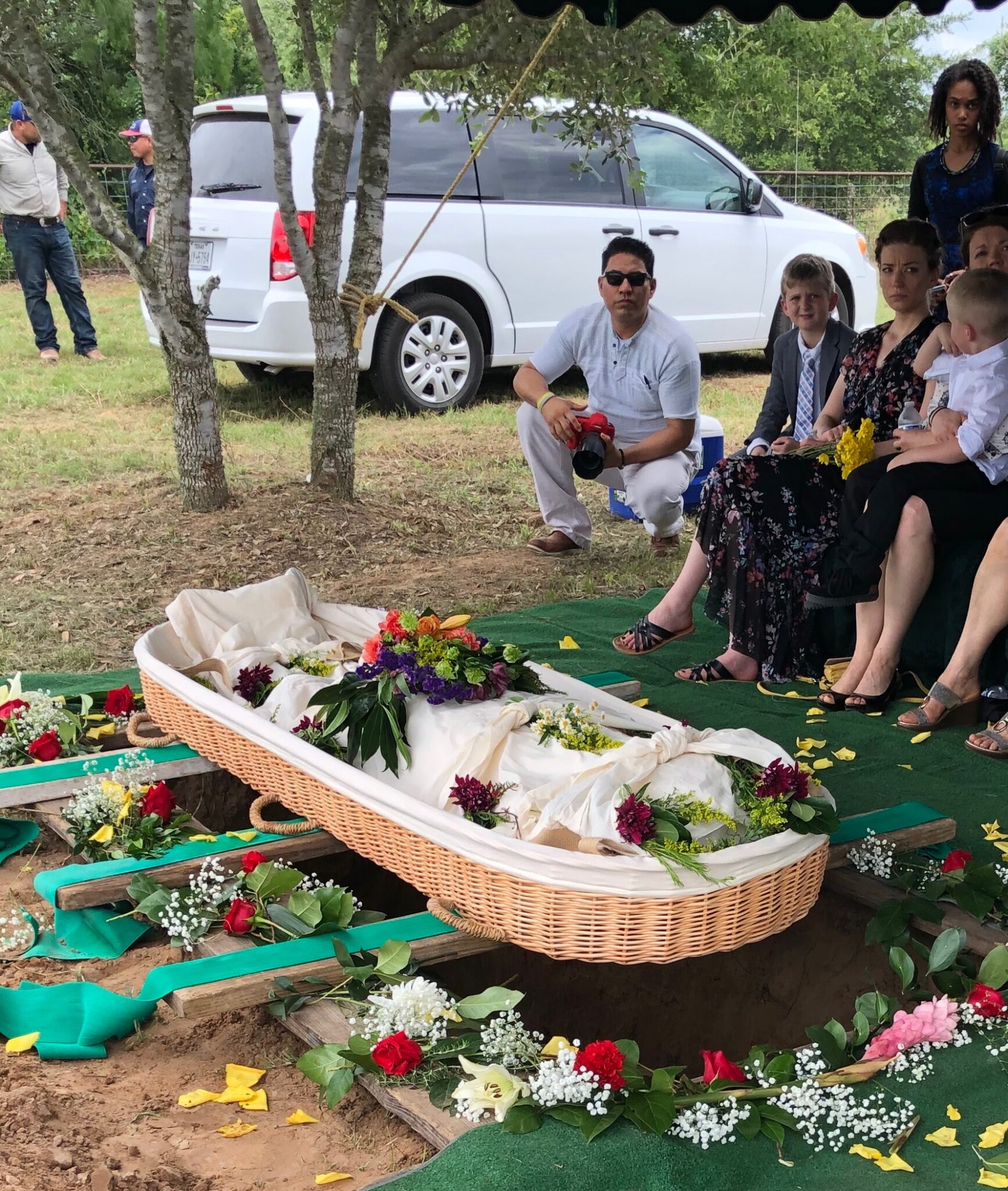
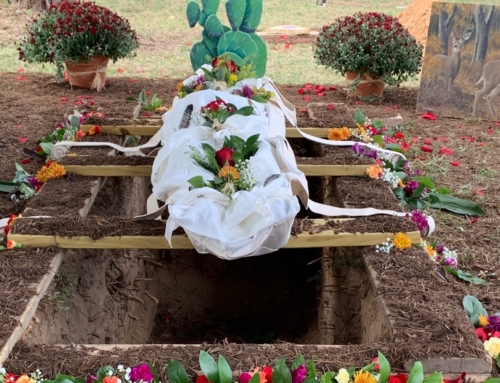
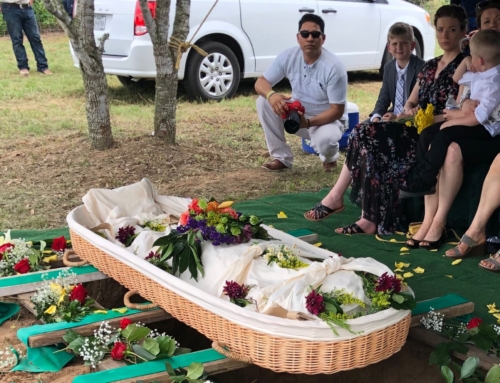
Natural burials embody this philosophy by using biodegradable materials like simple wooden caskets, woven baskets, or even burial shrouds made from organic fabrics. These options let the body break down gradually, enriching the surrounding ecosystem without introducing toxins or plastics. Countryside Memorial Park near San Antonio offers such choices alongside artisan grave markers crafted to blend respectfully into the peaceful landscape. By skipping embalming and vaults altogether, natural burials reduce environmental impact significantly while preserving dignity and beauty in remembrance.
Stepping further into ecological stewardship, conservation burial intertwines resting places with active land preservation efforts. Here, burial grounds become sanctuaries—dedicated parcels that protect native plants and wildlife habitat for generations. The fees charged often support ongoing conservation projects and maintenance, ensuring that your loved one’s resting place also benefits the broader environment. While there might be a modest premium for these services, many find comfort knowing their final resting place contributes meaningfully to ecological health.
Beyond traditional soil burials lie innovative methods that transform how we think about returning to the earth—one such method being water cremation.
Water cremation, or alkaline hydrolysis, uses a gentle solution of water and potassium hydroxide under controlled heat to break down the body safely and cleanly. Unlike flame-based cremation, it avoids fossil fuels and reduces greenhouse gas emissions considerably. What remains is a sterile liquid returned responsibly to wastewater systems and a small amount of mineral ash much like traditional cremation. This process aligns with green burial values by lowering environmental footprints while offering families an alternative eco-friendly farewell.
Each green burial alternative reflects a desire not just to reduce ecological harm but to find deeper meaning in death’s role in sustaining life. Whether choosing simple shrouds at Countryside Memorial Park’s verdant grounds or supporting conservation programs protecting delicate ecosystems, these choices express commitment to legacy beyond memory—one tied intimately to nature’s continuous renewal.
When considering these options, visit natural burial grounds if possible, ask detailed questions about materials used, land management practices, and costs involved. Pre-planning can provide clarity and peace of mind while helping loved ones understand your wishes clearly.
As environmentally responsible alternatives gain momentum, understanding how different methods work helps you make thoughtful decisions. Exploring these innovations leads naturally toward examining water-based cremation techniques that further redefine respectful farewells.
Water Cremation Process
Water cremation, also called alkaline hydrolysis, is a method that uses water and a gentle chemical process to respectfully break down the body. Unlike traditional flame cremation, which burns the body at extreme temperatures, this process places the body in a sealed chamber filled with a heated solution of water and potassium hydroxide. The temperature is maintained around 350°F under high pressure to keep the liquid from boiling. This combination causes the body’s soft tissues to dissolve naturally into basic chemical components, leaving behind only bone fragments.
This method might sound unusual at first, but it’s actually very gentle and environmentally conscious. Because it doesn’t burn fossil fuels like conventional crematories do, it significantly reduces greenhouse gas emissions and energy consumption. Where traditional cremation emits roughly 1.74 billion pounds of CO2 annually worldwide, water cremation slashes this footprint dramatically, using about 10% of the energy needed for flame-based cremation. This makes it one of the most sustainable options available today for handling human remains.
Environmental Impact
Traditional cremation produces harmful emissions including carbon dioxide and mercury vapor, especially from dental fillings. Water cremation avoids these airborne toxins because there is no burning involved—it simply dissolves organic matter. The leftover liquid waste is treated safely before release, complying with environmental regulations, while the remaining bones can be processed into ash similar to standard cremated remains.
To put it in perspective, if more people chose water cremation over flame cremation, we could reduce CO2 emissions equivalent to removing thousands of cars from the road annually. Additionally, energy use drops noticeably since the method requires only modest amounts of electricity and heat rather than intense combustion flames.
Availability
Despite these clear benefits, water cremation isn’t available everywhere yet due to varying state laws and regulatory challenges. However, acceptance is growing steadily as legislation catches up with public demand for greener alternatives. Several states in the U.S., including California and Colorado, have legalized alkaline hydrolysis and built facilities that offer these services. The expanding availability brings hope that more families will have access to an eco-friendly option that respects both their loved ones and the planet.
| Benefits of Water Cremation | Description |
|---|---|
| Reduces greenhouse gas emissions substantially | Dramatically lowers CO2 compared to standard cremation |
| Consumes significantly less energy | Uses about 10% of the energy required by flame cremation |
| Emits no airborne mercury or other pollutants | Prevents release of hazardous mercury vapors |
| Produces sterile effluent | Liquid waste safely treated per environmental regulations |
| Leaves bone remains for memorial purposes | Bones returned similarly to ashes after processing |
For anyone interested in this method, it’s advisable to check local funeral providers or green burial parks like Countryside Memorial Park in Texas to learn whether they offer or can coordinate water cremation services. Many natural burial providers are knowledgeable about emerging eco-friendly options and can guide families through the process smoothly.
Building on this innovative approach to eco-friendly remembrance, we shift focus to an emerging practice that transforms human remains into nourishing soil — a method gaining momentum for its deep ecological harmony and symbolism.
Human Composting Method
Also called natural organic reduction (NOR), human composting is a process that gently accelerates the body’s natural return to the soil.
Unlike traditional burials or cremation, which either bury embalmed bodies in caskets or reduce remains through intense heat, NOR relies on carefully controlled microbial activity.
The deceased is placed in a vessel filled with organic materials — such as wood chips, straw, and alfalfa — creating an ideal environment for microbes to break down the body in about 30 days.
This accelerated decomposition results in nutrient-rich compost that families can use to nourish gardens, plant trees, or restore conservation lands, truly closing the cycle of life and death in an ecological embrace.
The key to this process is maintaining proper temperature, moisture, and oxygen levels inside the vessel.
Microbial life thrives under these conditions, consuming the organic matter efficiently while sanitizing the material by generating internal heat reaching up to 140 degrees Fahrenheit.
This natural heating also ensures pathogens are destroyed without chemicals.
Over time, the body’s tissues transform into soil that’s free of toxins, chemicals, or any unnatural residues associated with embalming fluids or synthetic caskets.
In this way, human composting honors both the deceased and the environment with unmatched gentleness and sustainability.
Facilities specializing in this method, like Recompose in Washington State — one of the few places legally offering NOR — report that a single human body provides roughly a cubic yard of high-quality compost.
This amount is substantial enough to support a small garden or to contribute meaningfully to soil restoration projects.
What’s especially compelling is how this form of disposition reduces greenhouse gas emissions compared to cremation: it avoids the burning of fossil fuels and instead fosters new growth through returning vital nutrients back into the ecosystem.
However, legal acceptance remains limited.
Currently, only a handful of states — Washington and Colorado leading the way — have made NOR lawful for human remains.
Many others are exploring legislation due to growing public interest in environmentally friendly alternatives.
As awareness spreads, experts predict that regulations will continue evolving within the next decade to include more regions across the United States.
For those considering this option, planning ahead is essential.
Working with providers experienced in green burial practices ensures compliance with local laws and helps integrate NOR thoughtfully with funeral and memorial services.
It’s also important to understand facility-specific requirements; for example, most NOR processes require bodies free from embalming fluids and restrict certain materials like prosthetics or medical devices.
Understanding how human composting works provides a powerful example of nature’s cycle embraced by modern ecological practices. Next, we consider steps you can take now to align your final wishes with sustainable values and respectful remembrance.
Planning an Eco-Friendly Burial
When you set out to plan an eco-friendly burial, it’s important to take it step by step, embracing the process as both practical and profoundly meaningful. The first crucial step is researching burial methods because understanding your options helps you choose what aligns best with your values and wishes.
Whether it’s natural burial in a green cemetery like Countryside Memorial Park, tree pod burials, or simple biodegradable shrouds, each option offers a unique way to reconnect with nature. Knowing what each entails helps avoid surprises down the road.
Equally important is location scouting. Visiting natural burial grounds or conservation cemetery sections lets families experience the serene environments where their loved ones will rest. It’s not just about picking a plot — it’s about connecting with the place itself.
A park like Countryside Memorial Park near San Antonio, Texas, exemplifies this principle by offering a tranquil green space where the cycle of life is honored within native landscapes. Walking these grounds can bring a profound sense of peace and build confidence in your choice.
Then come the permits and legalities, which may feel cumbersome but are vital to ensure everything goes smoothly. Regulations vary between states, affecting everything from container types to planting memorial trees or using certain markers.
Taking time to understand what’s allowed keeps your plans legal, respectful, and environmentally sound. At Countryside Memorial Park, they help guide families through these matters—and even connect them with licensed funeral directors knowledgeable about green burials—so you’re never left navigating alone.
Next is the selection of eco-friendly memorials, which reflects a commitment to sustainability even after burial. This might mean choosing biodegradable urns made from recycled paper or natural fibers, or hand-engraved natural stone markers carved by artisans like Sunny Markham who specialize in environmentally conscious design.
These choices avoid harsh chemicals or metals that disrupt soil health and instead celebrate simplicity and respect for nature’s cycles.
Chrysta Bell Zucht, Steward of Countryside Memorial Park, frequently shares how pre-planning provides families with peace of mind. She encourages people to visit cemeteries early, select plots thoughtfully, and understand every aspect of natural burial before it’s urgent.
This approach transforms what can be overwhelming into something empowering—a chance to leave a gentle legacy rooted in ecological balance.
One key detail in this planning journey involves selecting biodegradable burial containers that faithfully align with eco-friendly principles while honoring personal preferences.
Biodegradable Burial Containers
Biodegradable containers form the heart of an eco-friendly burial because they allow the body to return naturally and fully to the earth without leaving lasting synthetic waste behind. These containers are carefully crafted from materials that nature can break down efficiently—encouraging decomposition processes that nourish soil and promote new life. Their role isn’t just functional; it embodies the philosophy of green burial, honoring the cycle of life, death, decay, and rebirth that institutions like Countryside Memorial Park champion near San Antonio.
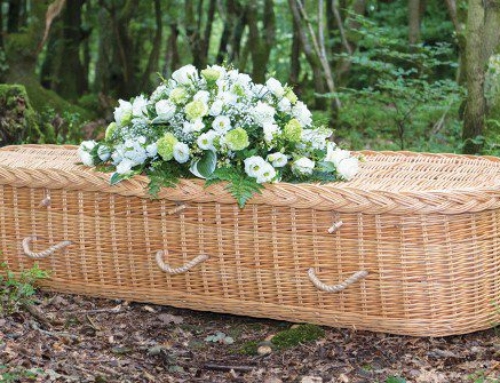
Common options include wicker caskets made from rattan or bamboo, which typically cost between $900 and $1,500. These materials provide strength while breaking down quickly over time thanks to their all-natural construction. Meanwhile, cardboard caskets offer a more affordable alternative ranging from $50 to $300 and remain surprisingly sturdy despite their simplicity. For those inclined toward tradition yet eco-consciousness, natural burial shrouds—usually around $300—serve as gentle wraps for the body, harkening back to ancient customs while facilitating rapid decomposition.
What makes these containers so beneficial is their ability to maintain soil health during decomposition. Unlike conventional burial vaults and metal caskets coated with chemicals that can persist in the ground for decades, biodegradable options dissolve naturally and contribute organic matter to the earth. This enriches microbial life in the soil and fosters nutrient cycling essential for plants—a process fundamental to ecological restoration efforts that green cemeteries strive for.
| Container Type | Material Characteristics | Typical Cost Range | Decomposition Traits |
|---|---|---|---|
| Wicker Casket | Rattan, Bamboo | $900 – $1,500 | Breaks down relatively fast; durable |
| Cardboard Casket | Pressed Paper Fibers | $50 – $300 | Lightweight; decomposes quickly |
| Natural Shroud | Organic Fabrics (Cotton/Linen) | Around $300 | Breathable; aids natural body recycling |
These containers also avoid the harmful embalming chemicals often used in traditional burials, which interfere with natural decomposition and can leach into groundwater. By choosing biodegradable materials paired with no embalming or eco-friendly embalming alternatives, families ensure their loved one’s final resting place supports—not harms—the environment.
When selecting a container at places like Countryside Memorial Park, consider your priorities: do you seek affordability or a handcrafted artisanal quality? Both influence environmental impact but reflect deeply personal choices about dignity and stewardship toward Earth. Consulting with knowledgeable funeral directors experienced in green burial can help navigate these options wisely.
Appreciating how biodegradable containers foster ecological balance highlights their pivotal role beyond mere functionality—they stand as profound symbols of our respect for nature’s unending cycles. This foundation sets the stage for examining the broader benefits these choices bring to our environment.
Environmental Benefits
Eco-friendly burials stand apart by fundamentally minimizing the ecological impact that traditional burial methods tend to create. When bodies are embalmed with harsh chemicals like formaldehyde, and enclosed in metal or varnished caskets, those substances can leach into the soil, threatening groundwater and disrupting delicate ecosystems.
Choosing biodegradable burial containers means all materials naturally decompose, returning vital nutrients back to the earth without adding toxins. This supports the natural cycle of life, death, decay, and rebirth — a philosophy central to facilities like Countryside Memorial Park near San Antonio, where honoring this cycle is part of their core mission.
One of the most significant advantages is carbon footprint reduction. Traditional burials and cremations are energy-intensive, releasing substantial greenhouse gases into the atmosphere.
By contrast, natural burials eliminate emissions from crematoria and reduce fuel consumption linked to manufacturing heavy caskets or concrete vaults. Studies show these green alternatives can slash an individual’s funeral-related carbon emissions by up to 90%, an impactful contribution given rising global concerns over climate change.
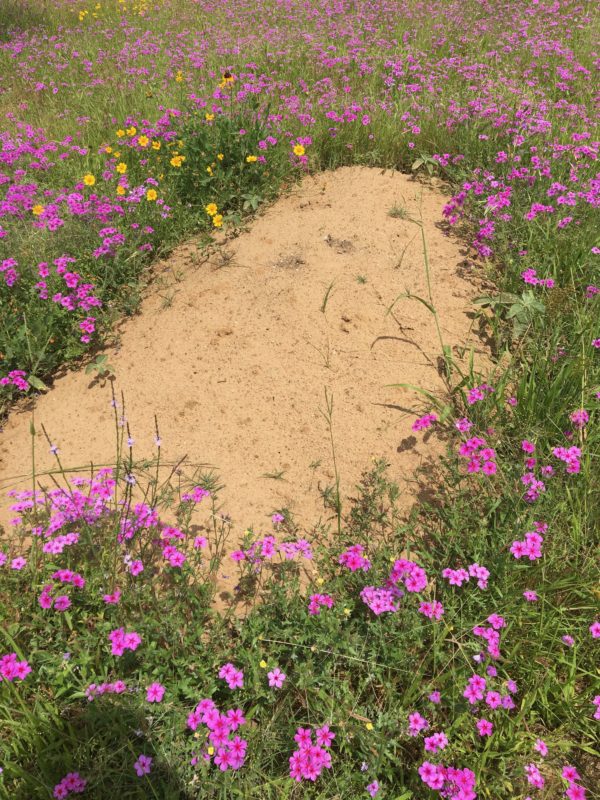
There’s also an important spatial benefit: eco-burials require less land—no need for reinforced vaults or grave liners—allowing cemeteries to maintain larger green spaces or even support wildlife habitats.
These spaces can serve as sanctuaries for native plants and animals, effectively turning what might be considered “dead space” into living landscapes that contribute positively to biodiversity conservation efforts.
But why choose eco-friendly options over traditional methods? Beyond environmental reasons, many find comfort in knowing their final resting place is a seedbed for new life, where one literally returns to nature in its purest form.
This perspective offers both spiritual solace and a tangible legacy of environmental stewardship. Families empowered with this knowledge often find renewed purpose in pre-planning at places like Countryside Memorial Park, where they offer services ranging from biodegradable shrouds to hand-engraved natural stone markers reflecting a deep respect for nature’s cycles.
It’s important to select biodegradable materials tailored for your environment — whether wicker, pinewood, or burial shrouds — because faster decomposition ensures quicker nutrient release back into the soil.
Additionally, pairing these burials with local tree planting programs amplifies their restorative impact. For example, “becoming a tree” symbolizes more than poetic imagery; it embodies how human remains nourish saplings planted atop gravesites, contributing oxygen and combating atmospheric CO2 long after death.
Choosing environmentally safe burial options not only honors the memory of a loved one but actively supports the health of our planet—a gift that resonates far beyond a single lifetime.
Understanding these benefits sets the stage for making choices that align deeply with personal values and ecological responsibility. The next part explores how individuals can tailor these options to reflect their unique wishes and stories.
Making a Personal Choice
Selecting an eco-friendly burial option isn’t just about practicality or cost—it’s a profound expression of who you are and what you stand for. Many people find comfort in knowing their final resting place supports the earth’s renewal rather than depletes it. This choice often reflects a lifetime of environmental awareness and a desire to contribute positively even after death.
When considering eco-burials, such as those offered by Countryside Memorial Park near San Antonio, Texas, you’re invited into a philosophy that honors the natural cycle of life—death, decay, and rebirth. This isn’t merely symbolic; it’s an active participation in sustaining the ecosystem. For example, choosing biodegradable burial containers or shrouds allows your body to return fully to the soil, nourishing native plants and wildlife habitats naturally. This act becomes an extension of your life’s values, reinforcing respect for nature.
It’s important to reflect on what feels right personally. Ask yourself if you want your memory tied to traditional headstones, or if you’d prefer a living memorial like a tree planted above your burial site—a symbol of ongoing life and growth. Engaging in pre-planning visits at places like Countryside Memorial Park allows you to explore these options firsthand and helps ease the burden on loved ones during difficult times.
While some may see traditional burials as more dignified due to longstanding customs, eco-friendly advocates highlight that natural burials honor authenticity—allowing nature itself to oversee the ritual of return. This challenges us to rethink notions of respect in death, focusing less on permanence through stone and more on continuity through soil.
Ultimately, making this choice is balancing emotion with ethics. It transforms grief into stewardship by creating a legacy where your resting place actively contributes to environmental preservation. Furthermore, it opens dialogue among families about end-of-life wishes that align with evolving cultural values around sustainability.
“Choosing a green burial means your story becomes one with the land,” says Chrysta Bell Zucht, Steward of Countryside Memorial Park. “It’s a way for families to honor their loved ones in harmony with nature.”
Before deciding, take time to research thoroughly—consult funeral directors experienced in green burials, visit natural burial sites, and consider how each option aligns with your beliefs and practical needs. Transparency about costs, including plot fees ranging from $300 to $1,400 and affordable biodegradable casket options provided by places like Countryside Memorial Park, makes eco-burials accessible without compromising dignity.
Ultimately, when thoughtfully chosen, an eco-friendly burial option embodies not only a profound personal meaning but also contributes tangibly to a healthier planet for generations yet to come.
Choosing an eco-friendly burial is a powerful statement that weaves personal values with ecological responsibility. It offers hope that our final acts can nurture new life and inspire future guardians of the earth.
Can eco-friendly burials include memorial practices that are sustainable and environmentally conscious?
Absolutely! Eco-friendly burials often incorporate sustainable memorial practices like planting a tree in place of a headstone or using biodegradable memorial markers made from natural materials; studies show that over 60% of eco-conscious families choose living memorials, which not only honor the departed but also help reforest and reduce carbon footprints, making remembrance both meaningful and green.
What are the costs associated with eco-friendly burial options versus conventional methods?
Eco-friendly burials typically cost 20-40% less than conventional methods, mainly because they skip pricey embalming, metal caskets, and concrete vaults; instead, they use biodegradable materials and natural gravesites. For instance, a traditional funeral can average $7,000 to $10,000 in the U.S., whereas a green burial often falls between $2,000 and $5,000. Plus, many eco-options involve no or minimal cemetery upkeep fees since the land is preserved naturally—proving that going green not only benefits the planet but your wallet too!
How do natural or green burials impact the environment compared to traditional burials?
Natural or green burials tread lightly on Mother Earth by skipping embalming chemicals and non-biodegradable caskets, allowing bodies to return swiftly and safely to the soil. Compared to traditional burials, which can release harmful formaldehyde and require resource-heavy vaults and concrete, green burials reduce carbon footprints significantly—cutting greenhouse gas emissions by up to 30%. Plus, they often double as mini wildlife sanctuaries, nurturing native plants and preserving ecosystems rather than paving them over for eternity. It’s the ultimate eco-mic drop in deathcare!
Are there legal restrictions or regulations regarding eco-friendly burials in different regions?
Yes, legal restrictions on eco-friendly burials vary widely by region; for example, in the US, about 30 states have specific laws permitting natural burials with biodegradable caskets or shrouds, while others impose strict regulations on burial depth and embalming to prevent environmental harm. Even in Europe, countries like the UK require registration of green burial sites but encourage sustainable practices. These disparities mean it’s essential to check local laws before planning an eco-friendly send-off—nature appreciates compliance as much as compost!
What materials are used in biodegradable or green burial caskets?
Biodegradable or green burial caskets commonly use materials like bamboo, willow, seagrass, cardboard, and untreated wood—each chosen for their rapid decomposition and minimal environmental impact. For instance, bamboo caskets break down within a year, releasing nutrients back into the soil, supporting ecosystem health. In fact, studies show that green burial products can reduce carbon emissions by up to 70% compared to traditional hardwood caskets with metal fittings, making them a truly eco-friendly choice for 2026’s environmentally conscious farewells.
 Chrysta Bell Zucht is an internationally known Actor, Musician and the Steward of Countryside Memorial Park. She has always shared her father’s passion for Natural Burials, and upon his unexpected death in 2009 had the soul-satisfying experience of giving him the green burial he had always wanted. She remains deeply dedicated to Countryside and has vowed to continue to offer it as a serene, peaceful place for eco-conscious families to bury, memorialize and celebrate their Beloveds.
 Music adds a memorable and deeply moving element to any ceremony, especially if it is music that your Loved One loved.