
What if your final resting place wasn’t a tombstone or an urn on a shelf, but a living, growing tree? More people are choosing to turn this idea into reality by blending farewell rituals with nature’s cycle. Instead of just fading away, they become part of something bigger—a tree that breathes, grows, and changes over time. This article walks you through how becoming a tree after death works, why it matters for the planet, and what steps you can take to leave behind a green legacy that lasts far beyond a lifetime.
Becoming a tree when you die typically involves eco-friendly options like human composting or tree pod burial, where your remains help nourish a new tree’s growth. Human composting is currently the most practical and environmentally responsible method, transforming your body into nutrient-rich soil that supports planting trees, whereas tree pod burial uses biodegradable urns with ashes beneath young trees but is less directly nourishing.
Choosing to Become a Tree in the Afterlife
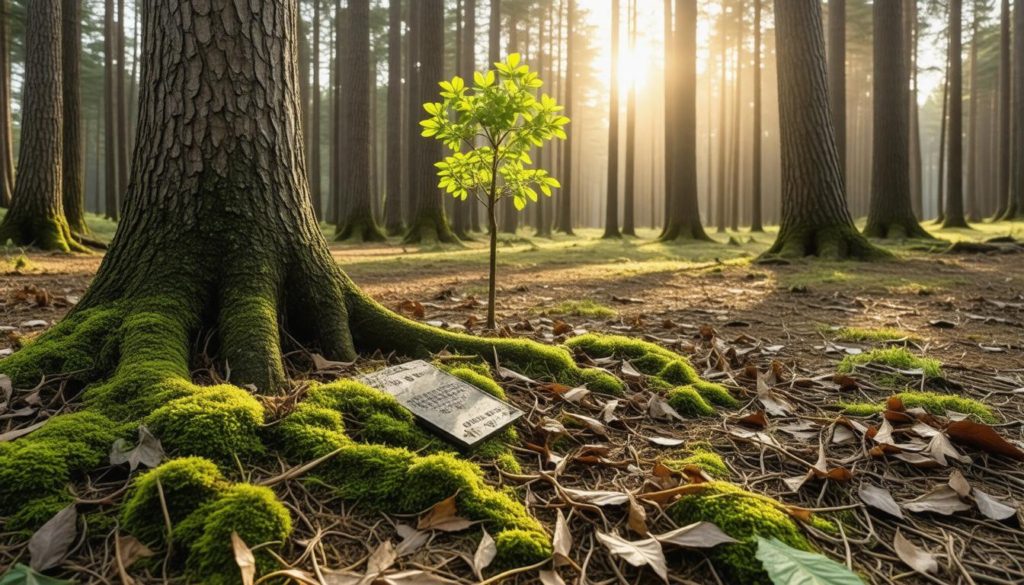
The appeal of becoming a tree when you die lies in more than just symbolism—it offers a tangible way to give back to the Earth. Unlike conventional burials that involve embalming fluids, metal caskets, or concrete vaults, this eco-friendly practice embraces nature’s own processes for decomposition and renewal.
When you opt for a tree burial, such as a cremation pod placed beneath a young sapling, your remains help foster new life rather than linger inert beneath the ground. This means your final resting place literally blooms, providing oxygen, habitat, and beauty for generations ahead.
Many find emotional comfort knowing their memory grows outward—as a living organism—rather than confined to cold stone or isolated urns. This green legacy invites family members and visitors to connect with nature directly, walking among leaves and branches rather than navigating rows of tombstones.
It redefines remembrance by blending mourning with hopeful renewal: each leaf whispers a story, each root anchors a memory. This fundamentally shifts what it means to have a lasting memorial.
Practically speaking, becoming a tree involves placing ashes—or in some emerging services, biodegradable pods containing remains—into the soil where young trees take root. These pods are made from organic materials designed to dissolve safely in months, releasing nutrients in a form friendly to plants.
However, because cremated ashes have high pH levels that can sometimes inhibit growth, these systems often include natural buffers such as compost or biochar to protect the developing roots. This kind of thoughtful design ensures that the tree not only survives but thrives.
When considering this choice, it is important to select species of trees well-suited for your local climate and soil conditions. Oaks, maples, pines, and birches are popular options because they tend to live long lives—often 50 years or more—and can sequester significant amounts of carbon over time.
Planting native species also encourages local wildlife and helps maintain biodiversity. Consulting eco-conscious memorial providers like Countryside Memorial Park can help ensure your green burial aligns with both ecological factors and personal wishes.
| Aspect | Description | Impact |
|---|---|---|
| Biodegradable Pod | Breaks down within 6-12 months | Releases nutrients gradually |
| Tree Growth Rate | 1–2 feet per year (species-dependent) | Provides shade and habitat |
| Carbon Sequestration | 10–48 pounds CO2 absorbed yearly | Contributes to climate mitigation |
| Soil Nutrient Enrichment | Nitrogen increases by 15-25% first year | Supports surrounding plants |
Embracing the idea of becoming a tree also intertwines deeply with growing environmental awareness about reducing carbon footprints—even in death.
Though often promoted as an environmentally friendly alternative, it’s crucial to understand nuances: traditional cremation produces substantial carbon emissions—roughly equivalent to driving over 600 miles by car—which can counteract some ecological benefits.
Yet alternatives like human composting outperform tree pod burials in sustainability by transforming the entire body gently into rich soil without harmful emissions. Nevertheless, planting memorial trees remains a powerful symbolic act connecting personal legacy with Earth’s ongoing life cycle.
What sets choosing a tree burial apart is its ethos of returning fully to nature—not merely disposing of remains but actively fostering life beyond death. It encourages us all to reconsider our relationship with mortality and landscape.
By making this conscious decision, you participate in an emerging tradition that honors death through ecological stewardship, builds community around living memorials, and supports conservation efforts that extend beyond individual gravesites into woodland preservation.
If this vision resonates with you or your family’s values, partnering with providers like Countryside Memorial Park can help facilitate thoughtful planning tailored to both your spiritual beliefs and environmental principles. They offer guidance on selecting tree species native to your region and integrate these living memorials respectfully within natural settings so your legacy remains vibrant season after season.
“Choosing to become a tree is more than leaving behind ashes; it’s inviting life itself to carry forward your story.”
Understanding the motivations and methods behind becoming a tree opens the door to appreciating the many advantages this practice offers not just personally but ecologically. Exploring these benefits reveals why so many turn toward living memorials as meaningful alternatives.
The Benefits of Tree Burial
First and foremost, tree burial significantly reduces environmental harm compared to traditional burial methods. Consider the staggering statistics: each year in the United States alone, conventional burials consume approximately 4.3 million gallons of embalming fluid, 1.6 million tons of concrete, and 64,500 tons of steel. These materials aren’t just expensive—they have a measurable carbon footprint and introduce toxic chemicals, like formaldehyde from embalming fluids, into the earth.
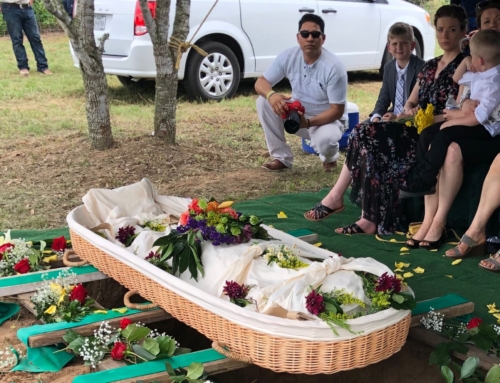
Choosing tree burial means bypassing all that. Instead of sealed caskets and concrete vaults that create barriers against natural decay, tree burials embrace nature’s cycles by returning remains to the soil beneath a growing tree.
This approach leads to a remarkable shrinking of land use as well. Unlike sprawling cemeteries dotted with markers and paved walkways, tree burial sites allow for densely planted trees without disturbing the natural landscape. In fact, these sites often see up to a 70% reduction in land usage when compared to traditional cemeteries.
What’s more fascinating is how these burial grounds contribute positively to biodiversity; studies show a 20-30% increase in native flora and fauna, creating thriving habitats for local wildlife where once there was only manicured lawn or cement.
Beyond conserving resources and land, trees themselves play a crucial role in offsetting carbon emissions. A single tree planted through a tree burial can sequester around 48 pounds (22 kg) of CO2 annually. Over decades, this adds up—slowly but surely reducing your ecological footprint even after death.
This intertwining of life and legacy offers comfort: you don’t simply fade away but literally become part of a living organism that sustains future generations.
From a practical perspective, tree burial also demands less maintenance than traditional gravesites. Without tombstones to clean or lawns to mow in the typical sense, these natural memorials peacefully evolve with the seasons—an ever-changing monument shaped by nature rather than human hands.
As one eco-conscious family reflected, “Knowing that our loved one’s resting place is not only peaceful but actively contributing to the environment makes saying goodbye feel like planting hope.”
Still, while environmental advantages are compelling, there’s also a deeply personal side to choosing tree burial that resonates with many people seeking meaningful remembrance.
Tree burials redefine memorialization by connecting loved ones back to the earth in an intimate way. Rather than distant marble stones or isolated plots, families visiting their departed can return to the rooted presence of a tree—a living, breathing entity that grows and changes year after year.
This symbolizes renewal and continuity beyond human life spans in tangible form.
Moreover, the absence of ostentatious grave markers aligns with modern values emphasizing simplicity and respect for nature’s rhythms. It allows nature itself—the rustle of leaves, the songs of birds—to become part of the remembrance experience instead of cold monuments separating us from what we mourn.
Other practical benefits include:
- Lower cost compared to traditional burials involving caskets and vaults.
- No need for harmful embalming chemicals.
- More personalized choices: families can select species meaningful to them when planting trees.
- Conservation benefits: increasingly popular arrangement with conservation trusts preserving forested lands.
| Aspect | Traditional Burial | Tree Burial |
|---|---|---|
| Embalming Fluid Use | Millions of gallons annually | None |
| Use of Concrete & Steel | High (vaults/caskets) | None (biodegradable pods or shrouds) |
| Land Occupation | Large plots requiring maintenance | Compact groves replenishing habitat |
| Environmental Impact | Significant pollution & waste | Carbon sequestration & biodiversity boost |
| Memorial Style | Tombstones or monuments | Living trees as natural memorials |
Ultimately, tree burial offers an elegant fusion of ecology and emotion—allowing individuals not just to rest but to regenerate within the very ecosystems they cherished. By opting for this method through trusted providers like Countryside Memorial Park—who prioritize sustainable practices—you ensure your legacy is both environmentally responsible and emotionally resonant.
Understanding how these living memorials come to be naturally encourages us next to explore the biodegradable pods and urns that play a critical role in this life-giving transformation.
The Biodegradable Pod and Urn Explained
At the center of tree burial is an elegantly simple idea: to return to the earth in a way that nourishes new life. This is accomplished through biodegradable pods and urns specially designed to break down naturally as they release nourishment into the soil. These pods are typically crafted from organic materials like cornstarch, cellulose, or other plant fibers, chosen precisely because they decompose without leaving behind harmful residues.
When you place a loved one’s ashes—or eventually, whole body pods as this technology develops—inside these materials, you’re allowing nature to do what it does best: cycle nutrients back into the ecosystem. The pod doesn’t act merely as a container but as a bridge between human remains and the budding tree above it.
What’s fascinating is how thoughtfully these urns address the chemistry involved; cremated ash tends to have a high pH level, which can be too alkaline for many tree species to flourish. To counter this, urns are often mixed with soil amendments or additives designed to neutralize alkalinity and foster a rich environment perfect for root growth.
This balance is crucial. Without it, the sapling may struggle or fail entirely, and the symbolic promise of life rising from legacy would be lost. So these details matter—not just for the health of a single tree but for honoring those who chose this path with intention and care.
You might wonder about choosing the right tree for such a meaningful tribute. This is where companies like Capsula Mundi and 8BillionTrees come into play, offering pods tailored by shape, size, and function depending on which tree species you select. Whether it’s an oak symbolizing strength or a serene weeping willow reflecting grace, each design seeks to maximize success by catering to specific regional climates and soil conditions.
“It’s not just about planting a tree—it’s about creating a living memorial that thrives,” says industry experts at Countryside Memorial Park, which embraces these eco-friendly alternatives within their offerings.
The entire process—from pod to planted sapling—blends science with symbolism. It invites families to participate not only in remembrance but in renewal, grounding their grief in tangible growth. More than simply burying ashes in the earth, it’s about becoming part of a wider natural story.
With a clear understanding of how biodegradable pods work to nurture both tree and memory, we can now turn our attention to the heartfelt ceremony of planting—a moment that transforms intent into living tribute.
Planting Your Memorial Tree
Planting a memorial tree is both a deeply symbolic and practical act. It ties the memory of a loved one directly to new life growing from the earth, creating a living tribute that evolves through seasons and years. Often, families choose to gather during this moment, making it a shared experience that brings comfort and renewal. This is why every step matters—from picking the spot to nurturing the sapling afterward.
Step I – Selecting the Location
Choosing where to plant your memorial tree goes beyond just finding open soil. The site should suit the species you’ve selected; for example, an oak needs more sun and well-drained soil, while birch can tolerate a bit more moisture and partial shade. Beyond ecological factors, consider places that hold personal significance—perhaps near a favorite walking path or where cherished memories were made. This connection strengthens the meaning of your living memorial.
Take time to observe seasonal light patterns and soil condition before digging. Proximity to water sources and protection from strong winds can also influence survival rates. Remember, planting in public or private land may require permission, so always check local regulations to avoid complications.
Step II – Preparing the Ground
Digging for your memorial tree involves more than making a hole. The opening should be twice as wide as the root ball or pod diameter and equal in depth to allow roots space to spread naturally without suffocation. Loosening the soil around the hole lets roots settle easily and helps with drainage, preventing rot.
Avoid compacting soil tightly when backfilling around the pod or urn. Although stability is important, overly firm soil can make it hard for roots to establish and absorb nutrients critically needed for early growth.
Step III – Inserting the Pod or Urn
Handling the biodegradable pod or urn carefully while placing it ensures that its contents stay intact and positioned correctly. Settle it gently in the middle of your prepared hole—not too deep or shallow—to balance moisture retention without risking waterlogging or air exposure. The goal is for decomposition materials to gradually feed into the surrounding soil, enriching it without overwhelming young roots.
Ensuring good contact between the pod and surrounding soil encourages beneficial microbial activity, which helps break down remains naturally over time, turning them into nourishment for your tree.
Step IV – Covering and Watering
Once inserted, cover your pod with nutrient-rich soil—ideally mixed with organic compost if available—to give your sapling its best start. Adding mulch on top helps retain moisture, reduces weeds, and moderates temperature fluctuations around roots.
Water generously right after planting, providing enough to saturate but not flood the area. During the first two weeks especially, daily watering helps the sapling settle in; as months go by, you can reduce frequency but increase volume per session to encourage root expansion deeper into the ground.
Over subsequent years, consistent care—watering during dry spells and occasional fertilizing—supports strong growth. Returning regularly fosters a personal connection, transforming maintenance into a meaningful ritual of remembrance.
Key Guidelines for Planting Memorial Trees
| Aspect | Details |
|---|---|
| Optimal Planting Time | Early spring or fall when temperatures are moderate with ample rainfall |
| Suitable Species | Temperate: Oak (Quercus), Maple (Acer), Birch (Betula) |
| Tropical: Mahogany (Swietenia), Teak (Tectona), Mango (Mangifera) | |
| Arid: Mesquite (Prosopis), Palo Verde (Parkinsonia), Acacia (Acacia) | |
| Soil pH Preference | Between 6.0 and 7.5 for most trees |
| Mulch Thickness | 2 to 4 inches around base but avoid direct trunk contact |
| Survival Rate | 85–90% within first year with proper care |
| Maturity Timeline | Oaks: 20–30 years; Maples: 15–25 years |
“Planting a memorial tree offers more than beauty—it creates an enduring symbol of life’s continuity.”
Approaching this process with patience and respect turns a simple planting into an ongoing celebration of those who have passed on—an enduring connection woven through roots, leaves, and branches reaching skyward for generations ahead.
Understanding this vital connection between life and legacy prepares us to uncover how natural decomposition underpins this transformative journey from earth back into flourishing forest life.
How Decomposition Transforms to a Tree
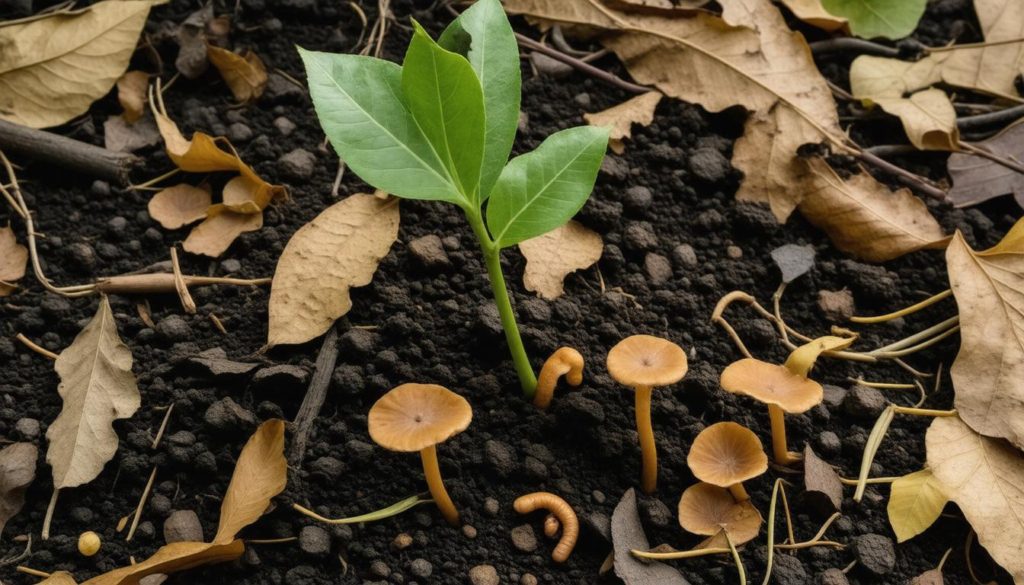
When we talk about becoming a tree after death, it really comes down to what happens at the microscopic level: decomposition. This process is nature’s alchemy—where once living material gently breaks down and melds back into the earth. The biodegradable pod that holds ashes or cremated remains slowly disintegrates, allowing nutrients to seep into the soil around the tree’s roots.
It’s important to understand that decomposition isn’t just about decay but about releasing valuable nutrients like nitrogen, phosphorus, and potassium—essential elements for plant growth. These nutrients nourish the soil microbes—the tiny workers who break down organic matter and convert it into forms plants can absorb. Without that microbial community, trees wouldn’t have access to the nourishment they need to grow healthy and strong.
The remains inside the pod contribute some nutrients, but the bulk of what feeds the tree actually comes from the surrounding soil and its rich biological activity. In fact, moisture levels, soil pH (ideally between 6.0 and 7.5), and temperature all play crucial roles in how rapidly and effectively this transformation happens. If these conditions are right, fungal networks and bacteria multiply, creating an environment perfect for encouraging root expansion.
This intricate underground interaction sets off a cascade of natural processes supporting growth.
As roots expand outward, they actively seek out water, minerals, and oxygen—all while absorbing those nutrients released by the decomposing pod. This uptake not only feeds the tree but also symbolically integrates the deceased into its living structure, making it quite literal when we say someone becomes part of a growing tree.
The transformational journey from human remains into nutrient-rich soil is roughly a few weeks to months depending on method and conditions; human composting accelerates this with controlled environments ensuring rapid yet gentle breakdown using renewable energy sources. On the other hand, simpler biodegradable urns rely more heavily on outdoor conditions.
For perspective:
| Nutrient | Approximate Percentage Released by Dry Weight | Role in Tree Growth |
|---|---|---|
| Nitrogen (N) | 3-5% | Vital for leaf development and photosynthesis |
| Phosphorus (P) | 1-2% | Supports root growth and flower production |
| Potassium (K) | 0.5-1% | Improves overall plant health and drought resistance |
When families choose eco-friendly burial options like those offered through Countryside Memorial Park, they are investing in this natural cycle—supporting sustainable growth instead of leaving behind synthetic materials or fuel-based cremation emissions.
“The idea that life continues beyond our physical existence, nurtured by the earth itself, connects us profoundly to both past and future generations,” emphasizes green burial advocates.
This synergy between decomposition and new life encourages restoration of natural habitats through improved soil quality and carbon sequestration—a personal legacy that extends its impact beyond individual remembrance. Exploring other sustainable end-of-life choices reveals even more ways to honor this connection with nature.
Alternatives to Traditional Burial
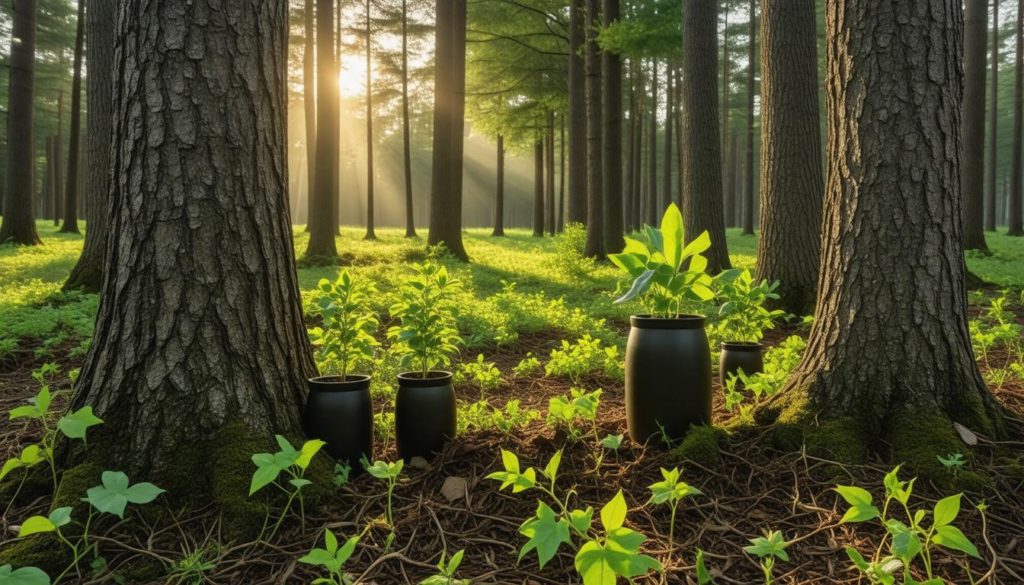
The desire to honor our loved ones in ways that respect both their memory and the earth has given rise to several meaningful alternatives to conventional burials—and they go well beyond planting a tree. These options embrace sustainability, affordability, and often a gentler impact on the environment, offering families thoughtful ways to say goodbye.
- Human Composting — This method accelerates natural decomposition through carefully managed conditions, turning a body into rich soil within weeks. It’s a process that mimics nature but on a schedule designed for safekeeping and efficiency. This compost can then be used in gardens or green spaces, fostering new life in a deeply symbolic way.
- Aquamation — Known also as water cremation or alkaline hydrolysis, aquamation uses water and alkali chemicals under pressure and heat to break down the body gently but thoroughly. Compared to traditional flame cremation, it consumes about 90% less energy and releases no harmful air pollutants. The result is mineral ash returned to the family, much like standard cremation, but with a vastly reduced environmental footprint.
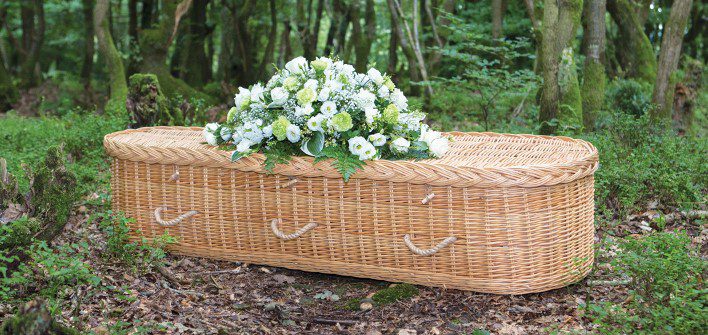
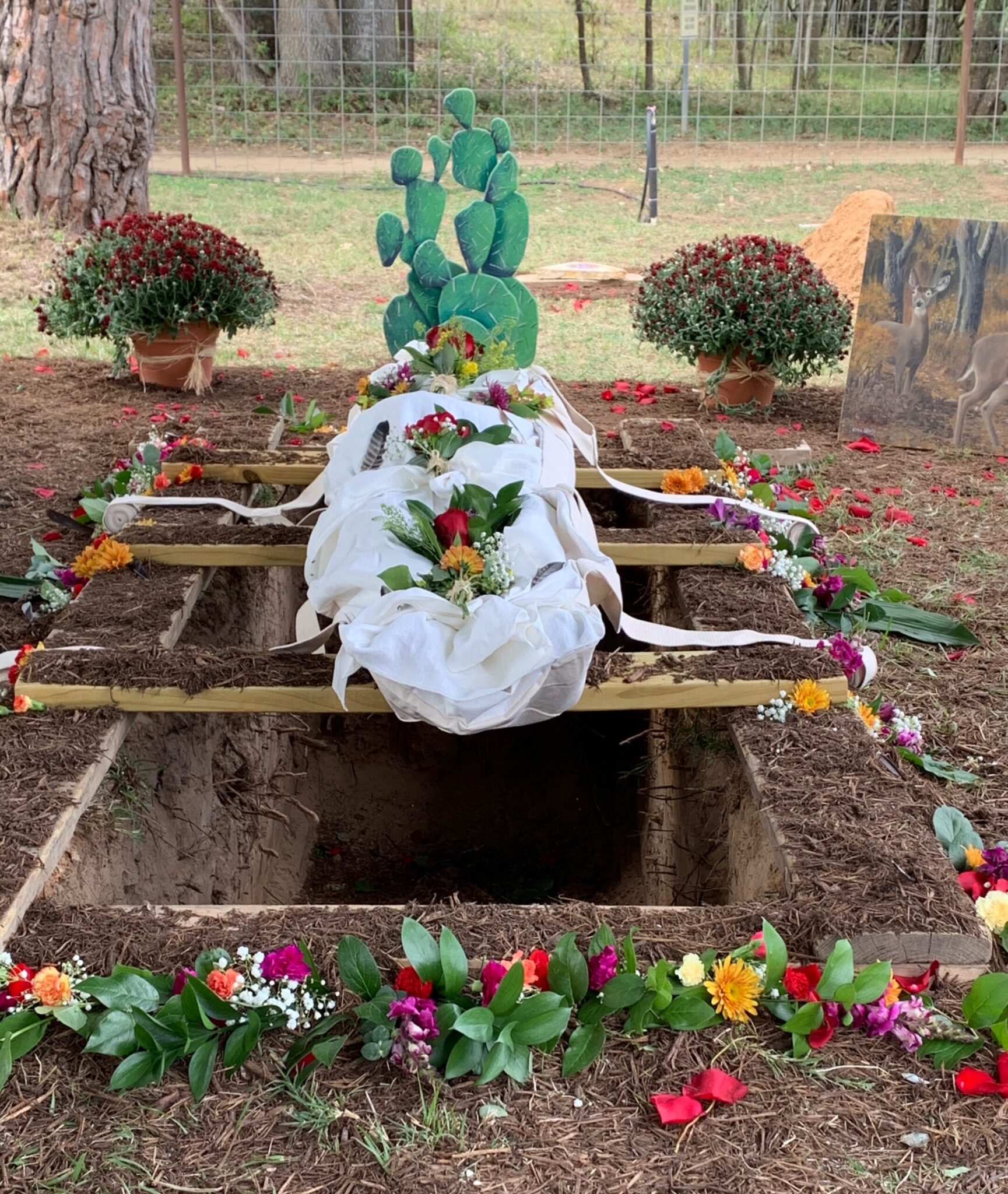
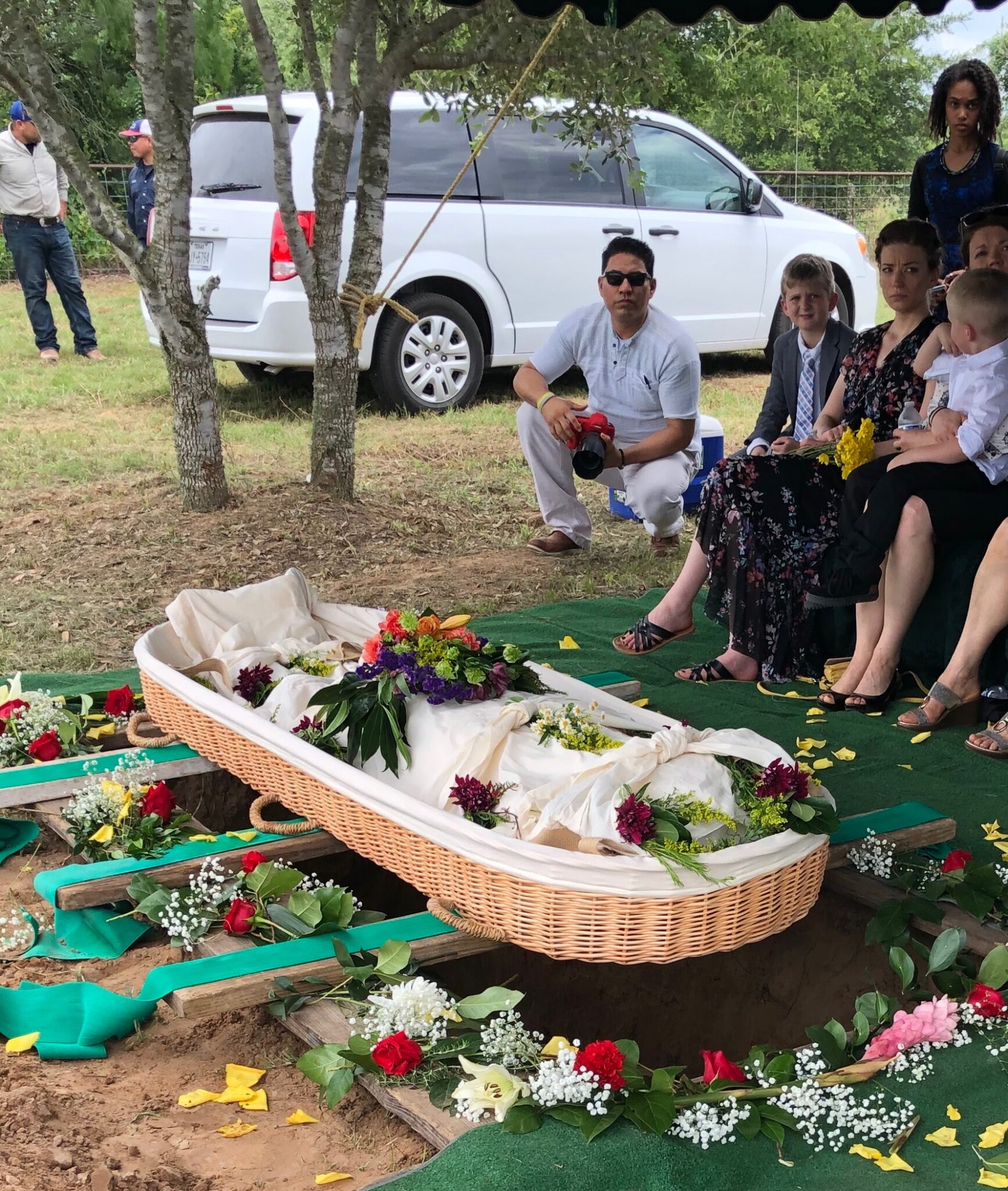
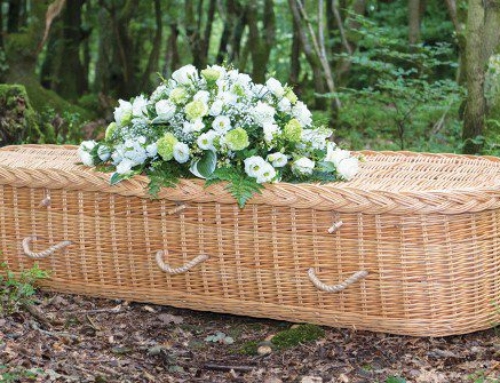
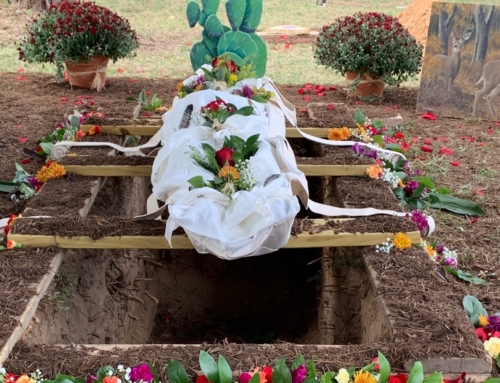
- Green Burial — This option avoids chemical preservatives and non-biodegradable materials entirely, using simple shrouds or wooden coffins that decompose naturally in designated natural cemeteries or preserves. Without concrete vaults or elaborate markers, green burials allow for the land to remain wild or be restored—an ongoing act of environmental stewardship.
Each alternative brings unique advantages but also logistical considerations to weigh. For example, human composting sites are still limited by state regulations and geography, while aquamation availability is expanding steadily but not universal yet. Green burial requires locating specialized cemeteries dedicated to conservation principles. Beyond legalities, your choice might hinge on how much interaction you want—for instance, whether you desire a place to visit regularly or prefer memorializing through art or trees.
Choosing an eco-friendly option is as much about aligning with personal values as it is about practicalities like cost and accessibility.
At Countryside Memorial Park, we understand these nuances deeply. Our dedicated team offers multiple eco-friendly burial choices along with personalized planning support to ensure your decision honors your wishes and reflects your commitment to the planet’s future. By exploring all these thoughtful alternatives early on, you can ease difficult decisions when the time comes while creating meaningful legacies that resonate far beyond life itself.
With such a spectrum of green options—each with its story and impact—you can find a path that truly mirrors the life being remembered while nurturing new growth for generations ahead.
Exploring these modern burial choices allows us not only to honor those who have passed but also to contribute positively to the earth they cherished in life. Embracing eco-friendly memorial options ensures a lasting legacy that nurtures both memory and nature together.
 Chrysta Bell Zucht is an internationally known Actor, Musician and the Steward of Countryside Memorial Park. She has always shared her father’s passion for Natural Burials, and upon his unexpected death in 2009 had the soul-satisfying experience of giving him the green burial he had always wanted. She remains deeply dedicated to Countryside and has vowed to continue to offer it as a serene, peaceful place for eco-conscious families to bury, memorialize and celebrate their Beloveds.
 Music adds a memorable and deeply moving element to any ceremony, especially if it is music that your Loved One loved.