
Green, Natural Burial vs. the Typical “American Way of Death”
For thousands of years, green burial customs have been used to honor the dead and heal the living. The great religious traditions that gave us our end-of-life rituals invited us to find solace in the fact that we are all part of the same natural cycle — birth, death, decay, and rebirth. Then something changed.
Green, natural burials fell out of favor during the Civil War, when the Union Army needed to transport slain soldiers from the battlefield back home. Dr. Thomas Holmes developed a technique involving the draining of a corpse’s blood and replacing it with arsenic-based embalming fluid for preservation.
Manufacturers of embalming fluid went on to establish some of the nation’s first mortuary schools, making embalming a cornerstone of the American way of death. Other products followed — the steel coffin, the concrete burial vault — and an industry was born.
The Environmental Impact: Conventional Burial by the Numbers
Each year, conventional funeral homes across America bury coffins, vaults, and embalming fluids — none of which are required by law in any state. “Death Care” in America has become a $20+ billion industry, and a wasteful, toxic one at that. None of this is part of a green, natural burial.
Each year in the U.S., conventional burials use:
- Approximately 827,000 gallons of embalming fluid containing formaldehyde — a substance the World Health Organization classifies as a known human carcinogen linked to brain cancer and leukemia. This fluid leaches into surrounding soil and groundwater over time.
- 30 million board feet of hardwood, and enough steel for caskets and vaults equivalent to the amount used to build the Golden Gate Bridge.
- 1.6 million tons of reinforced concrete for burial vaults — enough to construct a two-lane highway from New York to Detroit.
- 2,700 tons of copper and bronze.
Traditional cemeteries also depend on polluting fertilizers and pesticides to maintain their manicured lawns, adding yet another layer of environmental cost
What About Cremation?
Cremation is often seen as the more environmentally friendly option, and its popularity has grown dramatically. According to the National Funeral Directors Association (NFDA), the U.S. cremation rate reached 63.4% in 2025 — more than double the burial rate of 31.6% — and is projected to climb to 82.3% by 2045. Much of this growth is driven by cost savings rather than environmental concern.
But cremation is not as eco-friendly as many believe. The incineration process uses enormous amounts of energy, emits a range of toxins, and permanently destroys the nutrients the body contains — nutrients that could otherwise be returned to the earth
The environmental costs of cremation:
- A single cremation generates approximately 534 pounds of CO₂ — the equivalent of a 500-mile car trip or powering a three-bedroom home for a week. Across all U.S. cremations annually, that totals roughly 360,000 metric tons of CO₂ released into the atmosphere each year.
- Each cremation releases 2 to 4 grams of mercury vapor from dental amalgam fillings. With nearly 2 million cremations performed in the U.S. annually, this adds up to thousands of pounds of mercury entering the air, soil, and water each year.
- Cremation also emits nitrogen oxides, sulfur dioxide, carbon monoxide, and fine particulate matter, contributing to local air quality problems.
- Most significantly, cremation removes the body entirely from the cycle of nature — preventing it from nourishing new life or returning its nutrients to the soil.
The Case for Green, Natural Burial
Green burial is a safe, legal practice that uses biodegradable containers — a simple shroud or natural-fiber coffin — and avoids embalming fluids and concrete vaults entirely. It is death nourishing new life.
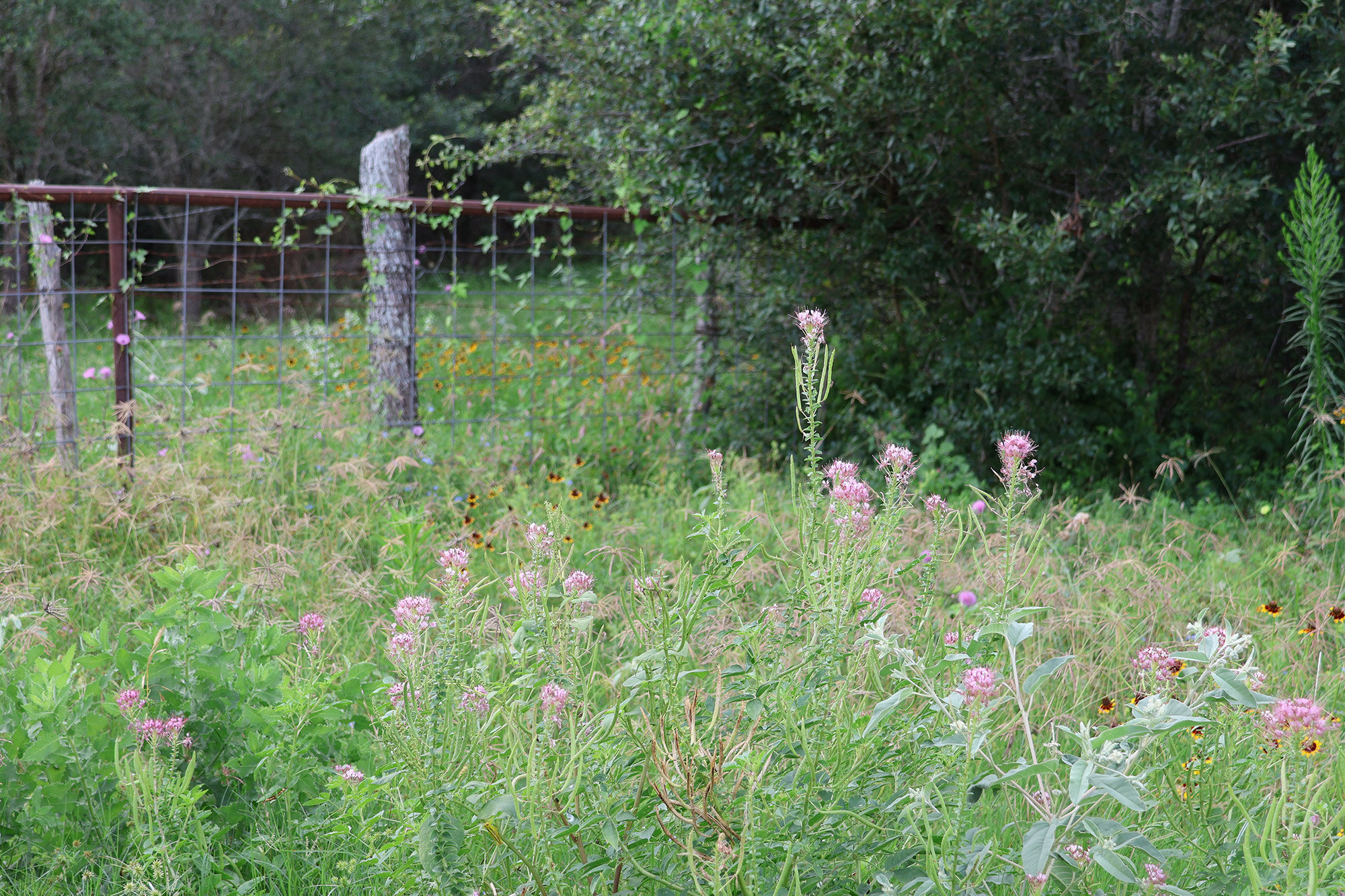
Not only does green burial protect the land — it actively renews it. The burial itself enriches the soil, creating verdant natural spaces where families can gather to commemorate their loved ones in a living, growing landscape. Green burial ground is sacred, hallowed ground — and it grows more beautiful with time.
Consumer interest is rising rapidly. A 2025 survey found that over 80% of Americans would consider a green burial if one were available nearby, and 68% of Americans now factor environmental impact into their funeral planning. Today, more than 470 certified green burial sites operate across North America.
Green burial also costs significantly less. The average traditional funeral runs approximately $7,848 — not including vault or cemetery plot fees, which can add several thousand dollars more. Natural burials typically cost $4,000–$5,000, and families can often save up to 50% overall.
Advantages of Green, Natural Burial
Burial in a beautiful, natural setting leaves a legacy of land conservation in honor of those we love.
- Simplicity: Wrapping the body in a shroud or placing it in a biodegradable coffin is a gentle, natural, and deeply meaningful act.
- Lower Cost: No embalming, no fancy casket, no concrete vault — and no expensive cemetery infrastructure to maintain.
- Conserves Natural Resources: No fuel, concrete, steel, or copper is used. Ever.
- Eliminates Hazardous Chemicals: No toxic formaldehyde is introduced into the ground. Ever.
- Preserves and Restores Natural Areas: Natural burials nourish native trees, shrubs, wildflowers, birds, bees, and all of nature. A natural cemetery like Countryside Memorial Park goes further — using a perpetual conservation easement to legally protect the land from all future development, preserving it as wild, open space forever.
- Participation in the Sacred Cycle of Life: Green burial offers what no conventional burial can — the ability to return to the earth completely, becoming part of something living and enduring.
 Chrysta Bell Zucht is an internationally known Actor, Musician and the Steward of Countryside Memorial Park. She has always shared her father’s passion for Natural Burials, and upon his unexpected death in 2009 had the soul-satisfying experience of giving him the green burial he had always wanted. She remains deeply dedicated to Countryside and has vowed to continue to offer it as a serene, peaceful place for eco-conscious families to bury, memorialize and celebrate their Beloveds.
 Music adds a memorable and deeply moving element to any ceremony, especially if it is music that your Loved One loved.